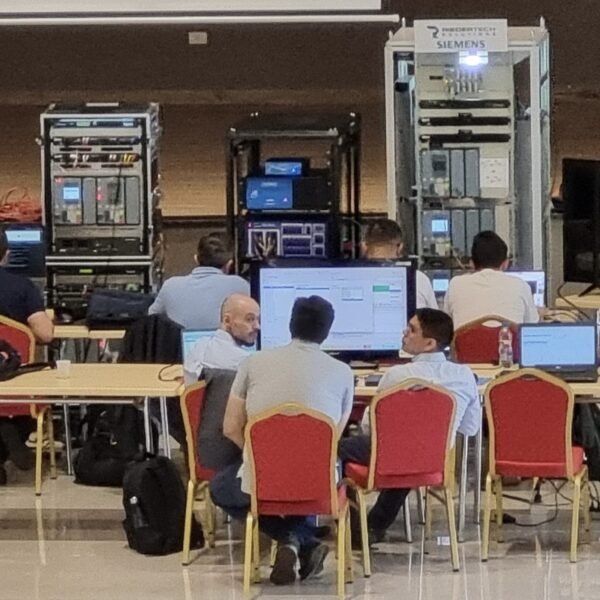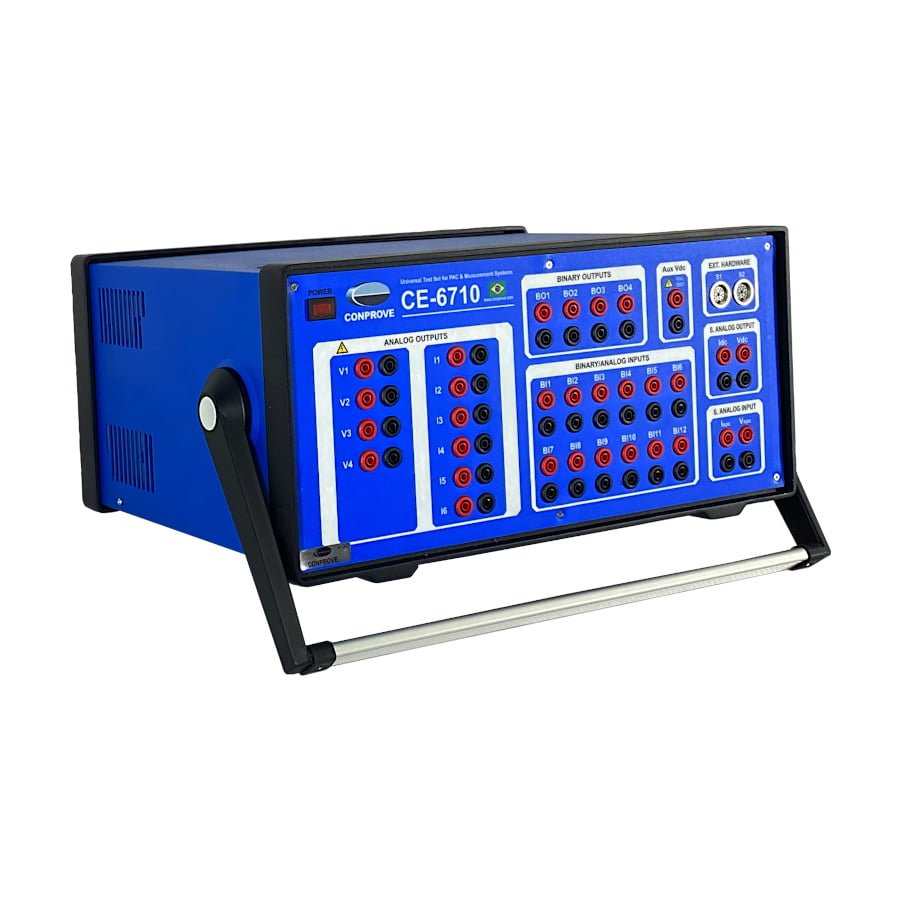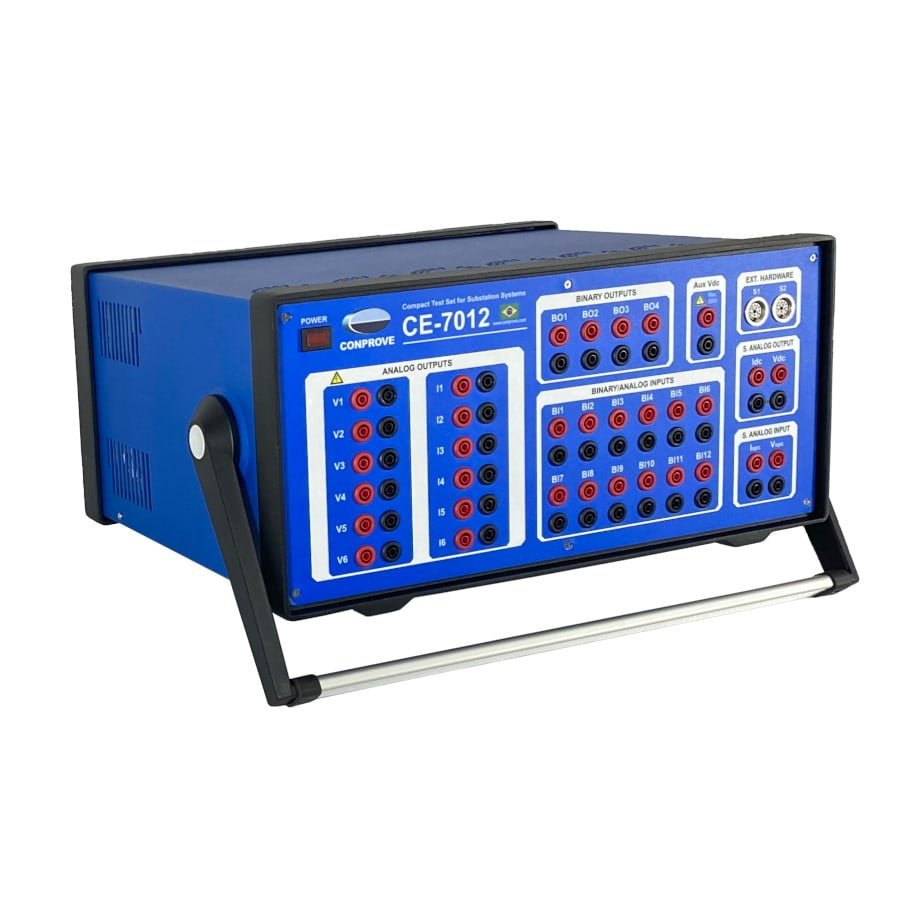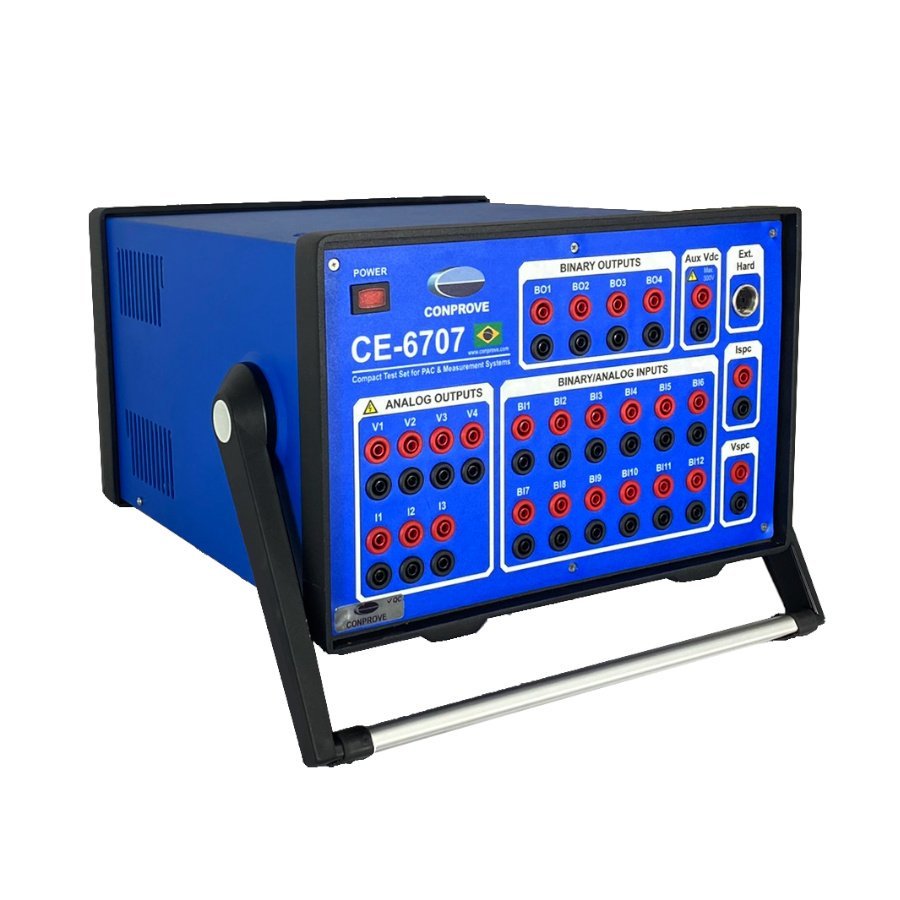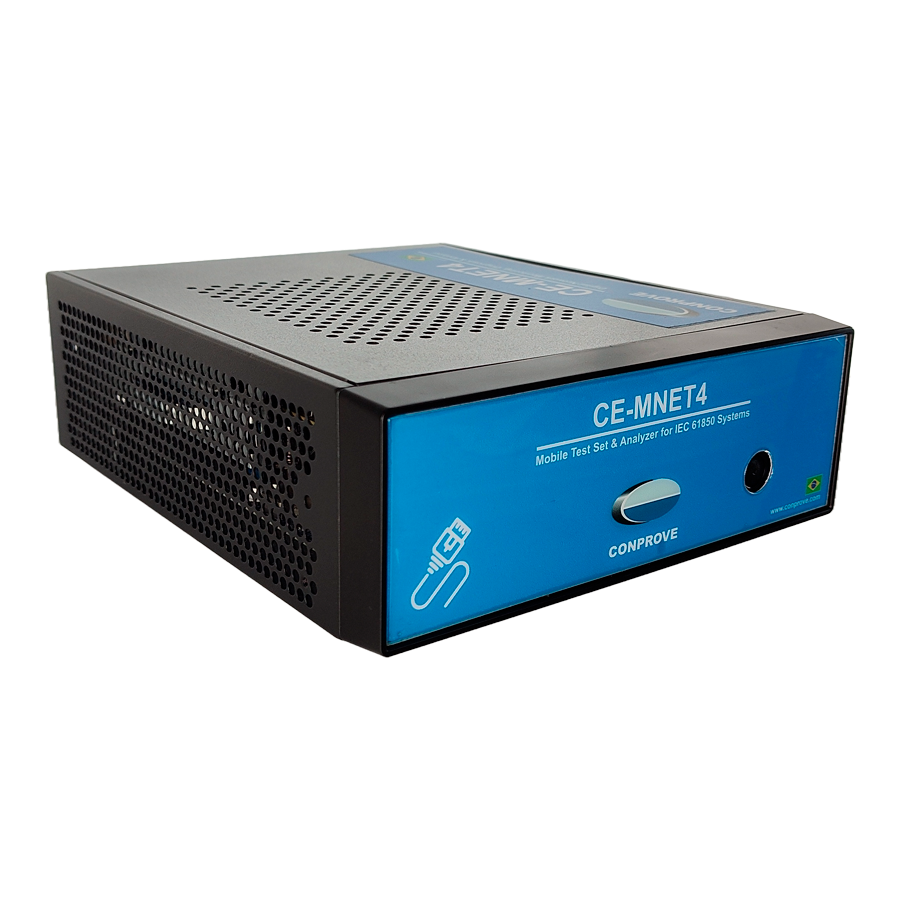






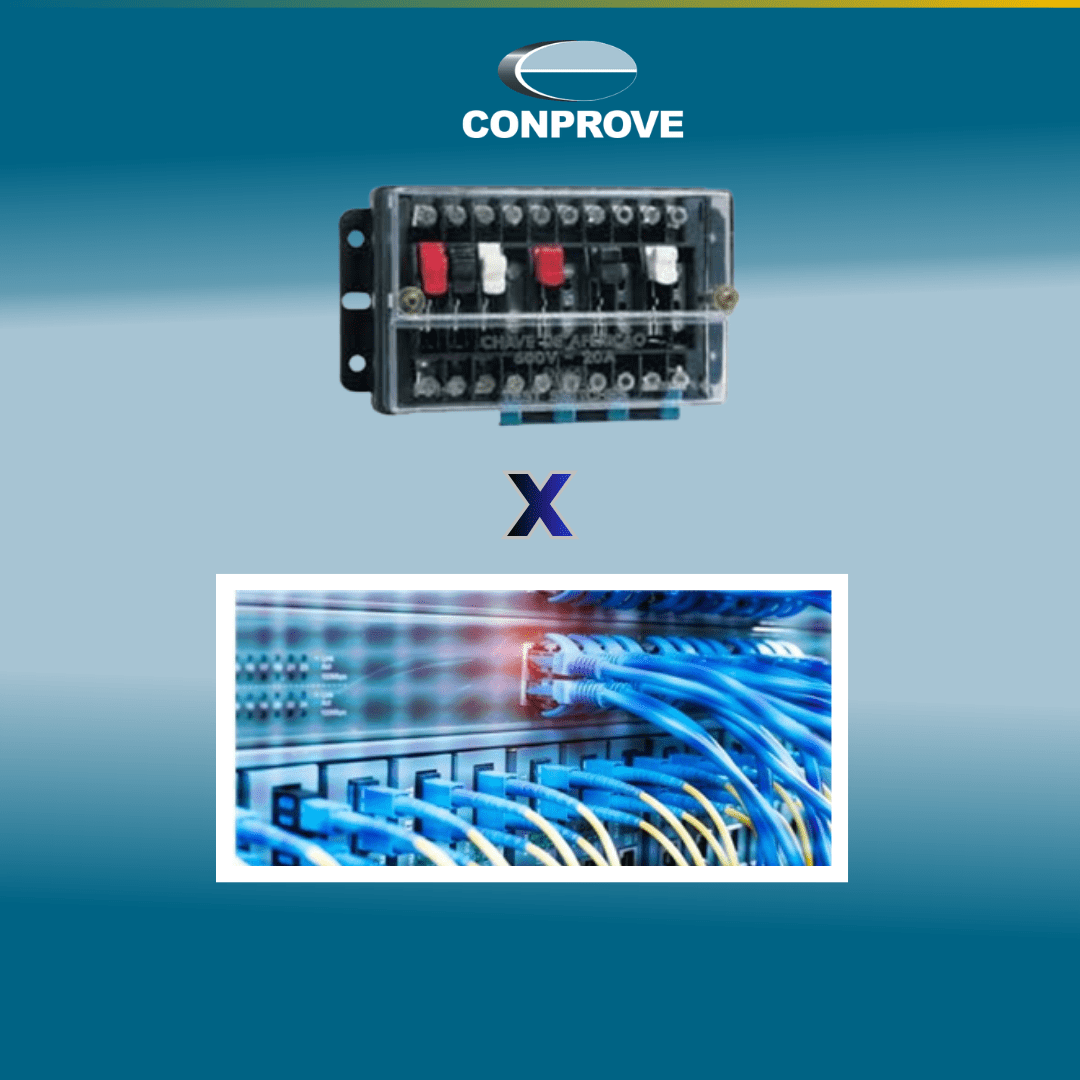
The evolution of digital substations has brought about a profound change in the way protection and automation tests are performed. While traditional methods, such as calibration keys and isolated network tests, previously predominated, the IEC 61850 standard introduced a new paradigm based on data communication.
What has changed in practice?
In traditional methods:
• Tests did not involve the communication network;
• Validation was predominantly electrical and local.
With IEC 61850:
• Specific tools replace the calibration key;
• Tests now use the substation’s own data network;
• GOOSE Frames and Sampled Values become part of the validation process.
This means that commissioning and maintenance are no longer just physical signal checks, but also include the behavior of digital communication, a critical point in modern substations.
Why is this important?
Because faults today may not be in the relay or wiring, but rather:
• in message signing,
• in data quality,
• or in the IED configuration.
Those who work with protection, automation, and control need to master not only the protection logic but also the communication ecosystem defined by IEC 61850.
In the next post, we will delve into one of the most important features for safe testing: the IED simulation mode.