




Fault Location and Protection by Traveling Waves
What are Traveling Waves (TW) and how can they be used in fault location and protection?
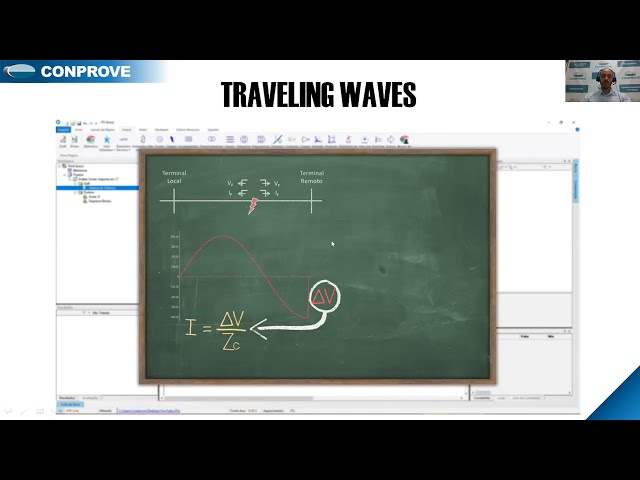
Traveling waves are electromagnetic transients generated when a sudden voltage change occurs in the network, such as during a fault. These waves travel along the transmission line at a speed very close to the speed of light, and by accurately measuring the difference between the arrival times of the wavefronts at the line terminals, the fault distance can be determined. Fault locators based on traveling waves have emerged as an alternative to impedance-based location algorithms due to their high accuracy.
With the mastery of this technology, IED manufacturers began to use it not only for fault location identification but also for tripping in protection systems, aiming to reduce operation time through ultra-high-speed (UHS) functions. Using traveling waves and incremental quantities in time-domain line protection, the TW-based protection function samples currents and voltages at a frequency of 1 MHz and operates with extremely short times. In power system protection, every millisecond counts. Faster fault clearance improves user and personnel safety, enhances system stability margins, minimizes equipment wear, improves power quality, limits property damage, and saves lives.
With all this technology, it is necessary to use testing systems capable of verifying such functionalities through voltage and current waveforms that best represent the real behavior of the power system, including the traveling waves. In this context, the use of software that performs transient condition simulations together with hardware capable of faithfully reproducing the simulated signals is essential for testing devices with this technology.
Traditional TW testing methodologies
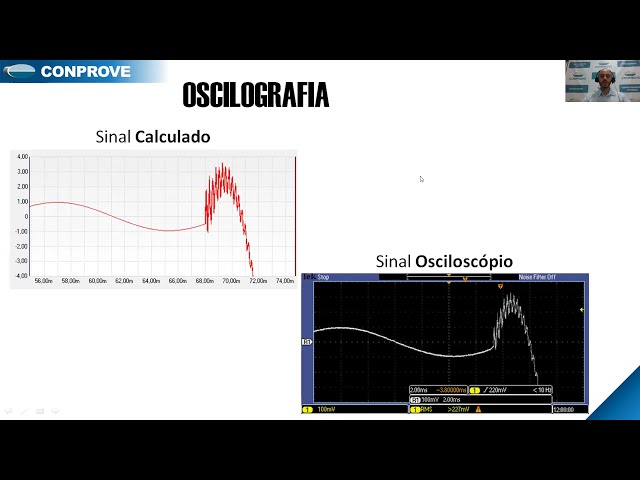
In a real fault situation, the signals measured by TW devices are complex (non-periodic signals with a wide frequency spectrum and multiple reflections). However, there are test solutions for traveling-wave-based functions that do not reproduce the complete behavior of the waveforms or the actual amplitude values. Some testers only inject an artificial voltage or current pulse to reproduce the arrival time of the traveling wave with a limited number of pulses, others apply artificial pulses added to low-frequency waveforms, and there are also real-time simulators that faithfully reproduce the waveform but only at a low level, which is not suitable for connection with devices.
Artificial pulses are the ideal scenario for a traveling-wave-based algorithm to identify wave fronts, but they are not ideal for function verification, as they do not represent the correct waveform (reflections, shape, and amplitude) and therefore do not ensure a thorough evaluation of the IED algorithm.
CONPROVE solution to innovate fault location and protection tests with TW
A system composed of software and hardware was developed, capable of accurately modeling all components of the power system, including transmission lines, and subsequently reproducing high-frequency waveforms together with the fundamental frequency at secondary levels, thus meeting all the necessary requirements for evaluating devices with traveling-wave-based algorithms.
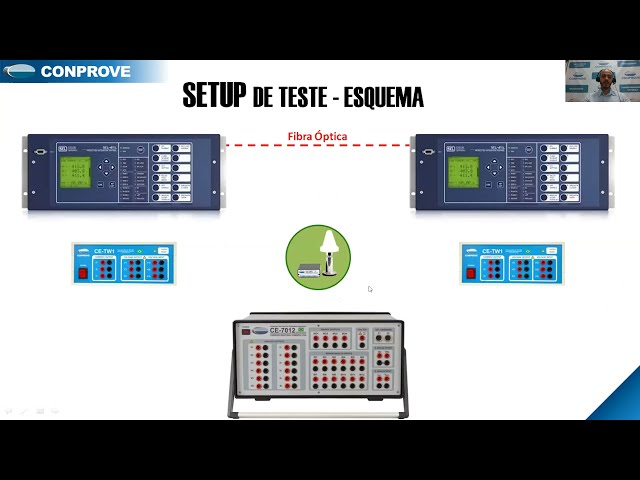
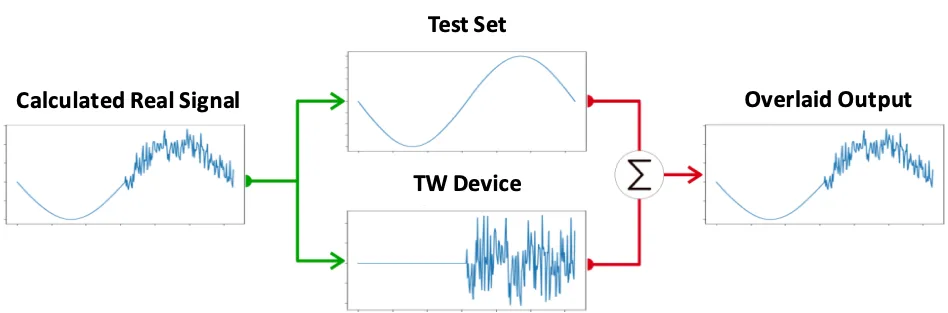
Using the principle of superposition, as shown in the figure below, it is possible to separate the signal into two frequency bands: kilohertz and megahertz. The first is reproduced by a universal test set capable of generating signals up to kHz, and the complementary signal is reproduced by a specific hardware (CE-TW1) capable of reproducing signals up to MHz.
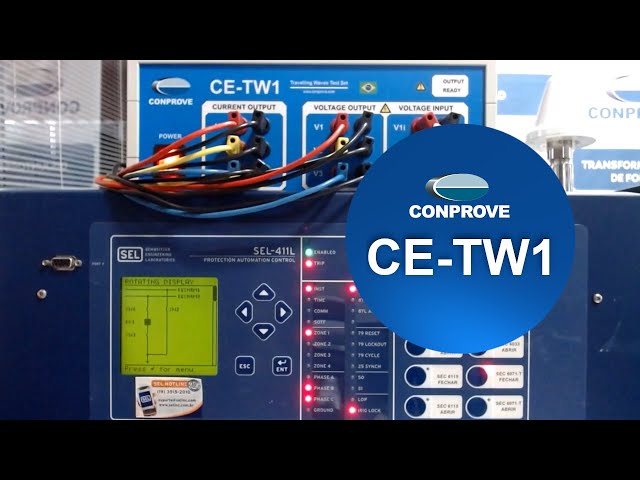
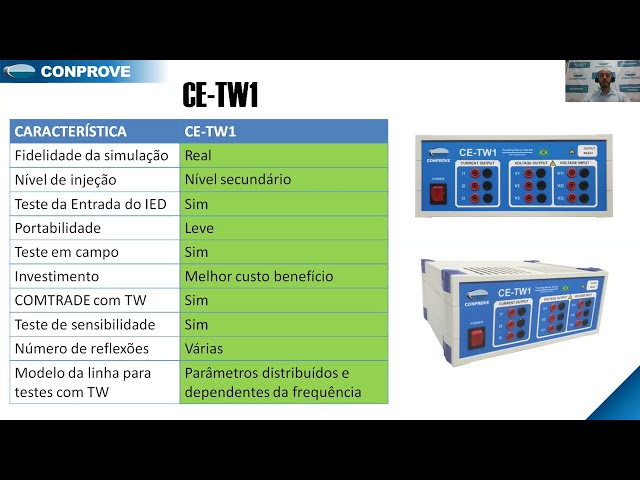
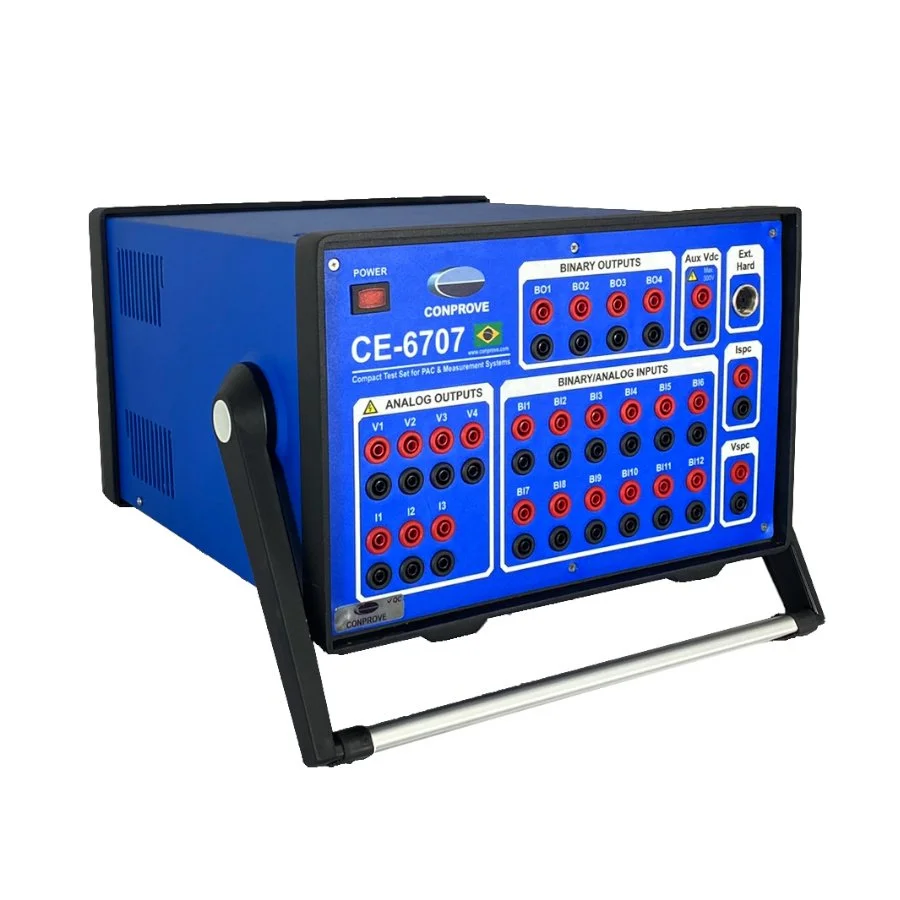
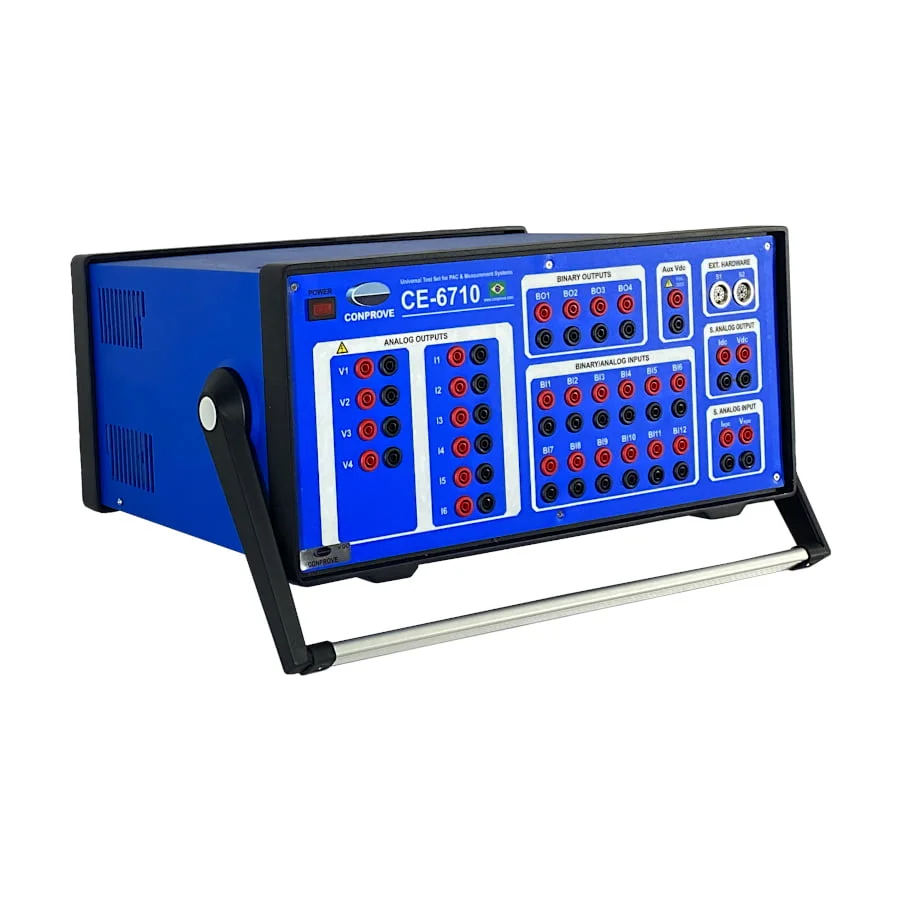
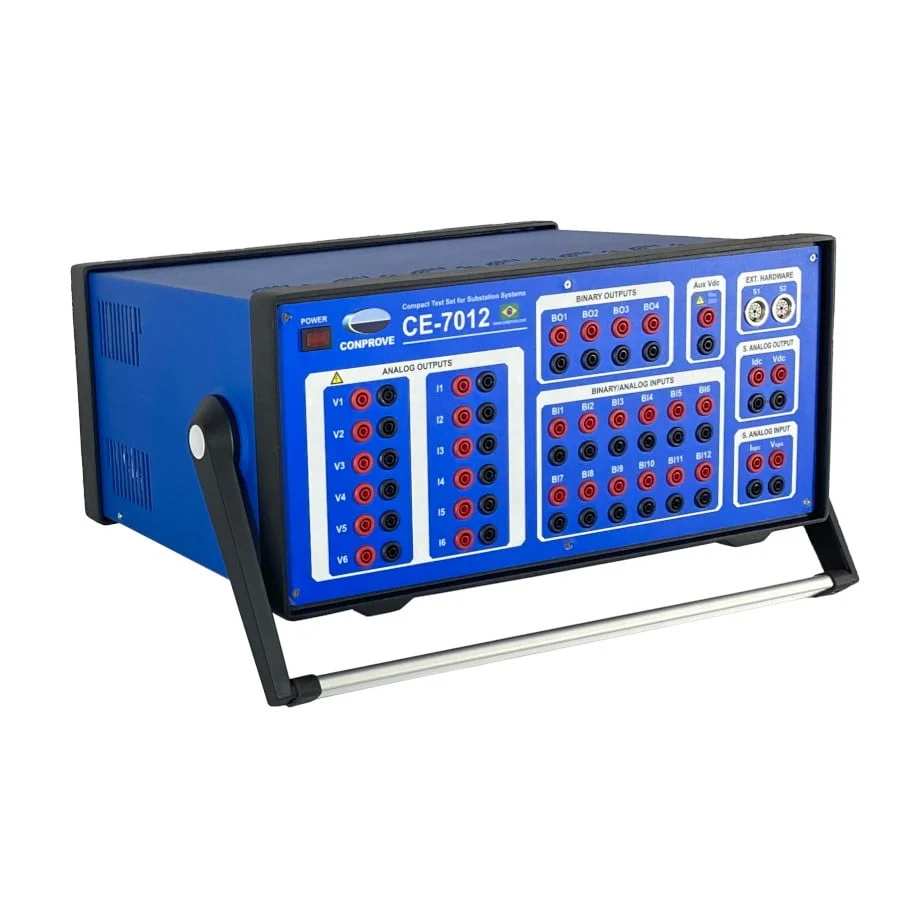
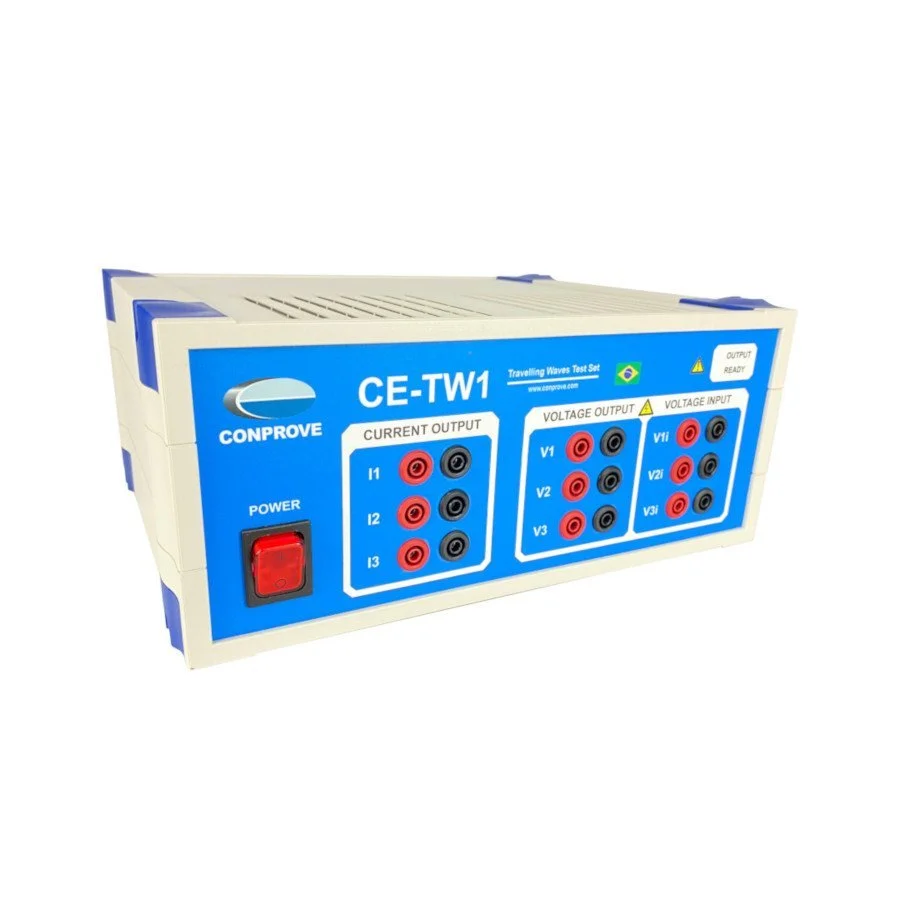
The CE-TW1 is a lightweight and portable device that, when used together with the CE-7012, CE-6710, or CE-6707 tests set, enables traveling wave testing on protection relays and disturbance recorders. It is a versatile tool capable of applying single or multi-terminal methods without the need for special adjustments or controls, as it fully reproduces the simulated voltage and current waveforms corresponding to the fault under analysis.
The CE-TW1 equipment has 6 generation channels, 3 voltage and 3 current, compatible for direct injection into the inputs of the tested devices (without the need for bypasses or special setups), making tests faster, more practical, and more reliable. Each channel is capable of faithfully reproducing the desired waveforms over a wide frequency range, meeting the requirements of the test.
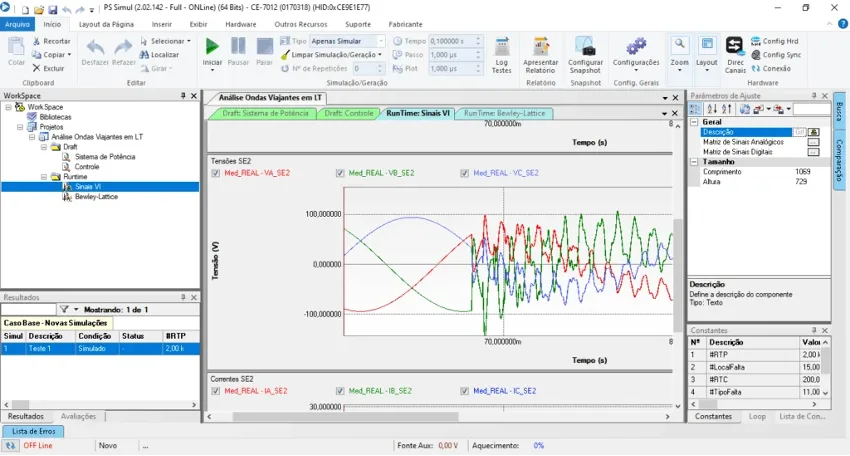
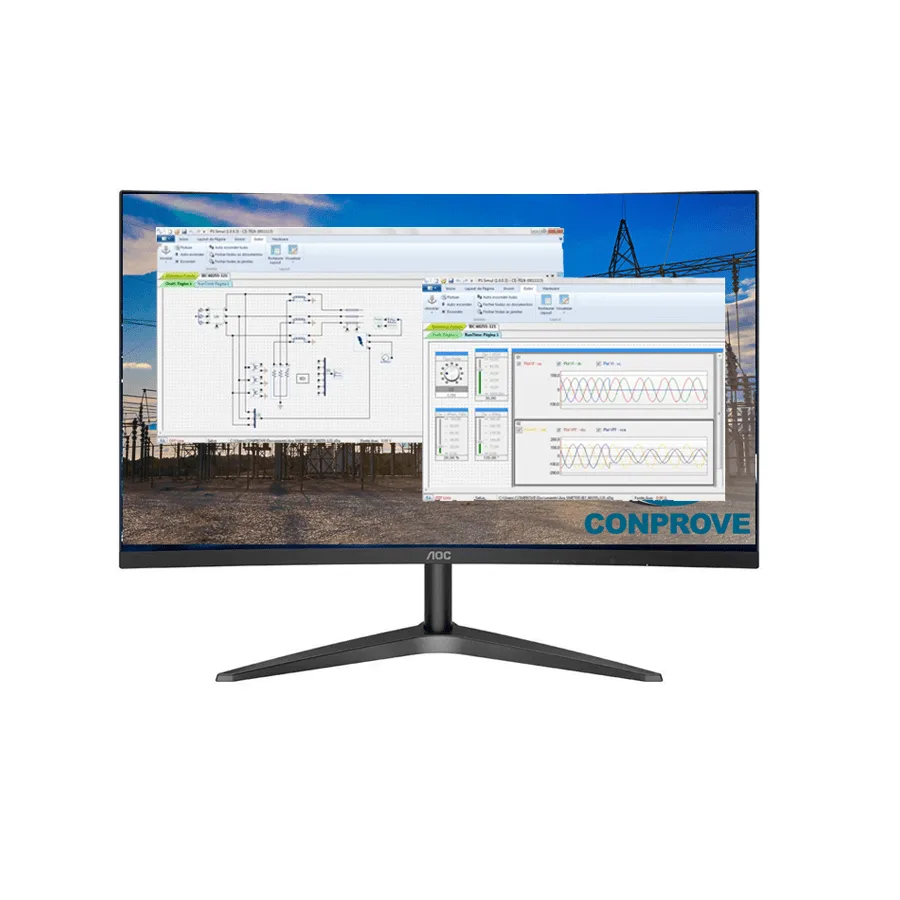
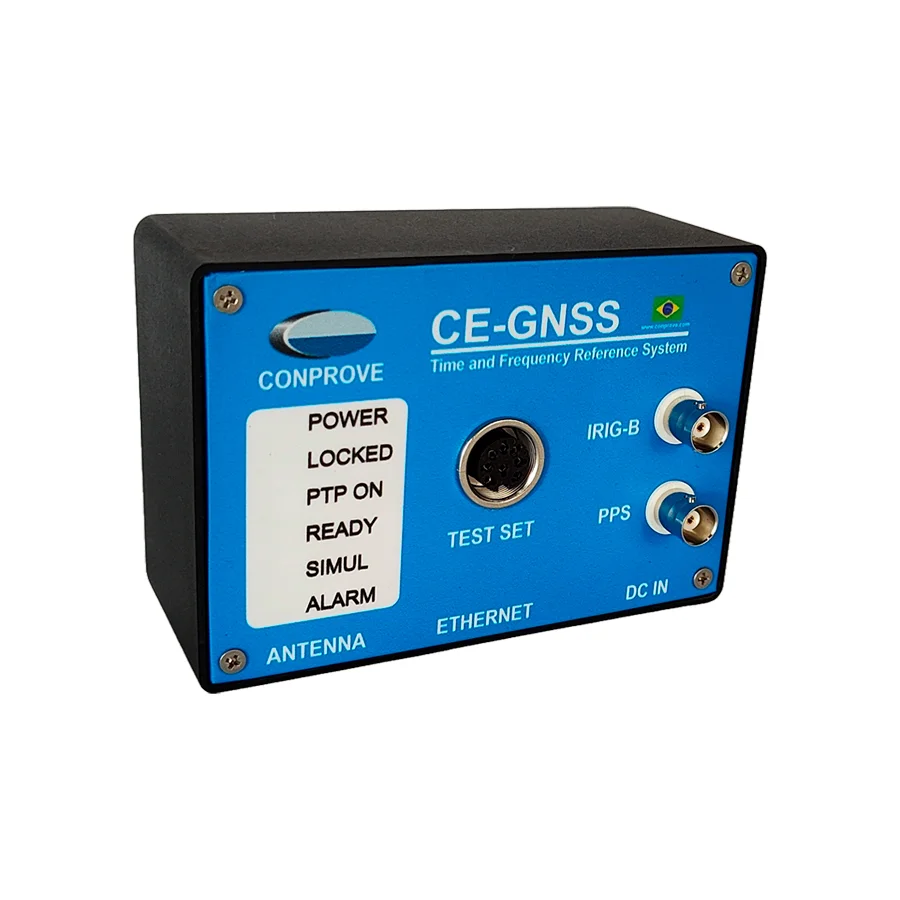
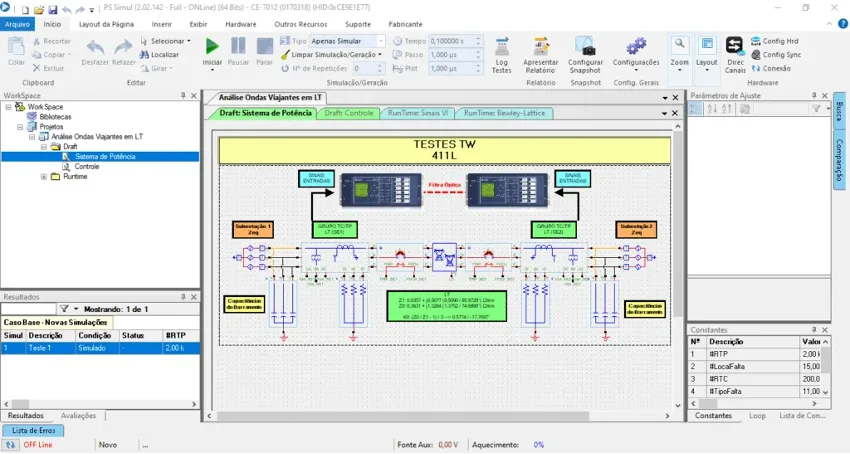
The tests are carried out using the PS Simul software, which allows realistic modeling of power systems and ensures consistent responses for all signals. It also enables high-fidelity playback of COMTRADE and ATP files, as well as full integration with the test set, the CE-TW1, and the CE-GNSS, which are required for performing the tests.
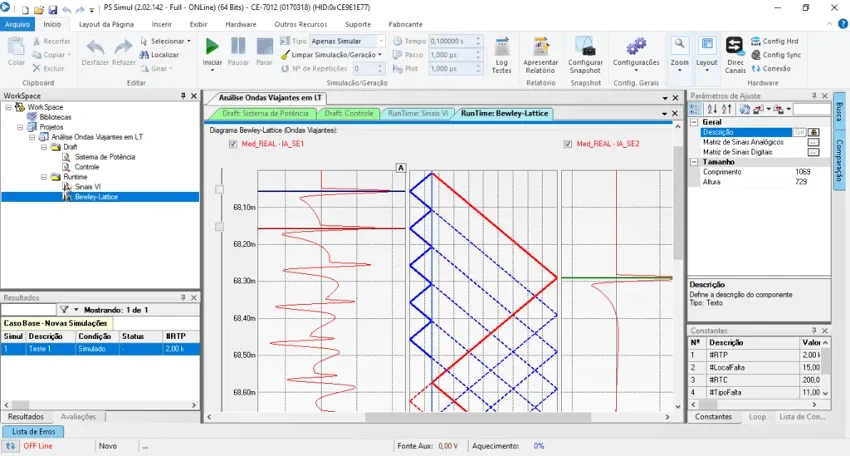
In the traveling wave tests, the system reproduces both the first wavefront and its reflections, simulating a real event. This enables more accurate fault location and also allows single-terminal and multi-terminal calculation algorithms to operate together and simultaneously.