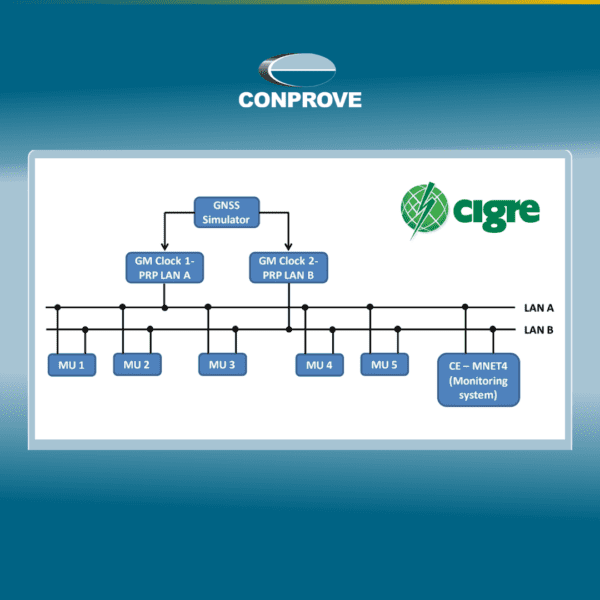





The evolution of IEC 61850-based digital substations has significantly increased the level of integration between protection, automation, communication, and time synchronization. At the same time, it has introduced a new challenge for engineering, commissioning, and maintenance teams: how to detect network failures and anomalies quickly, accurately, and with consistent technical evidence.
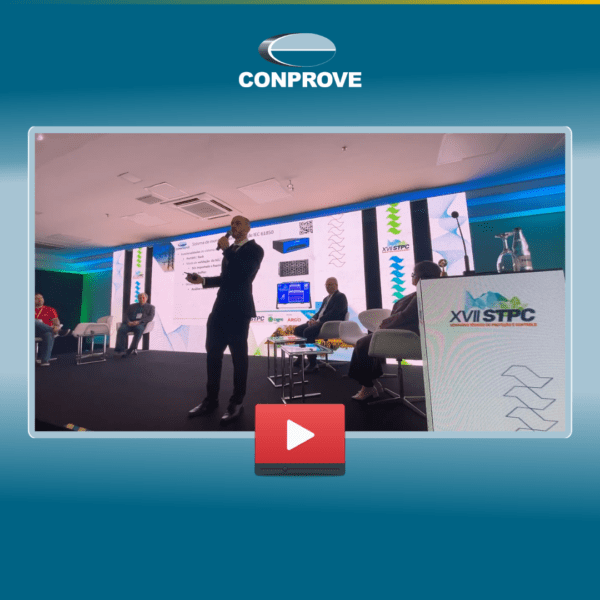
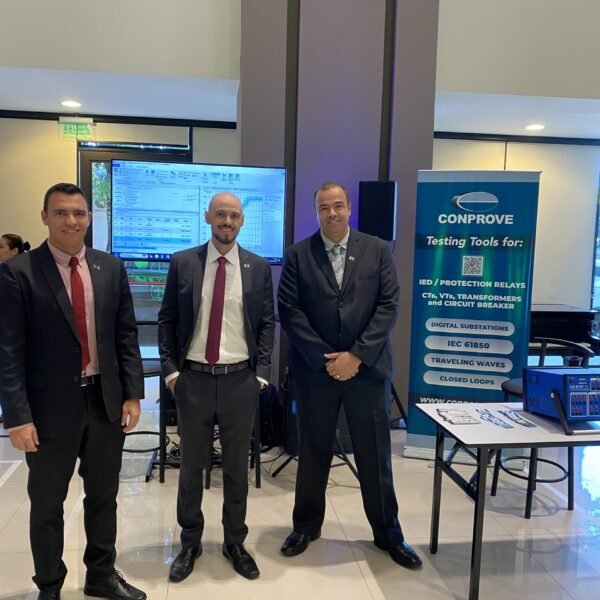
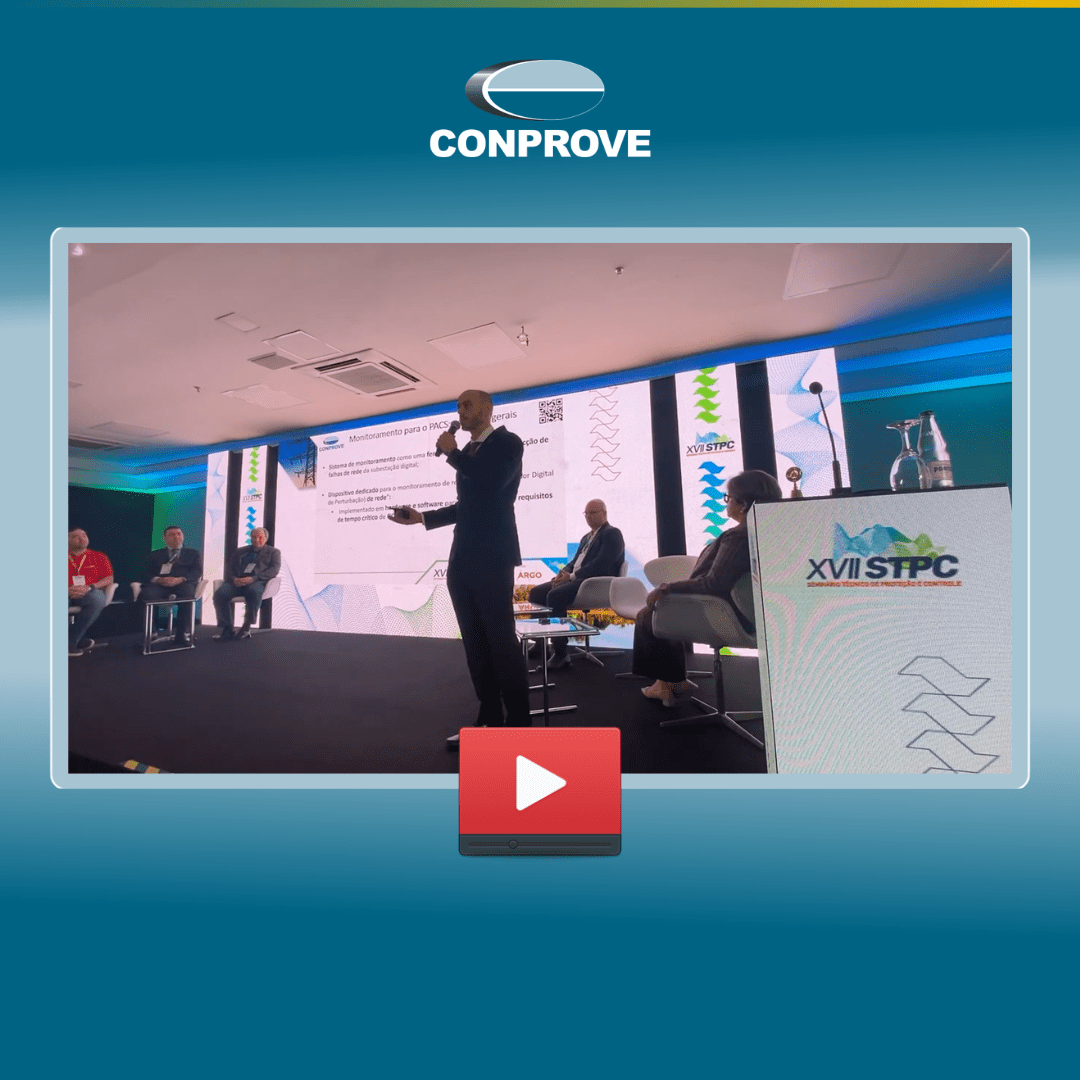
In the context presented by Conprove at STPC 2024, network monitoring is no longer just a complementary feature. It now assumes a strategic role, functioning as a true network disturbance recorder. Instead of observing only the isolated behavior of an IED, the proposal is to analyze network traffic, identify deviations, and correlate events based on objective data.
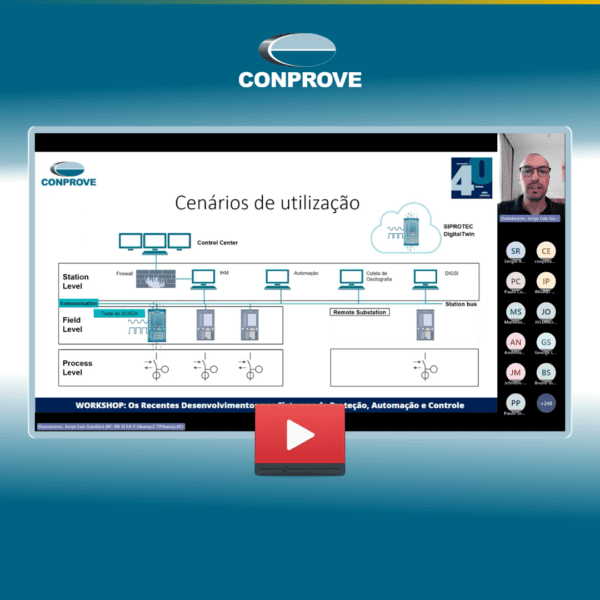
Related video:
https://youtu.be/c3-3azz2gn4
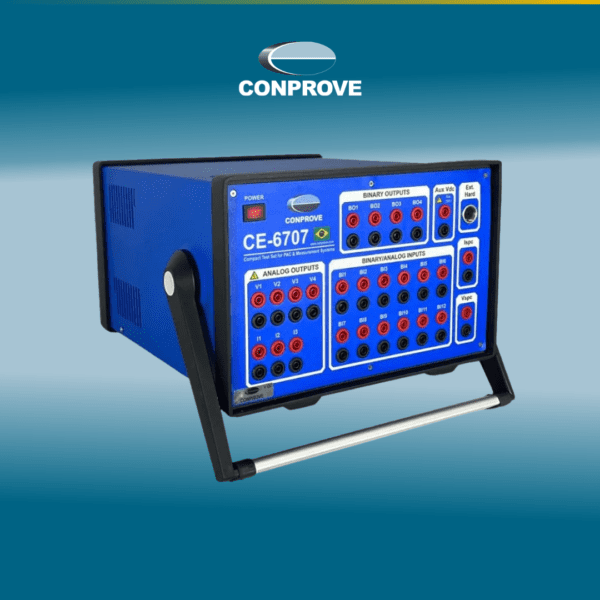
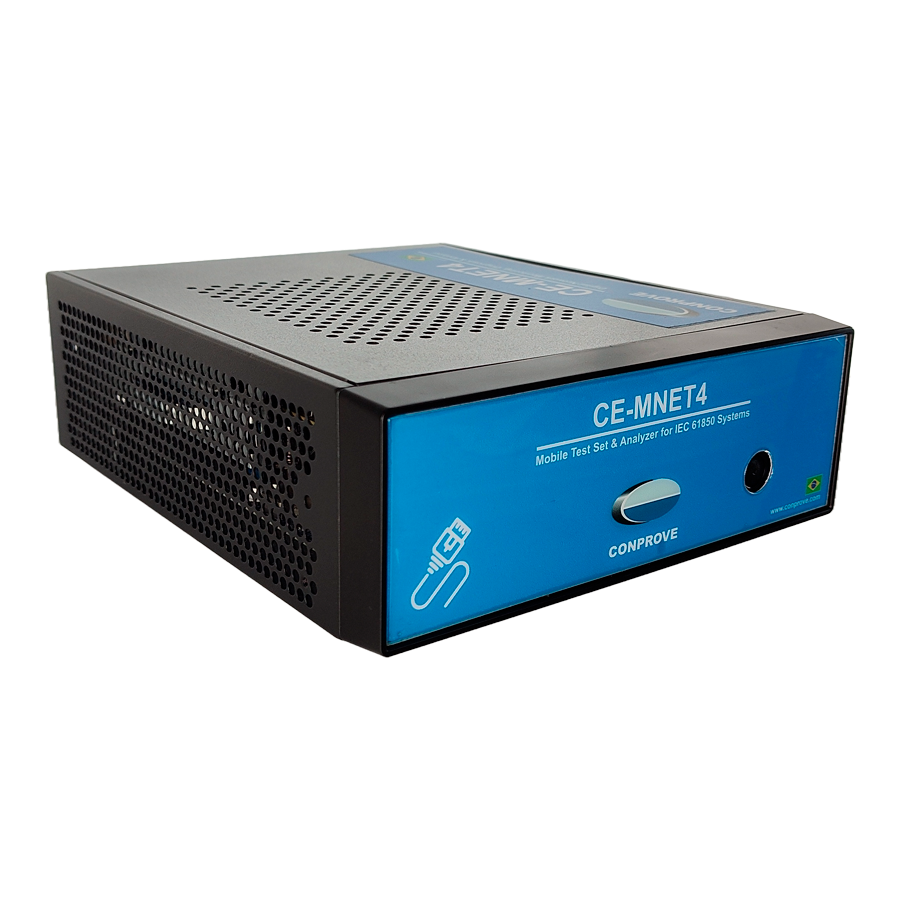
Related product:
https://conprove.com/en/products/02-0-ce-rnet4-digital-test-set-analizer-for-iec-61850-systems/
Why network monitoring has become critical in digital substations
In conventional architectures, many diagnostics could be carried out focusing mainly on wired signals and the functional behavior of equipment. In a digital substation, however, a critical part of system performance depends on the communication network, the quality of transmitted messages, and temporal consistency between events.
This means failures may not only exist in the relay, logic, or parameterization, but also in factors such as:
- message loss or degradation;
- inconsistencies between planned configuration and actual traffic;
- time synchronization problems;
- communication anomalies in critical flows;
- integrity or cybersecurity failures.
In this scenario, deep network monitoring becomes essential to reduce diagnostic time and increase the reliability of technical acceptance and operation.
The concept of a “network disturbance recorder”
One of the most relevant points of the presented approach is treating the monitoring system as a network disturbance recorder. In practical terms, this means capturing and analyzing communication events with the same rigor traditionally applied to electrical disturbance analysis.
This approach provides important advantages:
- visibility into real network behavior;
- early anomaly detection;
- objective evidence for root cause analysis;
- more accurate correlation between protection, automation, and communication events;
- greater traceability for validation, troubleshooting, and technical auditing.
More than simply detecting that a failure occurred, the goal becomes understanding how, when, and under which conditions it happened.
The role of the SCL file in network validation
In the IEC 61850 environment, the SCL file plays a central role in substation engineering. It represents the planned system configuration, including logical relationships, services, and communication structure.
In practice, network monitoring becomes even more valuable when it allows comparison between:
- what was planned in the project;
- what is effectively configured;
- and what is actually happening in network traffic.
This comparison is essential to identify discrepancies that often do not appear in superficial analyses. Benefits include:
- consistency validation between engineering and operation;
- identification of configuration deviations;
- support for commissioning with more objective criteria;
- reduced risk of silent or intermittent failures.
Message integrity, cybersecurity, and time synchronization
In digital substations, some of the most sensitive points for analysis and diagnostics are directly related to three pillars: message integrity, security, and time synchronization.
Message integrity
Critical messages must arrive correctly, completely, and within expected conditions. Especially in applications using GOOSE and Sampled Values, even small deviations can compromise performance, selectivity, or system reliability.
Security
Network analysis must also consider security configuration and exposure to events that may affect communication availability or reliability. In increasingly connected architectures, cybersecurity is no longer a parallel topic and becomes part of the technical validation logic.
Time synchronization
When the system depends on time-critical mechanisms such as GOOSE and SV, synchronization becomes indispensable for reconstructing events coherently. Without reliable temporal reference, analysis loses precision and diagnostics may become inconclusive.
Practical impact on commissioning, maintenance, and troubleshooting
From an operational perspective, network monitoring in digital substations provides direct benefits throughout different stages of the asset lifecycle.
During commissioning
- more robust communication validation;
- confirmation of expected architecture behavior;
- stronger technical evidence for acceptance.
During maintenance
- faster identification of deviations and anomalies;
- support for preventive interventions;
- greater operational predictability.
During troubleshooting
- reduced root cause investigation time;
- more objective analysis of intermittent events;
- less dependence on subjective interpretation.
From a corporate standpoint, this means greater reliability, higher productivity, and less technical rework.
CE-RNET4 and the need for an evidence-driven approach
Within this context, solutions dedicated to the IEC 61850 environment become increasingly relevant. The focus is no longer simply verifying whether the network is working, but rather measuring, recording, comparing, and proving the behavior of the digital infrastructure.
This shift is important because the maturity of digital substations requires tools compatible with this new level of complexity. The more critical the application, the greater the need for:
- evidence-based diagnostics;
- repeatable analysis;
- correlation between configuration and real traffic;
- ability to identify anomalies before they evolve into higher-impact failures.
Conclusion
Monitoring and fault detection in digital substation networks can no longer be treated as a secondary layer of the process. In IEC 61850 architectures, they become directly integrated into the strategy for operational reliability, technical validation, and risk reduction.
The approach presented by Conprove at STPC 2024 reinforces exactly this point: to operate, commission, and maintain digital systems more safely, it is necessary to analyze the network with the same rigor applied to the rest of the substation.
When monitoring is structured to detect anomalies, validate SCL compliance, analyze GOOSE and Sampled Values, and correlate events with reliable time synchronization, organizations gain something essential: the ability to make decisions based on real technical evidence.