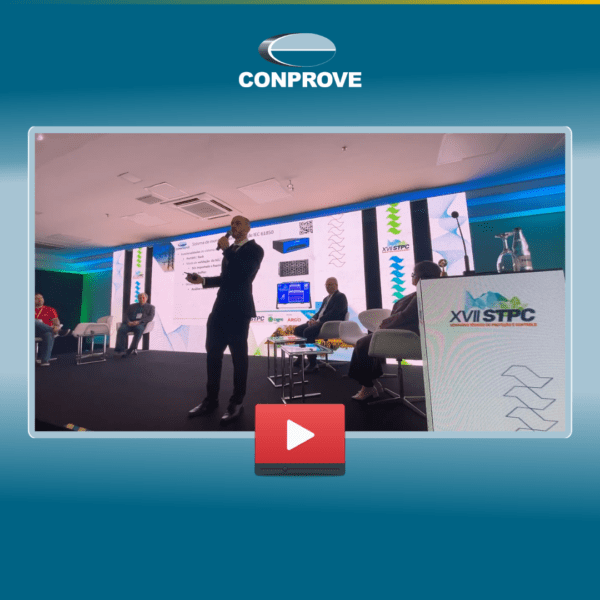






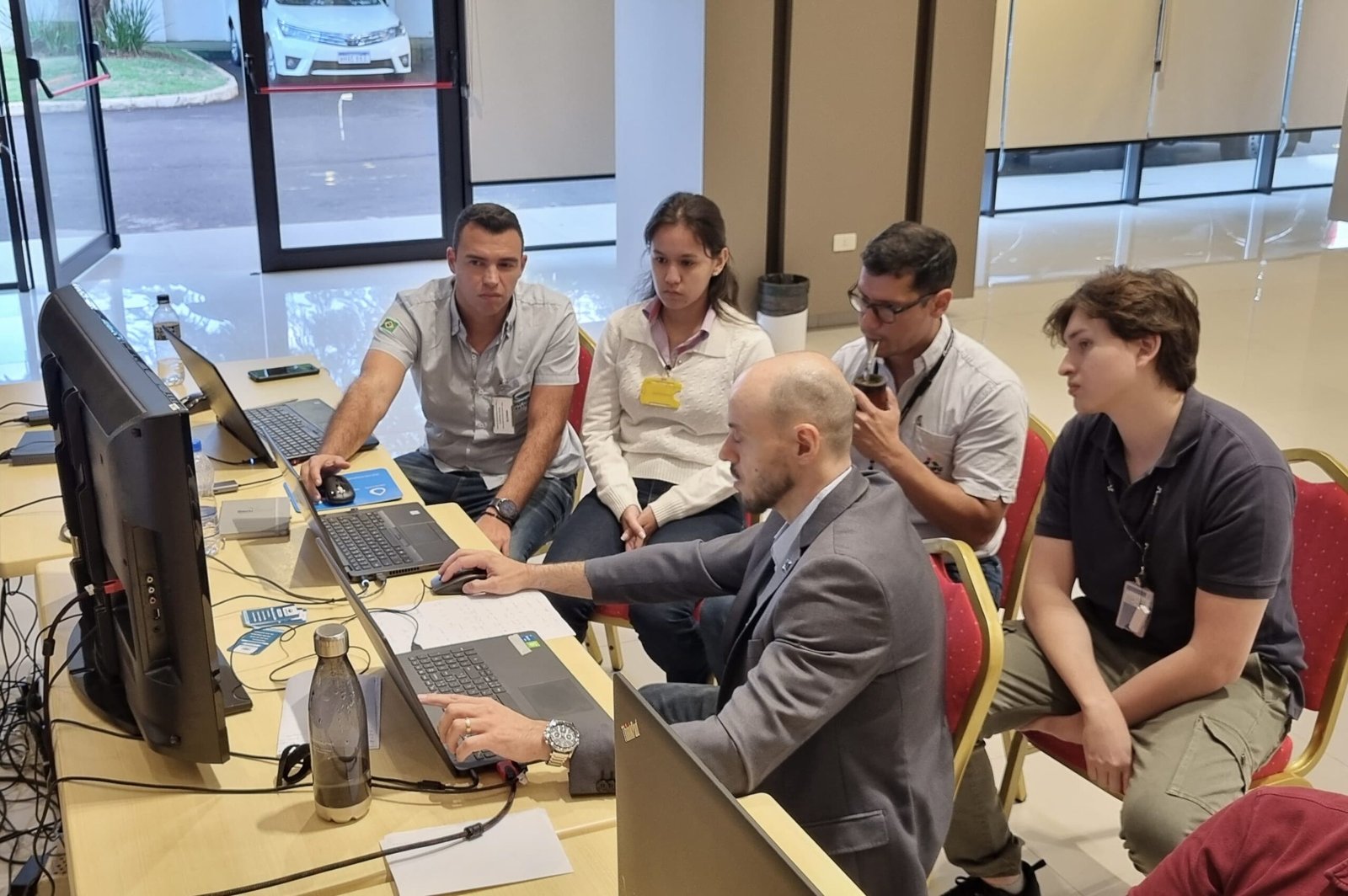
During the testing week at Itaipu, in Paraguay, practical activities are being carried out to address some of the most critical topics in the evolution of digital substations: cybersecurity, time synchronization, communication reliability, and full network visibility.
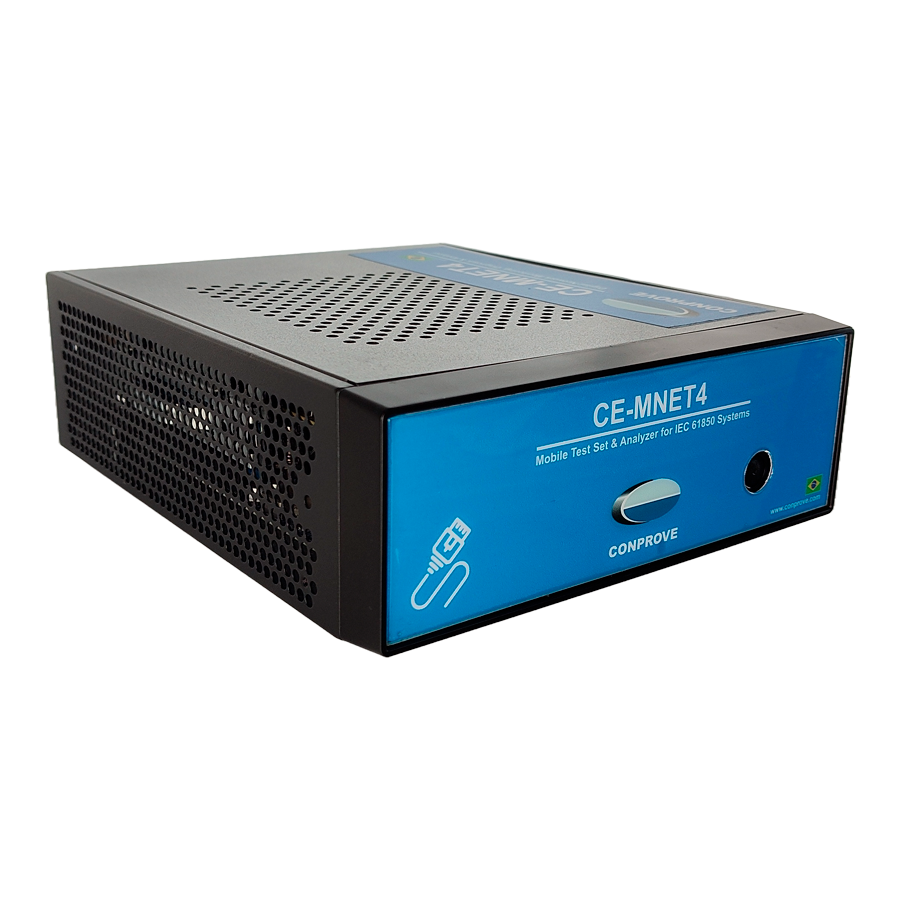
This technical environment has enabled the execution of multiple cybersecurity test scenarios involving key protocols used in IEC 61850-based architectures, including MMS, GOOSE, Sampled Values, and PTP. These tests are being performed with the CE-MNET4, a solution designed for network analysis, validation, and diagnostics in digital substations, allowing engineering teams to assess how devices and communication infrastructures behave under critical conditions.
More than simply simulating failures, this approach provides a strategic view of operational resilience. As digitalization increases efficiency and interoperability, it also raises the need to validate, with solid technical evidence, how the infrastructure responds to events that may affect performance, synchronization, and availability.
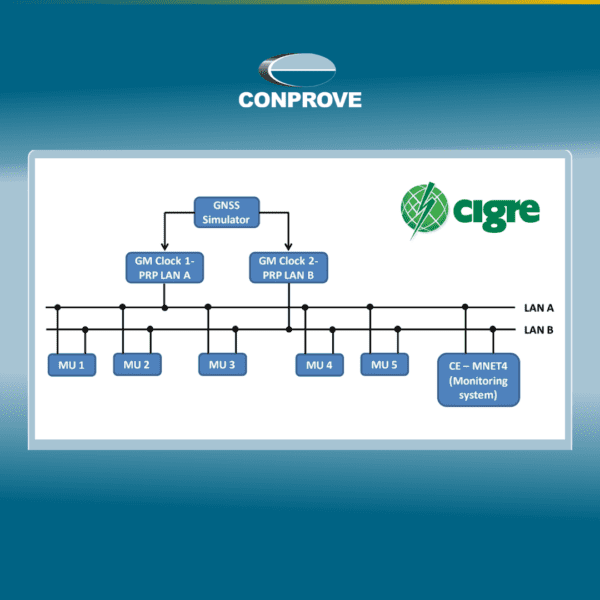
One of the most relevant examples during this testing week was the emulation of a grandmaster clock, creating different synchronization conditions for the Merging Units and allowing the team to verify the behavior of 87L line differential protection under this scenario. This type of test is especially important because time synchronization is one of the foundations of reliability in digital applications. Any change in this reference may directly affect measurement quality, data consistency, and, consequently, the correct performance of protection functions.
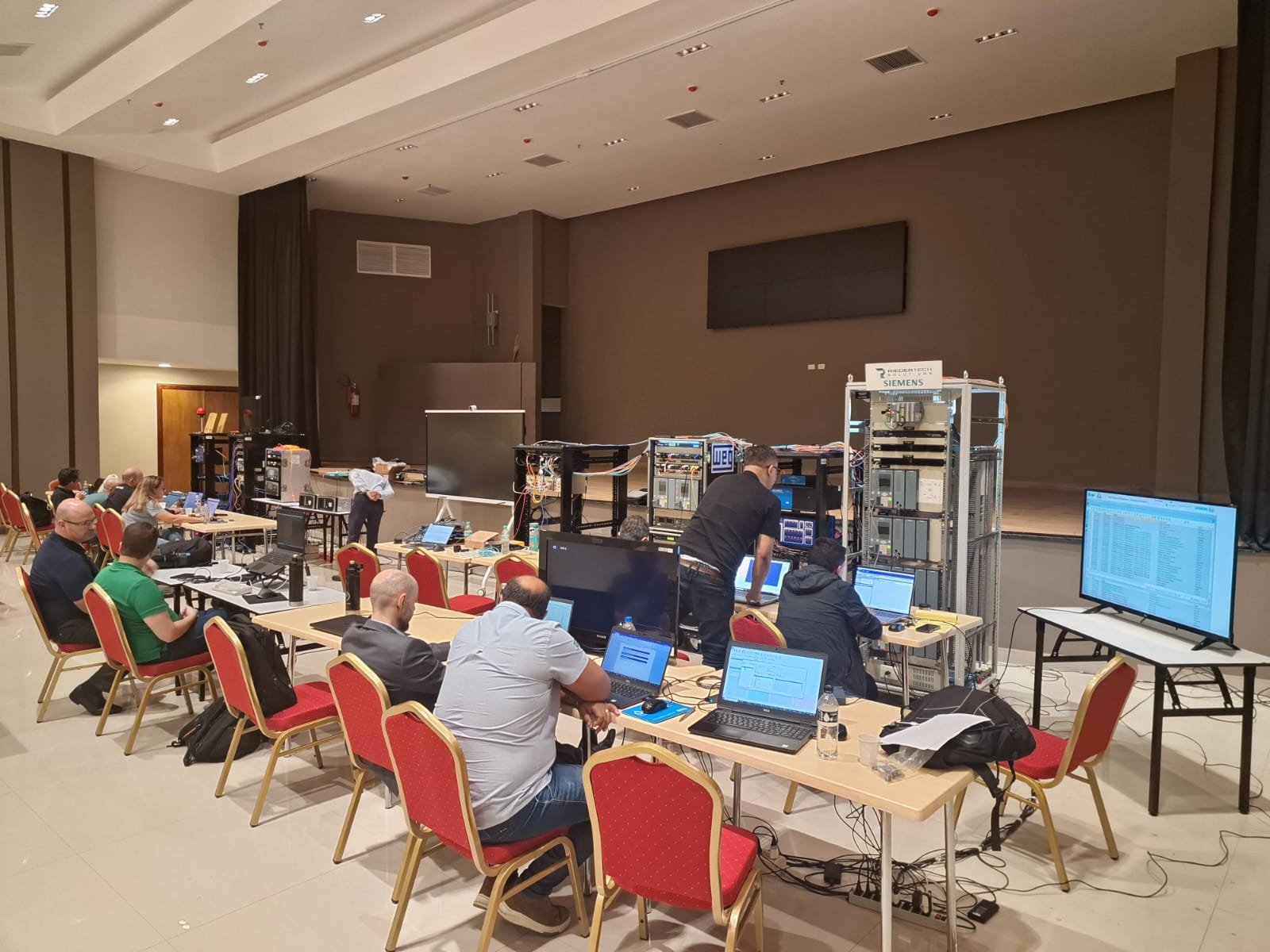
By putting this scenario into practice, the event demonstrates how well-structured testing helps anticipate risks and validate system performance beyond nominal operating conditions. This is an increasingly important approach for utilities, manufacturers, system integrators, and engineering teams that need to ensure security, traceability, and reliability in complex digital environments.
In parallel with the cybersecurity scenarios executed with the CE-MNET4, the event also includes full network monitoring using the CE-RNET4, expanding visibility into traffic, events, and message exchange throughout the tests. This continuous monitoring is essential to identify abnormal behavior, correlate events, support diagnostics, and build a reliable technical basis for result analysis.
In practice, the combination of cybersecurity testing with the CE-MNET4 and network monitoring with the CE-RNET4 strengthens a high-value technical agenda for the power sector. It is not only about testing individual devices, but about validating the architecture as a whole, observing how protection, communication, and synchronization interact in real scenarios and under differentiated conditions.
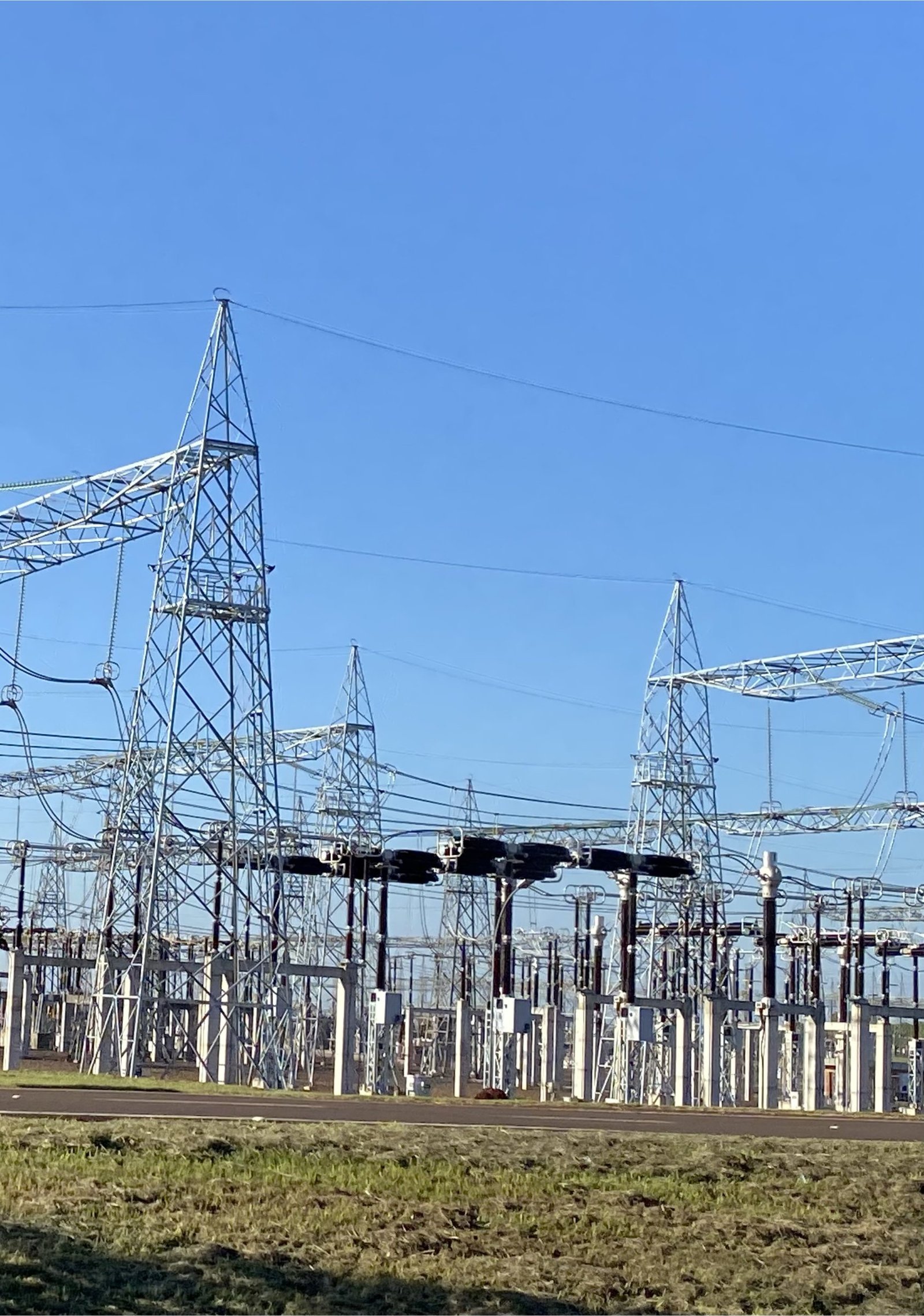
Carrying out these activities at Itaipu, in Paraguay, adds even greater relevance to the initiative. Itaipu is a global reference in the power sector and a highly symbolic environment for discussions about modernization, operational robustness, and technological evolution. Being in this context reinforces the importance of practical testing, knowledge exchange, and applied validation to accelerate the maturity of digital substations.
This testing week shows, in an objective way, that the future of digital electrical infrastructure depends on three central factors: visibility, security, and field validation capability. And it is exactly at this intersection that solutions such as the CE-MNET4 and CE-RNET4 become increasingly important, supporting technical teams in building networks that are more reliable, resilient, and prepared for the challenges of modern operation.