






The digital transformation of substations is completely redefining traditional concepts of protection, control, and automation in the power industry. Among the most innovative architectures in this scenario is Centralized Protection and Control (CPC), which proposes a more integrated, intelligent, and efficient approach to operating power systems.
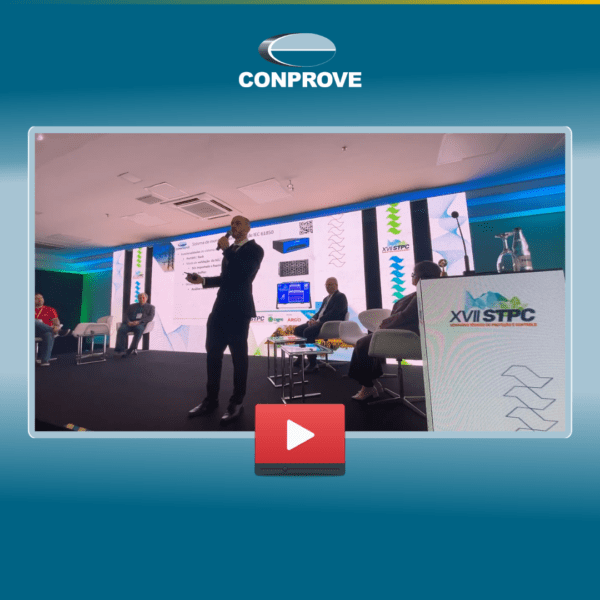
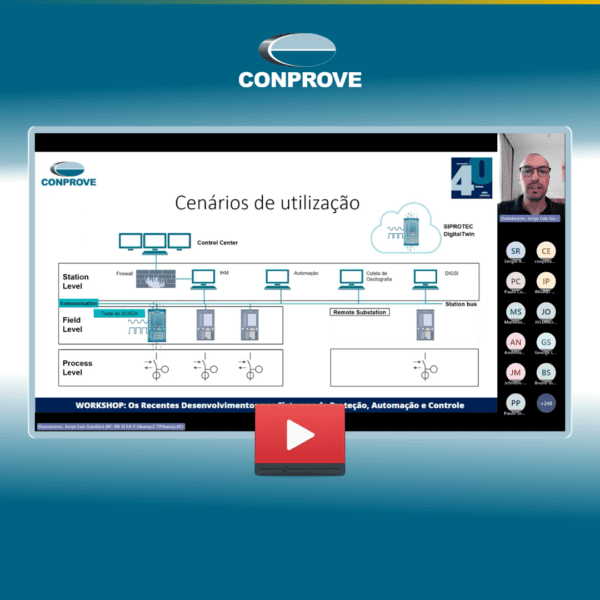
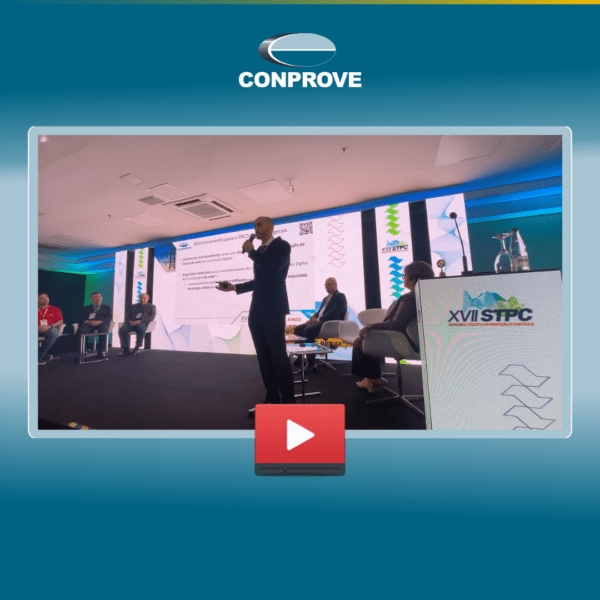
During the CONPROVE Workshop, Julio Oliveira, from Hitachi Energy, presented the practical experience of the ISA-CTEEP Jaguariúna Project, demonstrating how CPC architecture is being applied in modern digital substations.
The project highlights not only the technological advances enabled by IEC 61850 networks but also the operational, structural, and functional benefits that centralized protection and control can provide.
What is Centralized Protection and Control (CPC)?
Traditionally, protection and control systems are distributed among multiple IEDs installed close to bays and substation equipment.
In a CPC architecture, part of these functions is centralized on high-performance computing platforms, enabling:
- Greater integration between functions
- Reduced distributed hardware
- Simplified architecture
- Improved data management
- Greater operational flexibility
This approach leverages the full potential of IEC 61850-based digital substations.
The Evolution of Digital Substations
Digital substations are replacing conventional analog connections with high-speed Ethernet communications using protocols such as:
- GOOSE
- Sampled Values
- MMS
- PTP
This transformation has enabled:
- Significant wiring reduction
- Greater interoperability
- Advanced diagnostics
- Easier expansion
- Real-time monitoring
CPC emerges as a natural evolution of this digitalization process.
The ISA-CTEEP Jaguariúna Project
During his presentation at the CONPROVE Workshop, Julio Oliveira detailed the implementation of the CPC concept at the ISA-CTEEP Jaguariúna substation.
The project demonstrated practical applications involving:
- Centralized protection architecture
- Control system integration
- Communication flows to SCADA systems
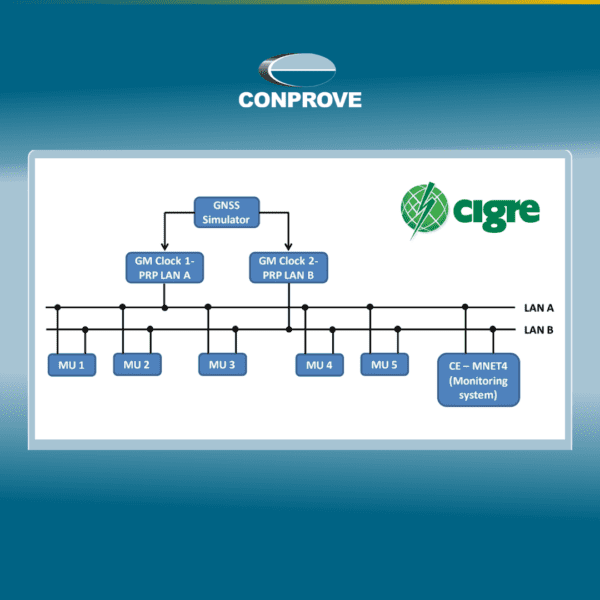
- PTP synchronization
- Optimization of control room space
The experience shows how modern digital architectures are changing the way substations are designed and operated.
Protection and Control Flows to SCADA
One of the topics addressed was the integration of protection and control systems with the SCADA environment.
In CPC architectures, data flows become highly integrated, enabling:
- Faster supervision
- Centralized event management
- Improved operational management
- Greater information availability
- More efficient diagnostics
IEC 61850 plays a fundamental role in ensuring interoperability among the devices involved.
Reduced Control Room Footprint
Another important benefit presented was the significant reduction in the physical infrastructure required within control rooms.
Function centralization provides:
- Fewer panels
- Reduced wiring
- Space optimization
- Simplified maintenance
- Better operational organization
This advantage becomes especially valuable in substation modernization and expansion projects.
The Importance of PTP Synchronization
Accurate synchronization is one of the cornerstones of modern digital substations.
The presentation also highlighted the use of PTP (Precision Time Protocol), which is essential for:
- Sampled Values synchronization
- Event timestamp accuracy
- Device coordination
- Operational reliability
In CPC architectures, synchronization precision directly impacts centralized protection and control performance.
Challenges of Centralized Architectures
Despite its many advantages, CPC adoption also introduces new technical challenges:
- Greater dependence on communication networks
- Requirement for highly reliable networks
- Advanced redundancy requirements
- Cybersecurity concerns
- IEC 61850 traffic diagnostics
- Continuous network supervision
These factors require specialized tools for testing, monitoring, and validating digital architectures.
The Role of IEC 61850 in Centralization
IEC 61850 is the technological foundation that enables CPC architectures.
It provides:
- Communication standardization
- Data modeling
- Interoperability
- Real-time communication
- Multi-vendor integration
Without this standardization, achieving the integration levels required by modern digital substations would be impossible.
The Future of Digital Substations
Industry trends point toward:
- Greater centralization
- Increased virtualization
- Advanced data integration
- Fully digital process buses
- Software-driven operational intelligence
The CPC concept represents one of the most significant steps in this evolution.
CONPROVE Workshop: Sharing Real-World Power Industry Experiences
The CONPROVE Workshop brings together specialists, manufacturers, and power industry professionals to discuss real applications, technology trends, and practical experiences related to automation and protection systems.
The presentation of the ISA-CTEEP Jaguariúna Project reinforces the importance of knowledge sharing for the continued evolution of digital substations.
Watch the Full Presentation
🎥
Learn More About CONPROVE
https://conprove.com/en/all-products/
CONPROVE: A Reference in Automation, Protection, and IEC 61850
For more than 40 years, CONPROVE has been developing solutions for:
- Protection testing
- IEC 61850 systems
- Digital substations
- Network diagnostics
- Power system automation
- Specialized technical training
The company is recognized as a leading provider of electrical engineering and testing technologies throughout Latin America.