





DPSP Global 2026: Conprove presents paper on Digital Twin IEDs vs. physical devices through closed-loop testing
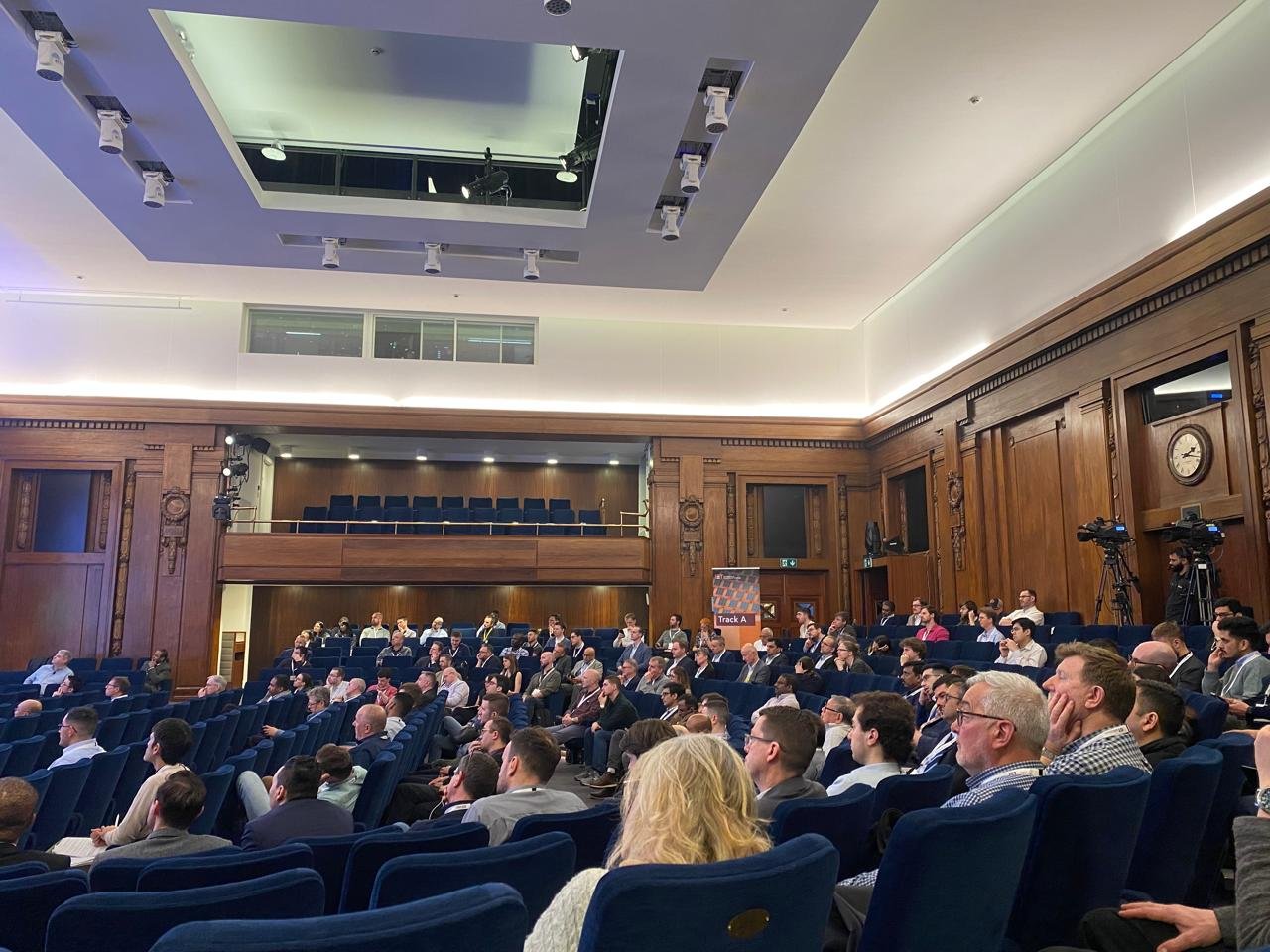
Conprove took part in DPSP Global 2026 (London, UK | 2–6 March 2026), one of the leading international forums focused on power system protection and the technical developments reshaping commissioning, testing, and validation in increasingly digital environments.
At the event, the following article/paper was presented:
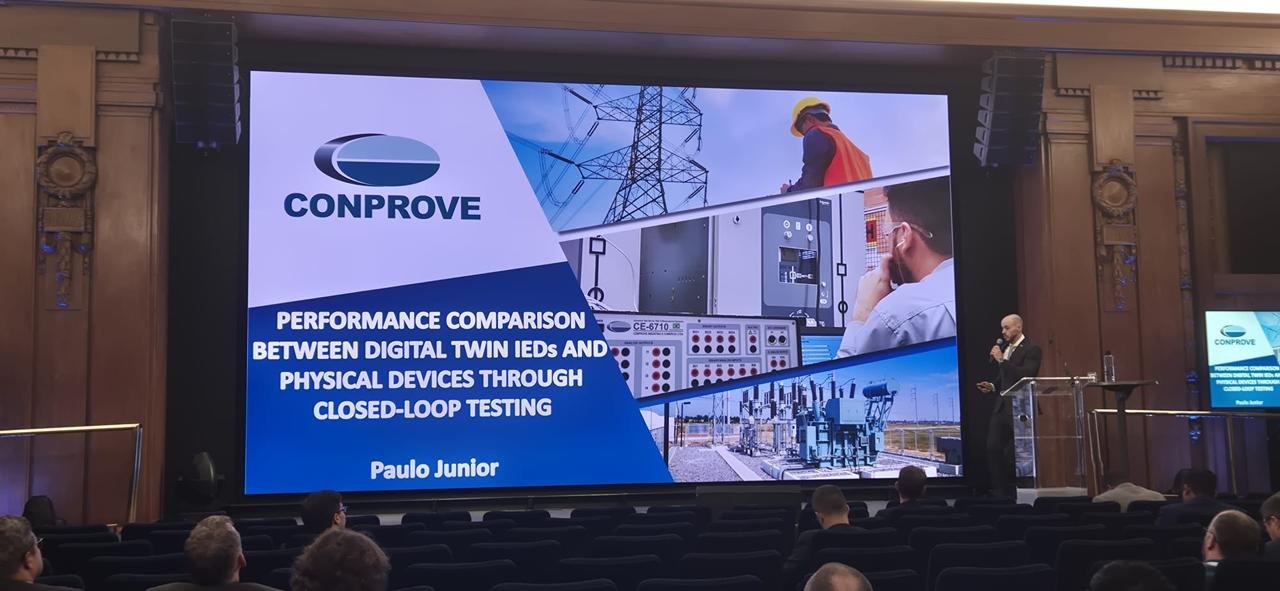
“PERFORMANCE COMPARISON BETWEEN DIGITAL TWIN IEDs AND PHYSICAL DEVICES THROUGH CLOSED-LOOP TESTING”
Why this topic matters now
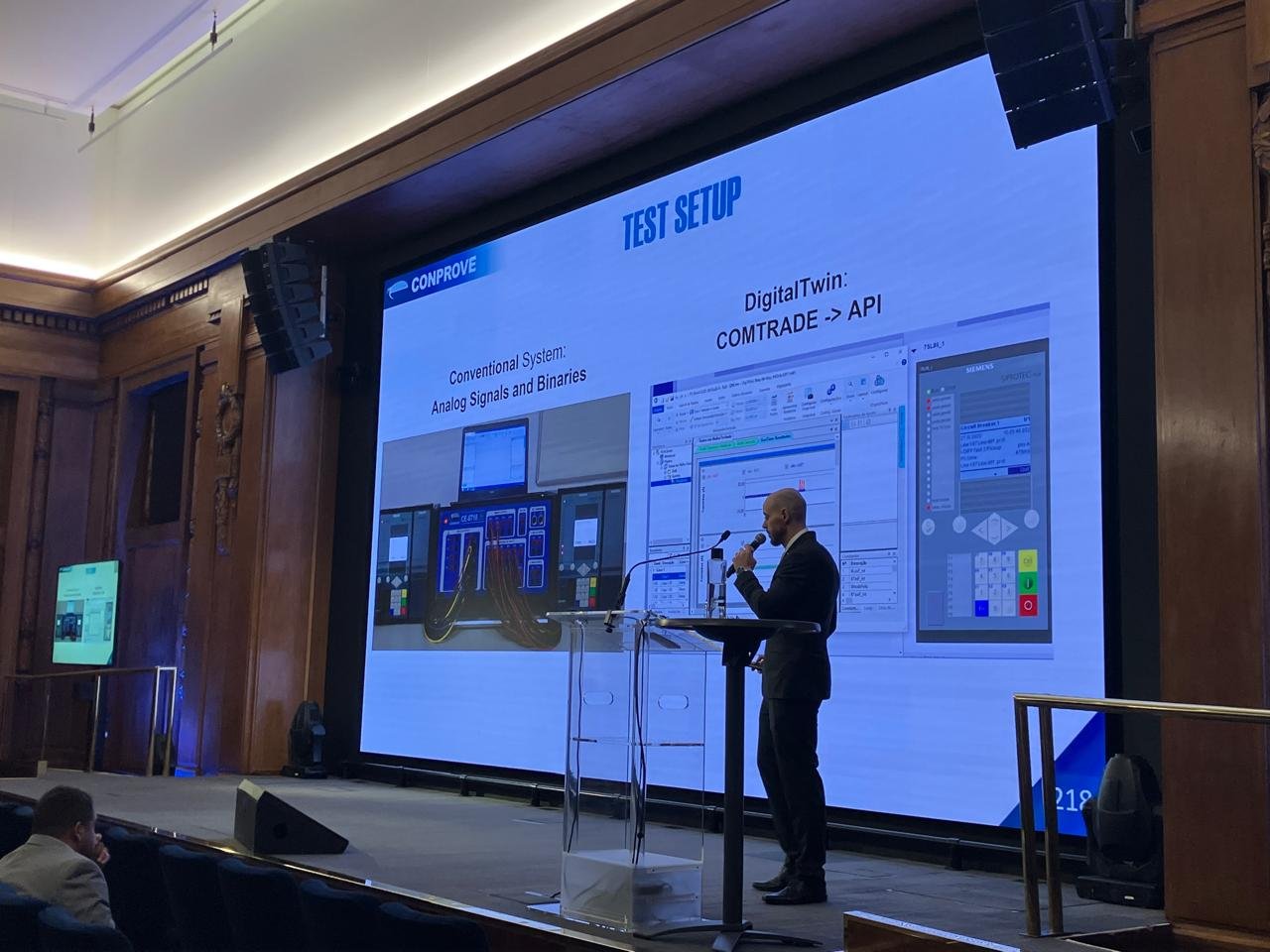
The availability of Digital Twins for protection and control devices has been helping optimize commissioning processes, enabling tests to be carried out before and during substation implementation.
In practice, this translates into:
- Reduced commissioning time
- Lower total testing cost
- Less need for exclusively physical testing and, consequently, reduced downtime
This advancement, however, brings a non-negotiable requirement to the industry: technical reliability based on evidence.
The central challenge: Digital Twin validation
The key point for safe adoption is validation: a Digital Twin only delivers real value when it can be shown to faithfully reproduce the behavior of the physical IED.
Without this proof, using the digital twin for protection settings verification and performance analysis remains subject to uncertainty — which increases risk in decisions that require precision, traceability, and repeatability.
What the study evaluated: closed-loop testing as evidence criteria
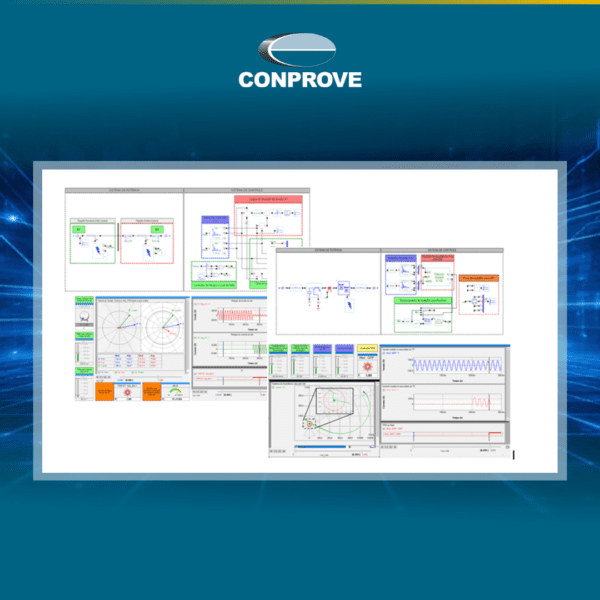
This study addressed that gap through closed-loop testing, applying a diverse set of scenarios to:
- Real IEDs
- Their digital equivalents (Digital Twins)
Based on this, the responses were compared to evaluate:
- Accuracy (how closely the digital twin matches real behavior)
- Practical benefits for commissioning and validation
- Potential efficiency gains without giving up technical rigor
Impact for customers and projects (corporate perspective)
For utilities, system integrators, manufacturers, and engineering teams, the message is clear: Digital Twins have the potential to increase productivity — but the competitive differentiator lies in how performance is proven.
In the modernization agenda, this discussion is connected to pillars that have been gaining priority across the sector:
- Digital Substations
- WAMPACS
- VPACs
- IBRs
In other words, it is not just about “simulating” — it is about validating with solid criteria in order to operate and expand more complex, dynamic, and digitalized power systems.
Event reference
DPSP Global 2026 (London, UK | 2–6 March 2026)
https://dpsp.theiet.org/2026-global