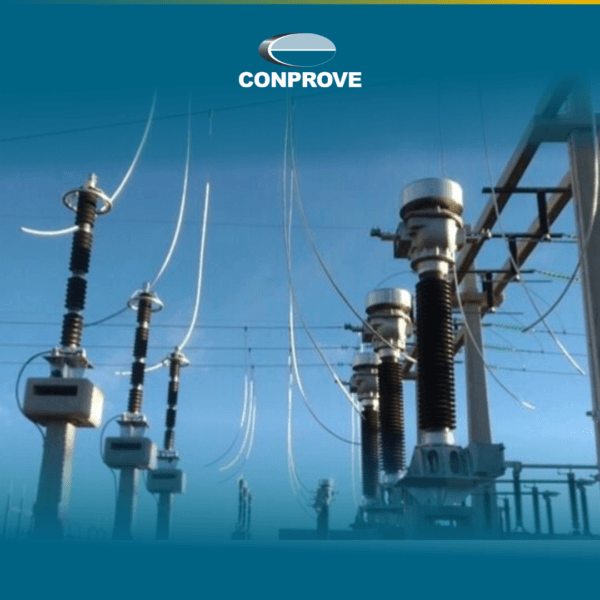





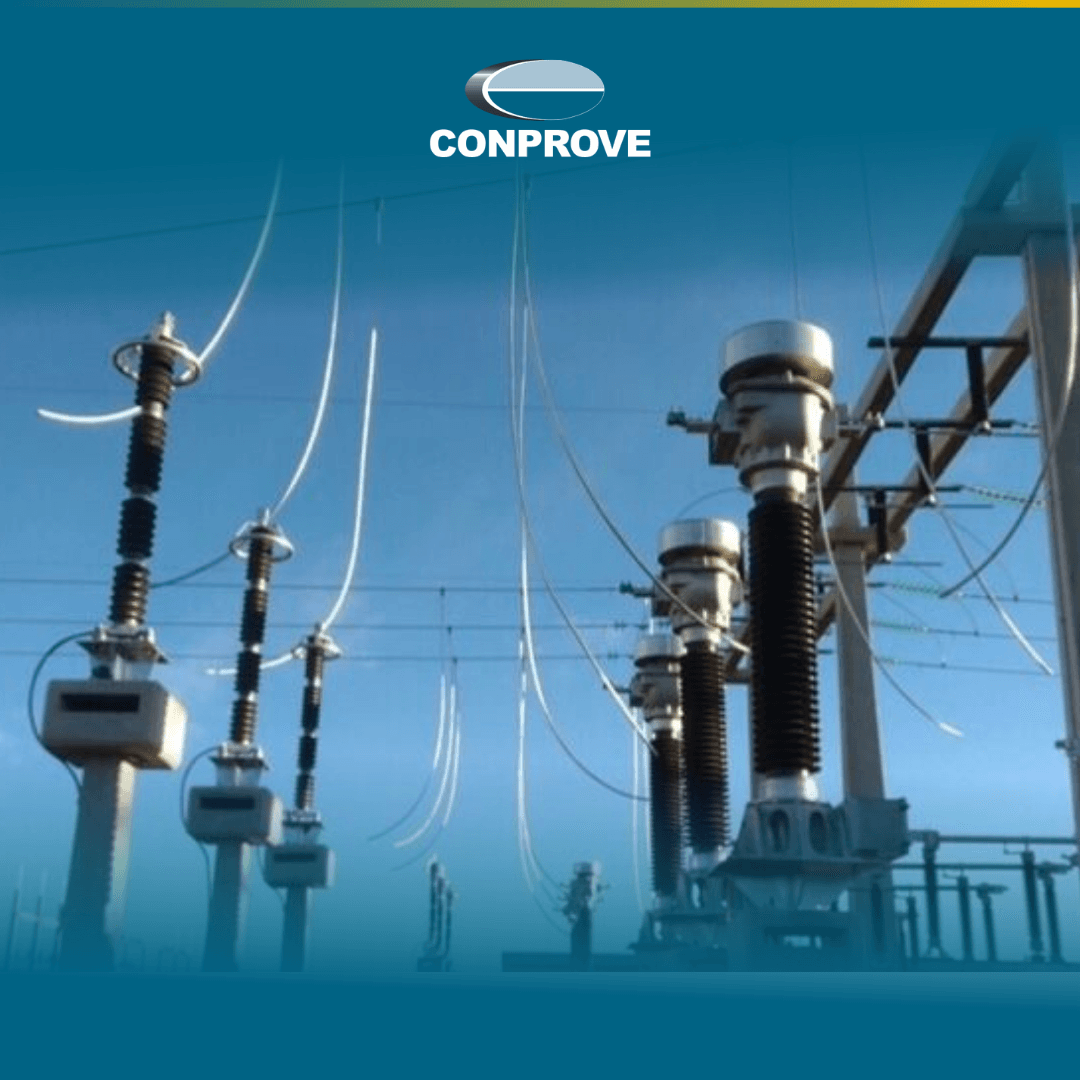
Instrument Transformers — CTs (Current Transformers) and PTs (Potential Transformers) — are fundamental elements for measurement, supervision, and protection of power systems. They ensure that high-level current and voltage quantities are converted to safe values, feeding protection relays, meters, and automation systems with reliable data.
In a scenario of increasingly demanding grids, the accuracy of these devices is decisive for operational efficiency, asset safety, and the protection of personnel.
What are Instrument Transformers (CTs and PTs) — Conventional and Non-Conventional
Generally, Instrument Transformers can be:
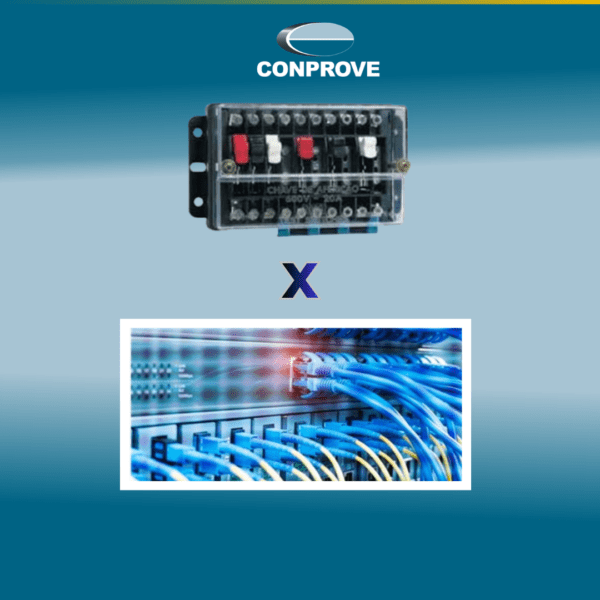
- Conventional, with ferromagnetic cores and traditional secondaries.
- Non-conventional, with low-power outputs, such as LPITs (Low Power Instrument Transformers), which use other technologies to adapt primary values to secondary ones.
Regardless of the technology, the function is the same: to provide the protection and measurement system with a proportional and reliable signal of the actual primary electrical quantity.
In practice, this means that any deviation (ratio error, saturation, dielectric failure, linearity problems, etc.) can directly affect:
- Protection sensitivity and selectivity
- Measurement quality
- Fault detection capability
- And even supply continuity
Why Testing Instrument Transformers is Indispensable
Testing CTs and PTs is fundamental to ensure they are operating within standard limits and with performance compatible with system needs.
Regular tests help to:
- Identify incipient faults before they cause unavailability.
- Avoid measurement errors that can compromise operational analysis and decisions.
- Reduce risks of improper protection operation or failure to operate.
- Ensure that data delivered to systems is precise, repeatable, and traceable.
In modern environments (especially with digital substations), the requirement increases: besides electrical quantities, it is common to need to validate aspects such as synchronization and communication quality associated with Sampled Values (SV).
Types of Tests: What to Evaluate (Conventional vs. Non-Conventional)
Test types vary depending on whether the IT is conventional or non-conventional, but the goal is always the same: to prove electrical, metrological, and functional performance.
Classic Tests (Common in Conventional ITs): Tests typically seek to evaluate parameters such as:
- Transformation ratio
- Saturation curve (especially relevant in CTs for fault performance)
- Winding resistance
- Dielectric withstand capability
Advanced Tests (Frequent in Digital and/or Non-Conventional Scenarios): Depending on the application and IT type, more advanced tests may be necessary, such as:
- Linearity evaluation
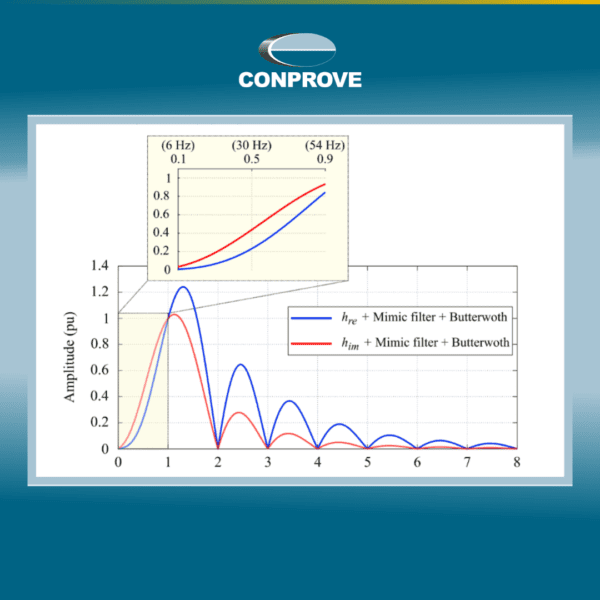
- Frequency response
- Synchronization verification
- Monitoring and validation of Sampled Values (SV) (when the architecture involves Merging Units and IEC 61850 communication)
These tests are especially relevant when the goal is to validate system behavior under real operating conditions and in architectures with higher automation density.
CONPROVE Solutions for Instrument Transformer Testing
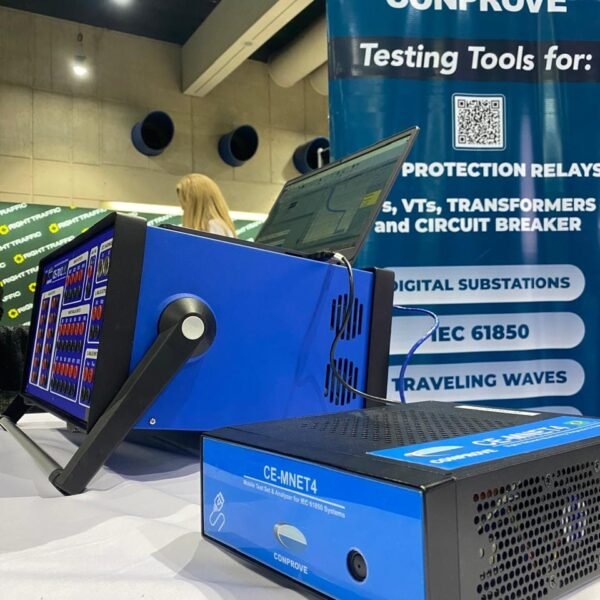
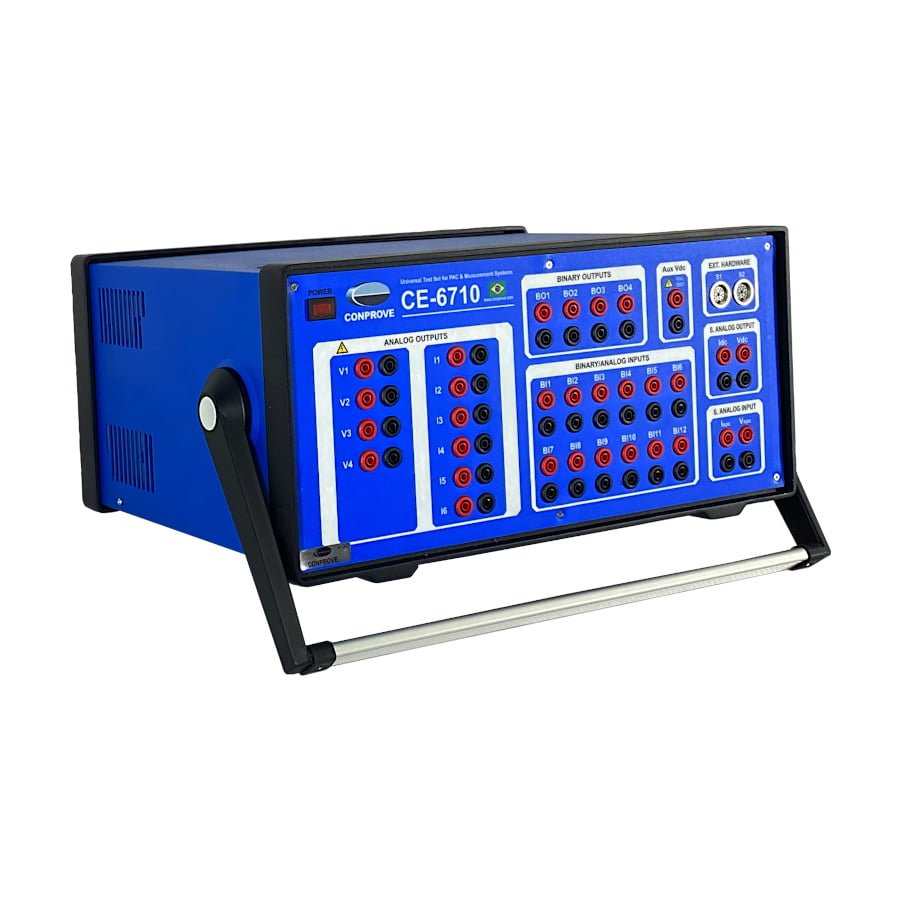
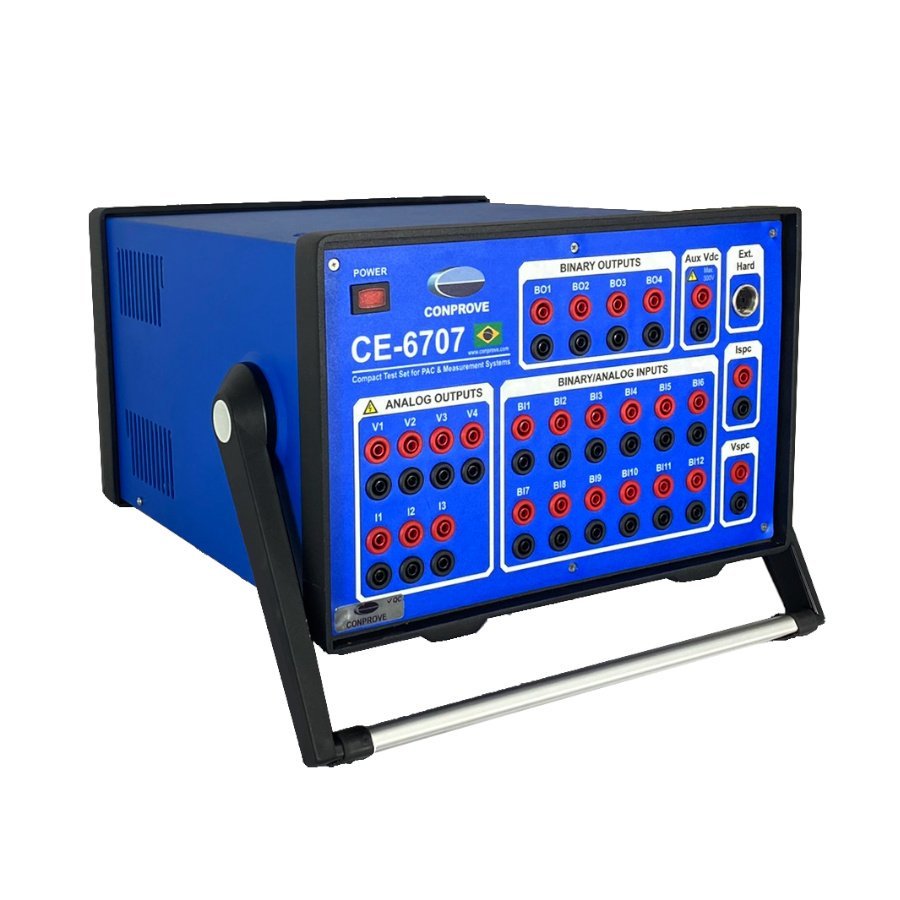
CONPROVE offers solutions with embedded cutting-edge technology for testing both conventional and non-conventional instrument transformers, such as LPITs.
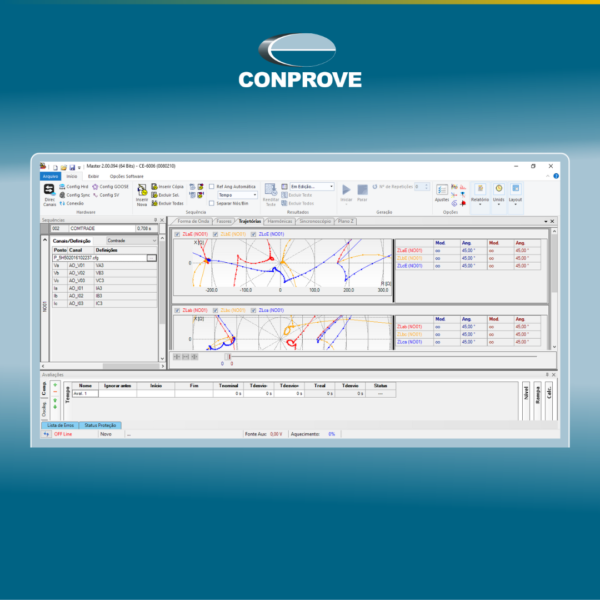
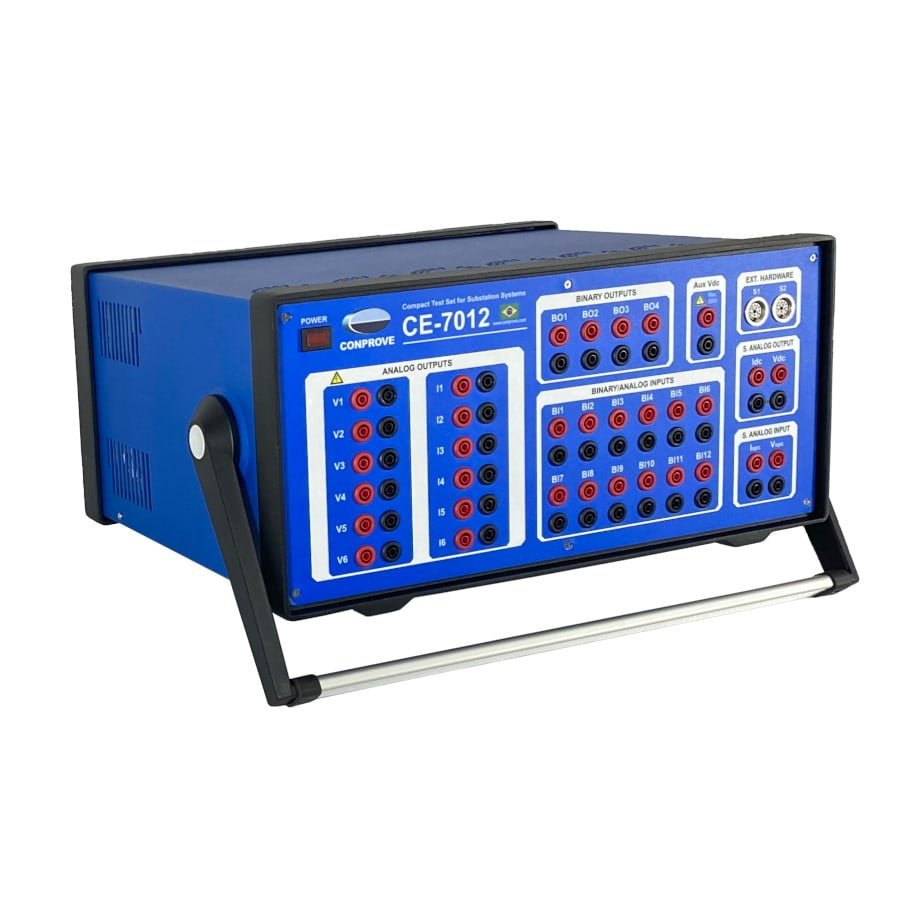
A highlight is the use of the CE-7012 in conjunction with the CTC (Conprove Test Center), which allows executing a range of tests in a single device, bringing direct gains to commissioning and maintenance teams, such as:
- Test and report automation (standardization and traceability)
- High precision in execution and recording of tests
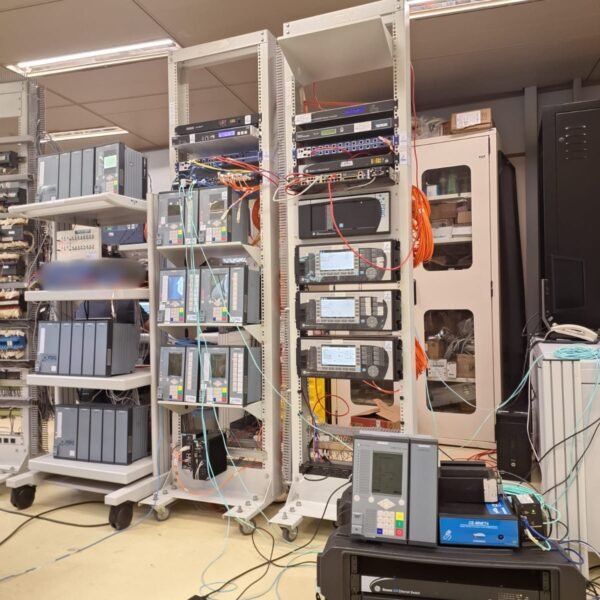
- Possibility of closed-loop testing with LPITs, by subscribing to Sampled Values frames from Merging Units
To learn more about instrument transformer testing and applicable solutions, visit: