





The evolution of digital substations demands interoperability, traceability, and operational security. IEC 61850 consolidated this ecosystem with a client/server communication model based on MMS (IEC 61850‑8‑1), connecting IEDs to SCADA/EMS systems in a standardized manner. This article presents the fundamentals of MMS, typical use cases, and how to validate the architecture with testing and diagnostics best practices.
Technical vision: MMS and the client/server model
MMS (Manufacturing Messaging Specification) is the foundation of request/response-oriented data exchange between the supervisory system (client) and the IEDs (servers). This model enables:
- Reading analog measurements and binary states
- Writing control commands with security checks
- Handling alarms/events and periodic scans
- Integration with historical databases and engineering tools
In practical terms, standardization of data, services, and nomenclatures reduces integration ambiguitiesacross manufacturers, improves supervisory reliability, and shortens commissioning cycles.
Applications in SAS: supervision, control, and energy management
Within the Substation Automation System (SAS) environment, MMS sustains:
- Remote supervision of substations, with real-time acquisition of magnitudes and states
- Secure equipment control, respecting interlocks and control philosophies
- Integration with energy management systems and historical data, enabling operational analyses and compliance
- Convergence with other IEC 61850 messages (GOOSE and Sampled Values), maintaining architecture and data coherence
By standardizing the “communication vocabulary,” MMS facilitates IED fleet scalability and controlled firmware and configuration evolution.
Validation and commissioning: from configuration to audit
The quality of client/server communication depends on a coherent chain: consistent SCL, correct data mapping, access policies, scan times, and reliable reporting. Best practices include:
- SCL verification and logical node/common data object mapping (LN/DO/DA)
- Functional read/write tests with acceptance criteria and evidence records
- Latency and performance checking under realistic operational conditions
- Standardized report generation for FAT/SAT and audits
Integrated test and diagnostics tools in the automation workflow reduce rework, standardize evidence, and reinforce operational cybersecurity.
How Conprove supports your IEC 61850 workflow
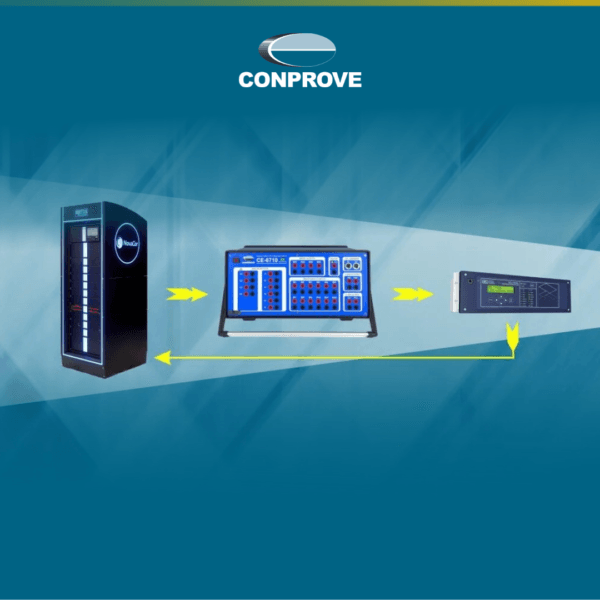
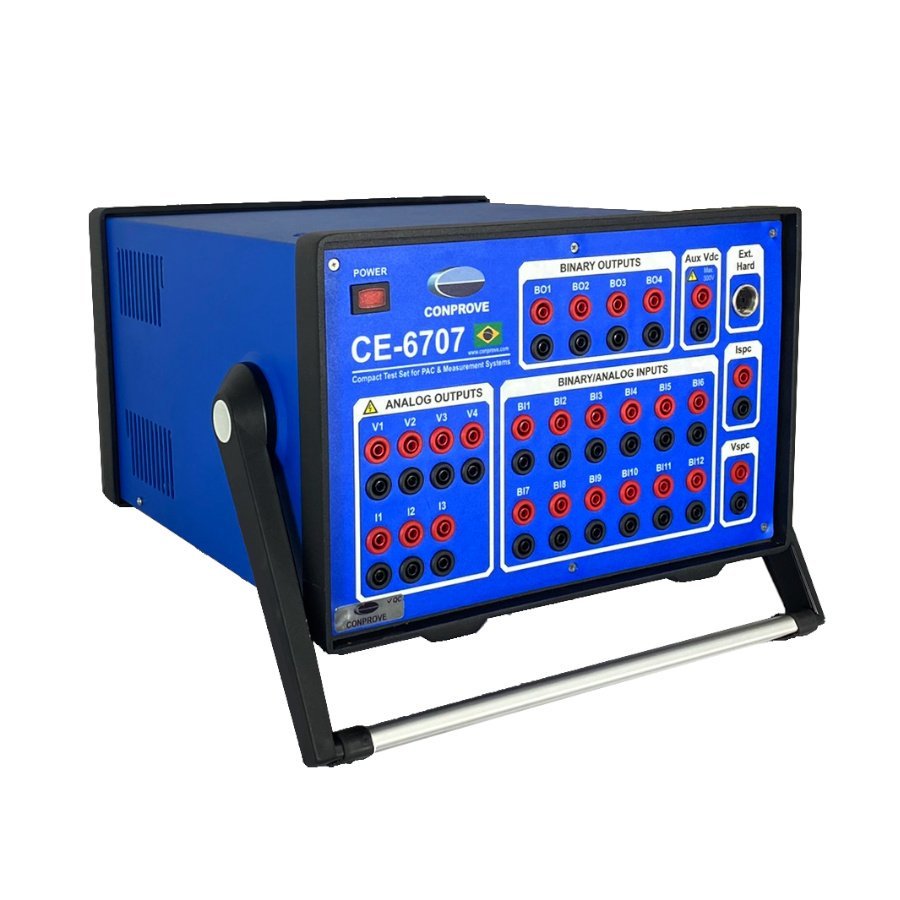
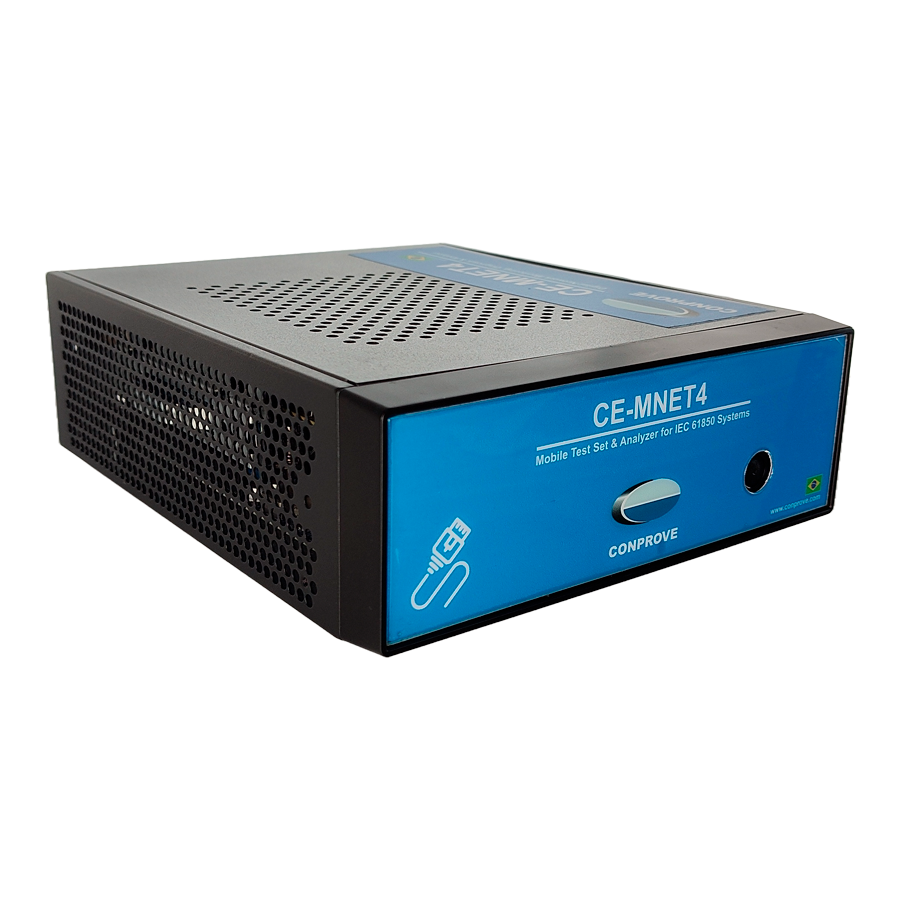
Conprove provided technical content and solutions for MMS communication testing and validation in the IEC 61850 context, aligned with daily automation, protection, and operations. From study to field execution, the approach prioritized productivity, reproducibility, and regulatory compliance.
Learn more about Client-Server IEC 61850 (MMS):
Discover the Conprove Test Center (CTC) platform:
🔗 EN:
Learn more about Conprove: