




Client – Server IEC 61850
MMS Communication for Supervision and Control in Digital Environments
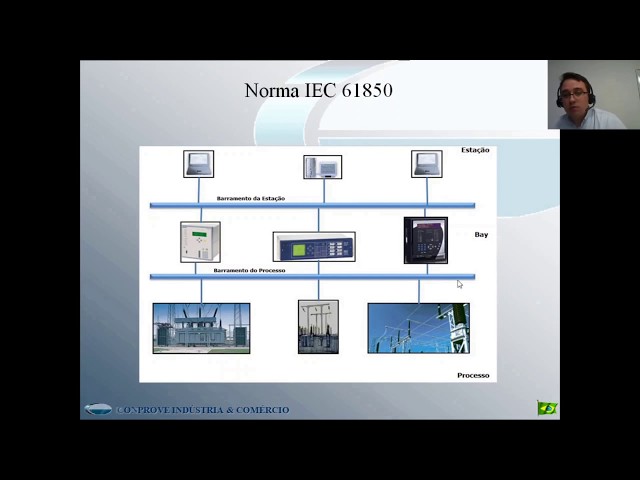
The IEC 61850 standard represents a significant advancement in the development of automation and protection systems in the power sector, establishing a standardized platform for communication between Intelligent Electronic Devices (IEDs) and SCADA (Supervisory Control and Data Acquisition) systems. One of the pillars of this standard is the client/server communication model, based on the MMS – Manufacturing Messaging Specification protocol, as defined in IEC 61850-8-1.
What Is Client/Server Communication?
The client/server model in the context of IEC 61850 allows supervisory systems (clients) to access IED (server) information, such as analog measurements, digital signal status, alarms, and control commands. This communication is based on standardized requests and responses that ensure interoperability between devices from different manufacturers.
This model is widely used for:
- Remote supervision of substations;
- Field equipment control;
- Real-time variable monitoring;
- Data exchange with historical databases and engineering systems;
- Integration with energy management systems.
MMS Protocol (Manufacturing Messaging Specification)
The MMS protocol is the mechanism used for client/server communication in the IEC 61850 standard. It defines how information is organized, accessed, and transmitted between devices, providing a robust, reliable, and secure interface.
Main characteristics of MMS:
- Object-oriented model: IED data is organized into hierarchical structures for easy access and handling.
- Real-time data reading and writing;
- Execution of remote commands, such as breaker opening/closing;
- Timestamped event subscription, ensuring traceability;
- File and disturbance record transfer (COMTRADE);
- High reliability for critical power system applications.
Conprove Solutions for MMS Testing
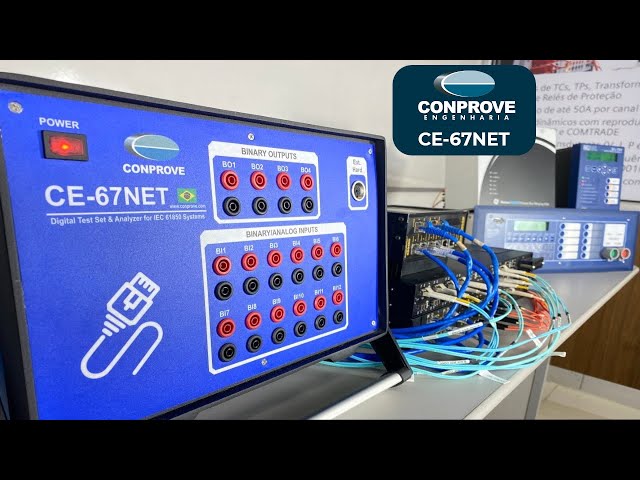
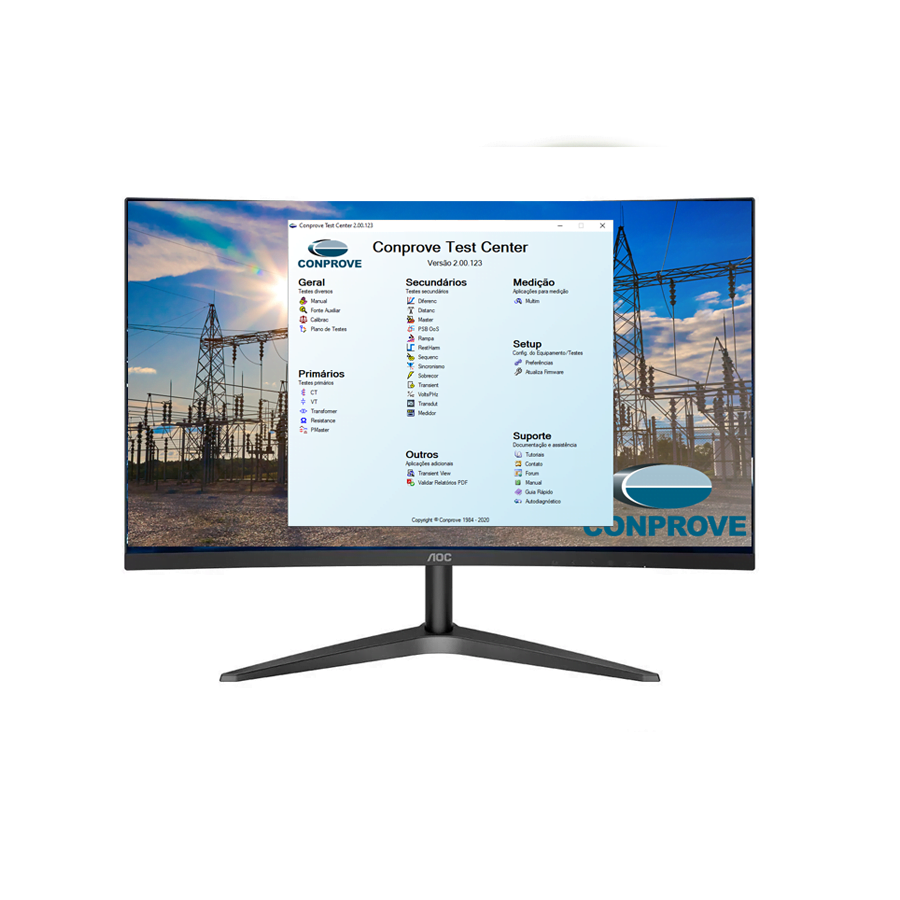
Conprove offers the market versatile and comprehensive solutions for MMS communication testing within the IEC 61850 standard. With universal equipment and intuitive tools, it is possible to perform realistic simulations and accurate diagnostics both in the lab and in the field. The platform enables efficient integration with IEDs and SCADA systems, optimizing commissioning, validation, and maintenance activities. All supported by CTC – Conprove Test Center software, providing a practical, safe experience aligned with the electric sector’s requirements.
Using CTC – Conprove Test Center software, it is possible to:
- Configure MMS connections with real IEDs;
- Read real-time analog and digital data;
- Simulate control commands via MMS and verify device responses;
- Automate SCADA supervision tests with event and alarm logging;
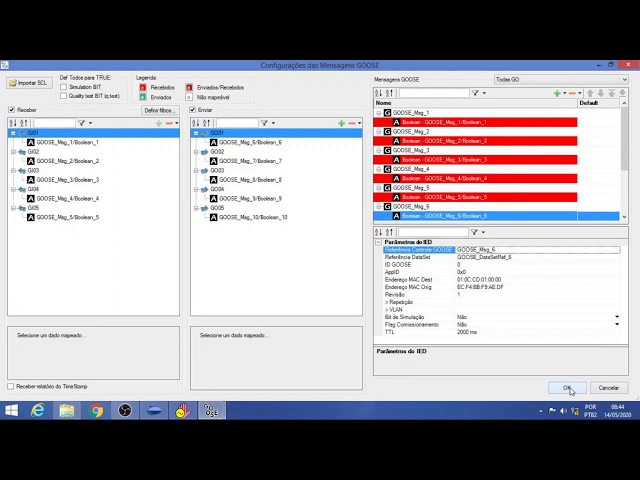
- Validate SCL (Substation Configuration Language) file structures;
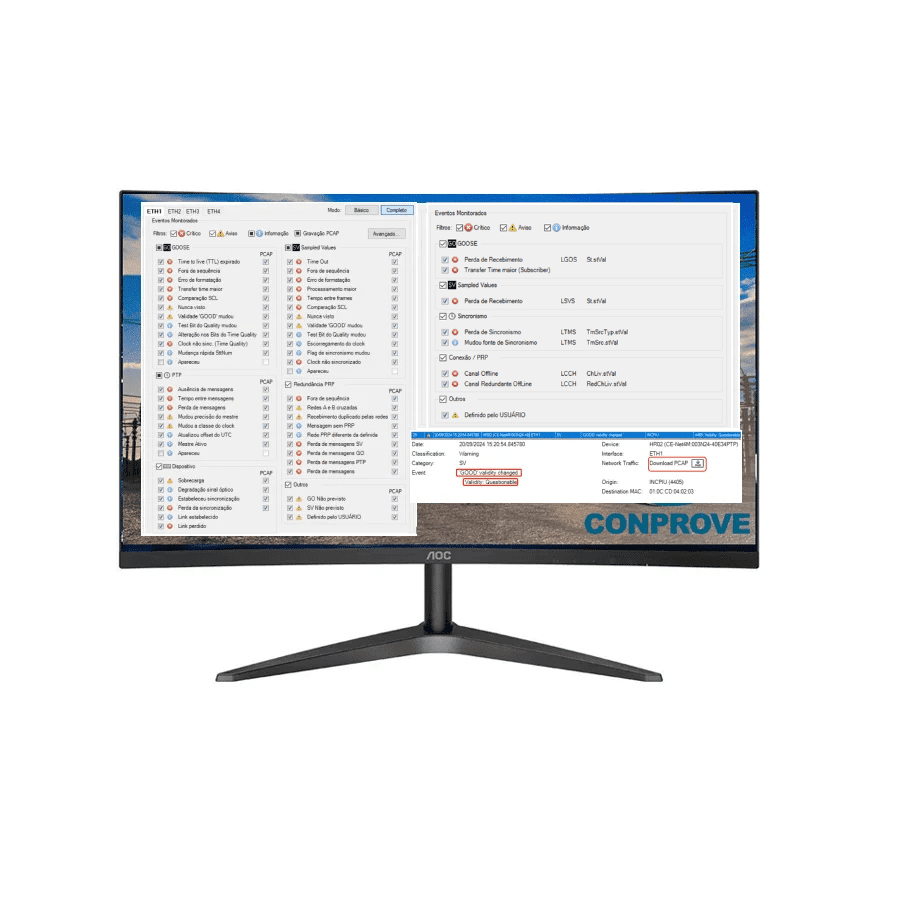
- Evaluate performance and reliability of client/server communication on Ethernet networks.
Typical Applications
MMS testing is applicable for:
- Commissioning of IEC 61850 digital substations;
- Interoperability testing between SCADA systems and IEDs;
- Evaluation of remote command and alarm response;
- Simulation of fault scenarios for behavior analysis;
- Technical training in automation and protection labs.
Configuring the IED in Simulation Mode via MMS: IEC 61850 Features for Testing and Simulations
A typical application, utilizing Client/Server communication within digital substations, is for the IED to be placed in simulation mode remotely by means of MMScommands. In practice, this allows engineering and testing tools to control the operational state of the equipment in a standardized way over the network, increasing test flexibility and reducing local on-site interventions.
When performing tests in IEC 61850-based substations, understanding the Mode and Behavior of the IED is what separates a safe test from an operational risk.
Why is this critical?
The main goal is to avoid incorrect operations, such as an acidental trip, during tests, while keeping the logic active but controlling the outputs.
Essential difference
- Mode: is what you configure on the IED;
- Behavior: is what you read back (read-only), reflecting the effective state of the equipment considering the hierarchy and restrictions.
In other words: you request the Mode, but it is the Behavior that confirms how the IED is actually operating.
Main Mode states
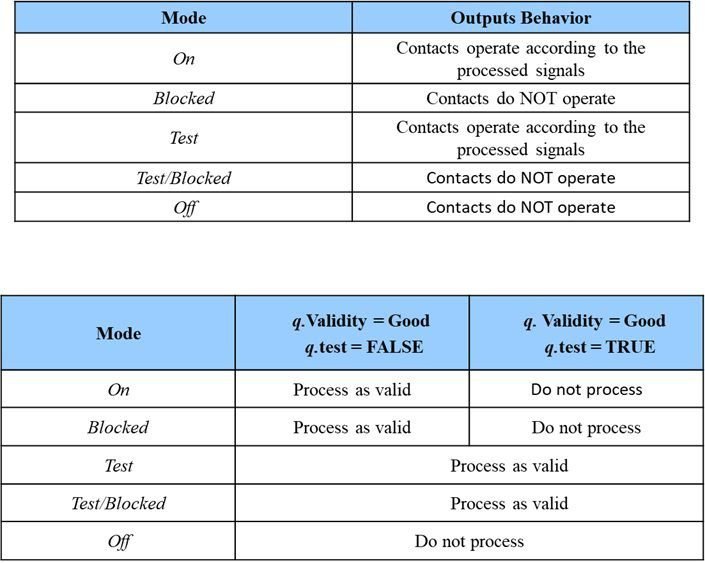
Each mode defines how the output contacts behave:
- On: contacts operate normally
- Blocked: contacts do not operate
- Test: logic processes signals, and outputs continue operating
- Test/Blocked: logic processes, but outputs are blocked
- Off: does not process
In practice, for testing in an energized substation, the safest state is Test/Blocked.
Interaction with the test bit
Processing also depends on the quality field received:
- In On or Blocked: data with test bit = TRUE is not processed;
- In Test or Test/Blocked: test data is accepted;
- In Off: nothing is processed.
Hierarchy matters
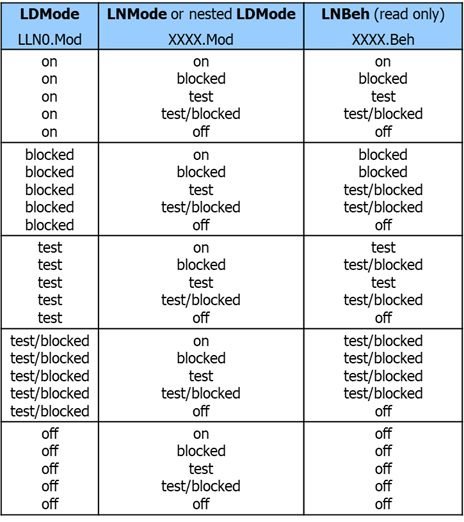
The IEC 61850 defines a hierarchy between Logical Device and Logical Node.
If a higher level is inTest, lower levels are restricted to compatible modes (Test,Test/BlockedorOff).
Essential best practices
- Block outputs during tests;
- Ensure that only IEDs in simulation process the test frames;
- Prepare the substation network for the additional traffic coming from the test devices, i.e., traffic with the simulation frames (duplicated bandwidth).
When properly applied, the simulation feature allows testing the complete logic without interrupting service, one of the great gains of digital substations.
Technical and Operational Benefits
- Reduction of SCADA/IED integration failures;
- Detailed diagnostics of data and communication structure;
- Identification of inconsistencies in configuration files;
- Increased efficiency in automation system testing.