





Virtualization is rapidly transforming the infrastructure of modern power systems. Technologies such as server virtualization, software-defined networking, cloud computing, and distributed architectures are becoming increasingly common in digital substations and control centers.
In this context, Virtual IEDs (Intelligent Electronic Devices) have emerged as one of the most significant advances in power system protection and automation.
However, one key question remains:
Can virtual IEDs truly replicate the behavior of physical protection relays?
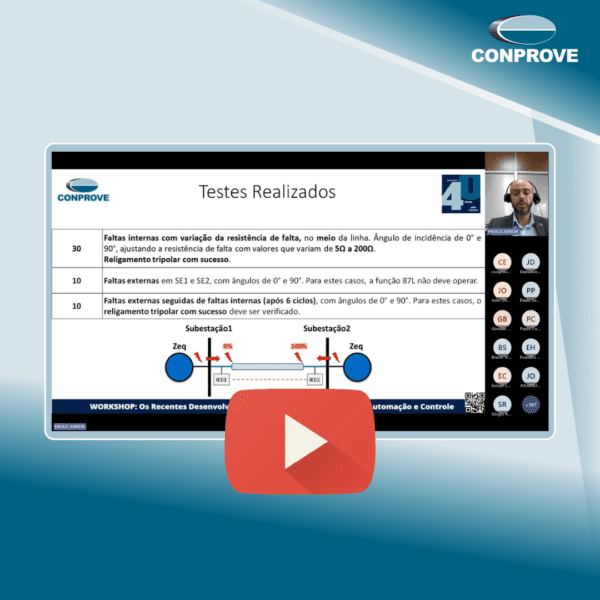
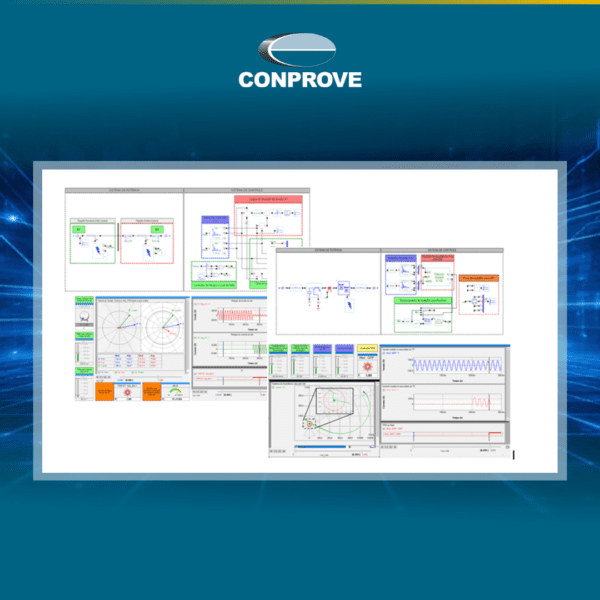
CONPROVE Engineering conducted comparative tests between physical and virtual IEDs using conventional and digital environments integrated with the PS Simul software. The evaluation focused on performance, protection algorithms, operational response, and functional behavior.
The results demonstrate the strong potential of virtualized architectures for the future of digital substations.
What Are Virtual IEDs?
IEDs are intelligent electronic devices used for:
- Protection
- Control
- Automation
- Supervision
- Monitoring
Traditionally, these functions run on dedicated hardware.
With virtualization, however, protection functions operate on software platforms hosted in:
- Virtual machines
- Containers
- Cloud infrastructure
- Industrial servers
This approach decouples software from dedicated hardware.
The Evolution of Digital Substations
Modern substations increasingly rely on technologies such as:
- IEC 61850
- Process Bus
- GOOSE
- Sampled Values
- PTP
- Industrial Ethernet
- Virtualization
- Centralized protection
Virtual IEDs are a natural step in this technological evolution.
Purpose of the Comparative Tests
The study aimed to determine whether:
- Virtual IEDs accurately reproduce physical IED behavior
- Protection algorithms are equivalent
- Operating times remain consistent
- Functional behavior is preserved
- Protection performance remains reliable
These aspects are critical before adopting virtualized protection in mission-critical applications.
Conventional Test Environment
The first scenario used a traditional protection system composed of:
- Two physical protection relays
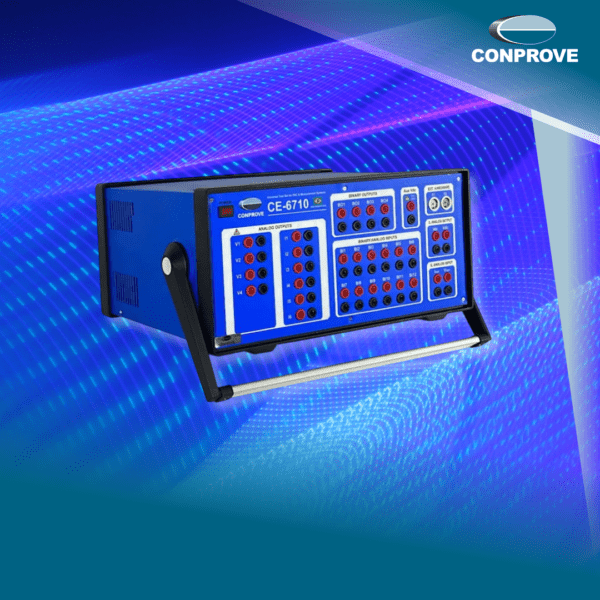
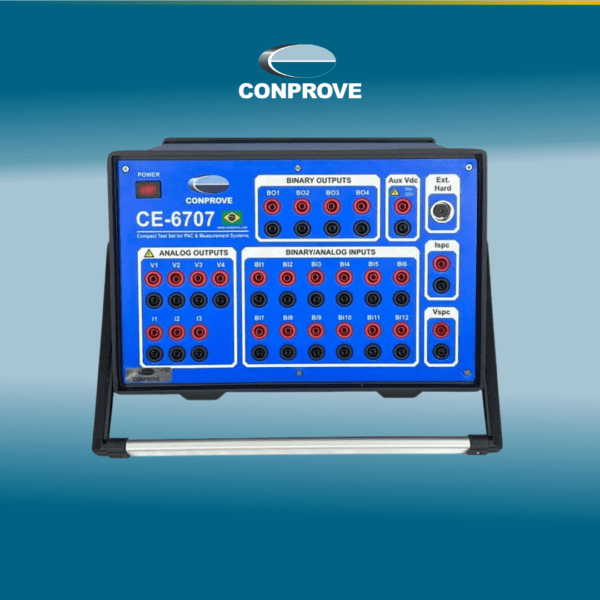
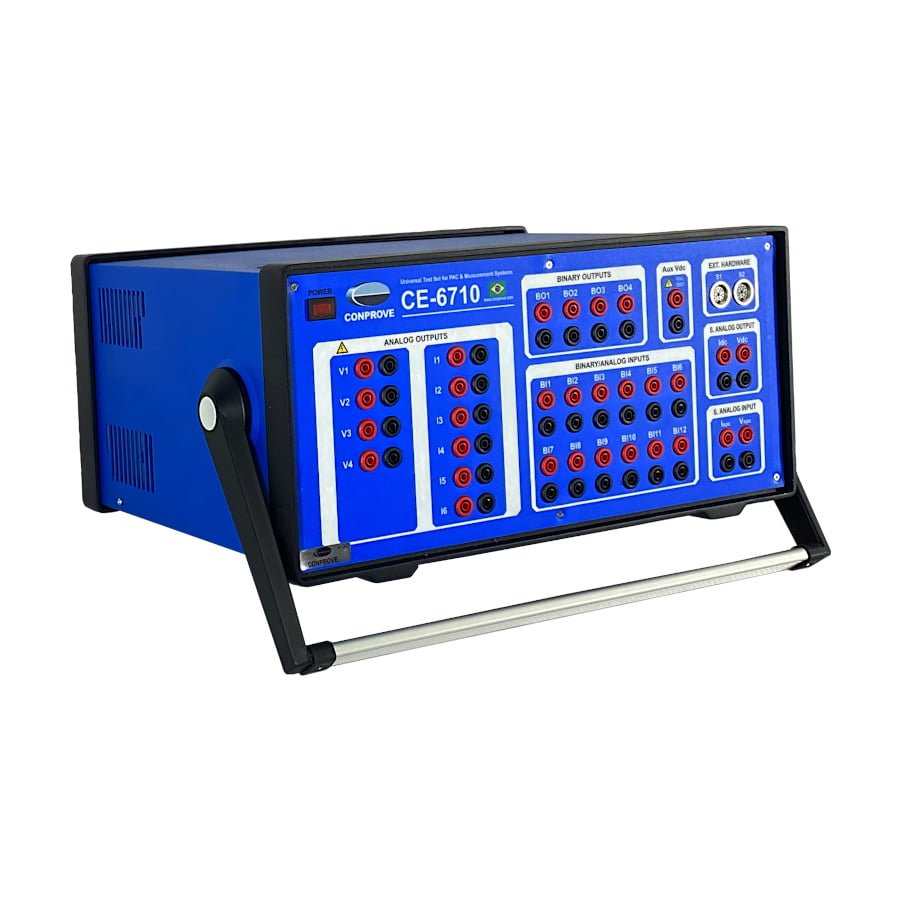
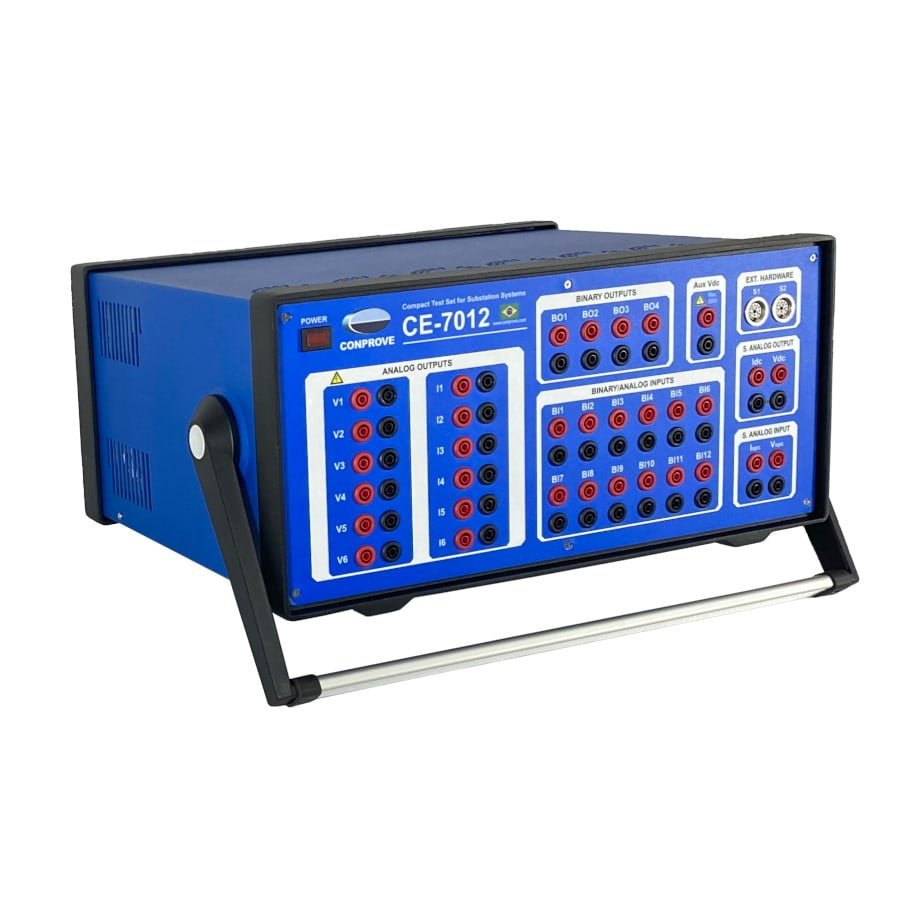
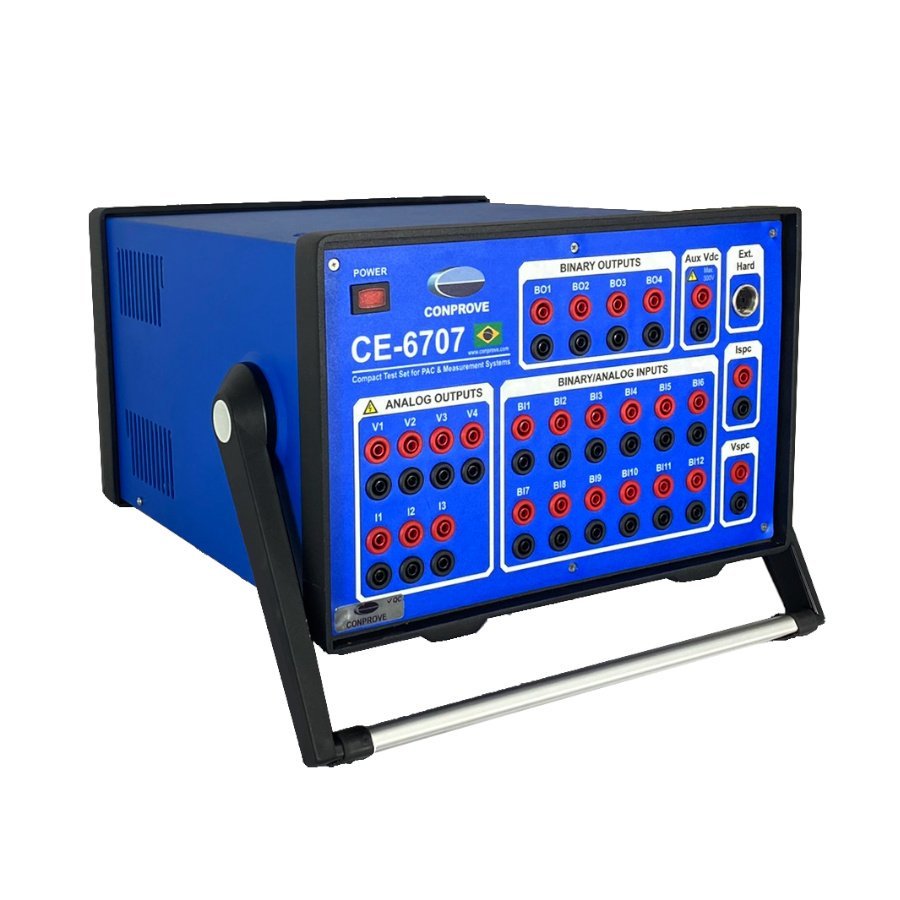
- A test set
- Conventional analog signals
- Transmission line protection applications
This represents today’s conventional substation architecture.
Virtual Test Environment
The second scenario included:
- Two virtual IEDs
- Network communication
- Cloud integration
- PS Simul interface
In this configuration, the virtual relays exchanged information digitally through the communication network.
The Role of PS Simul
PS Simul served as the power system modeling and simulation platform.
The software enabled:
- Power system modeling
- Electromagnetic transient simulation
- IED integration
- Protection testing
- Dynamic response analysis
The combination of simulation and virtualization created a highly realistic testing environment.
Virtual vs. Physical IED Performance
Several operational characteristics were analyzed, including:
- Protection algorithms
- Operating times
- Logic execution
- Digital communications
- System stability
- Network integration
The results showed a high level of equivalence between the physical and virtual environments.
Protection Algorithms
The comparison evaluated functions such as:
- Overcurrent protection
- Distance protection
- Directional protection
- Differential protection
- Ground fault protection
The objective was to verify that both environments produced equivalent calculations and protection decisions.
Digital Communications
The tests also evaluated:
- Ethernet communications
- Cloud connectivity
- Digital information exchange
- IED-to-IED communication
These capabilities represent an important trend in modern digital substations.
Benefits of Virtualization
Virtualized protection offers several advantages:
- Reduced hardware
- Greater operational flexibility
- Scalability
- Easier maintenance
- Lower costs
- Better system integration
It also enables centralized protection functions previously distributed among multiple devices.
Challenges
Virtualization also introduces technical challenges, including:
- Latency
- Time synchronization
- Cybersecurity
- Deterministic performance
- Real-time reliability
This is why comprehensive testing is essential before large-scale deployment.
IEC 61850 and Virtualization
IEC 61850 provides the foundation for virtualized protection systems by enabling:
- Standardized communication
- Multi-vendor interoperability
- Structured data models
- Distributed architectures
Virtual IEDs rely heavily on these capabilities.
Cloud Computing for Power Systems
The study also demonstrated cloud-based applications for power systems, enabling:
- Distributed environments
- Remote simulations
- Virtual integration
- Advanced testing
Cloud technologies are expected to become increasingly important in future digital substations.
The Future of Digital Substations
Industry trends point toward:
- Centralized protection
- Virtual IEDs
- Process Bus
- Virtual PACS
- Industrial data centers
- Edge computing
- Digital twins
These technologies increase flexibility while reducing dependence on dedicated hardware.
The Importance of Validation
Before virtual protection becomes mainstream, utilities must perform:
- Functional testing
- Performance testing
- Algorithm validation
- Latency evaluation
- Interoperability testing
These activities are essential for ensuring operational reliability.
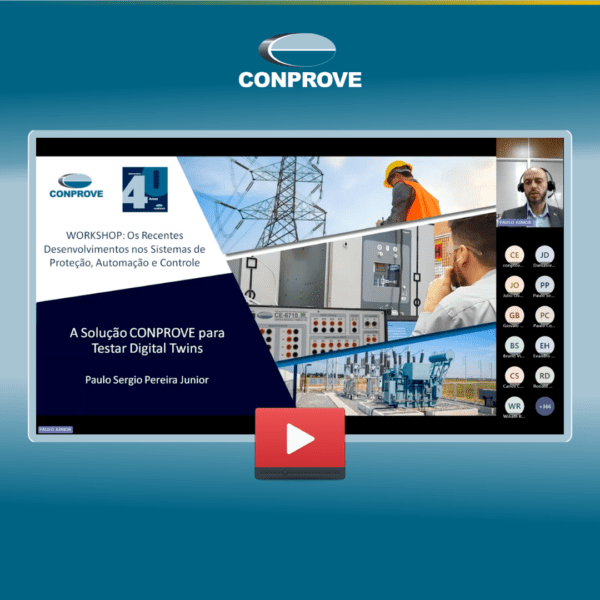
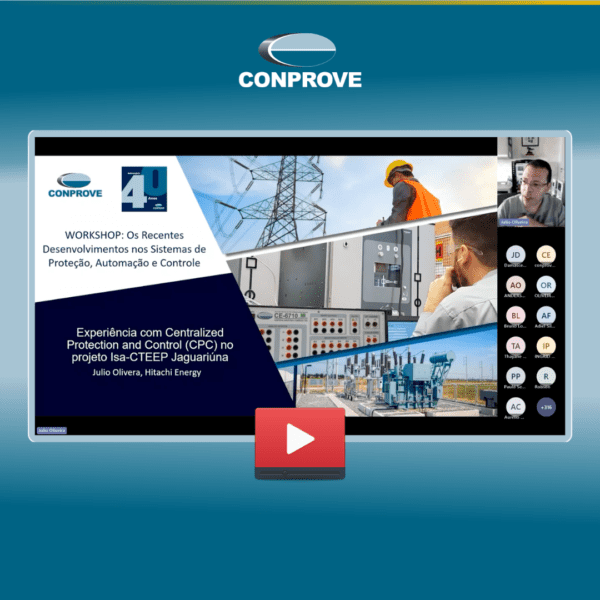
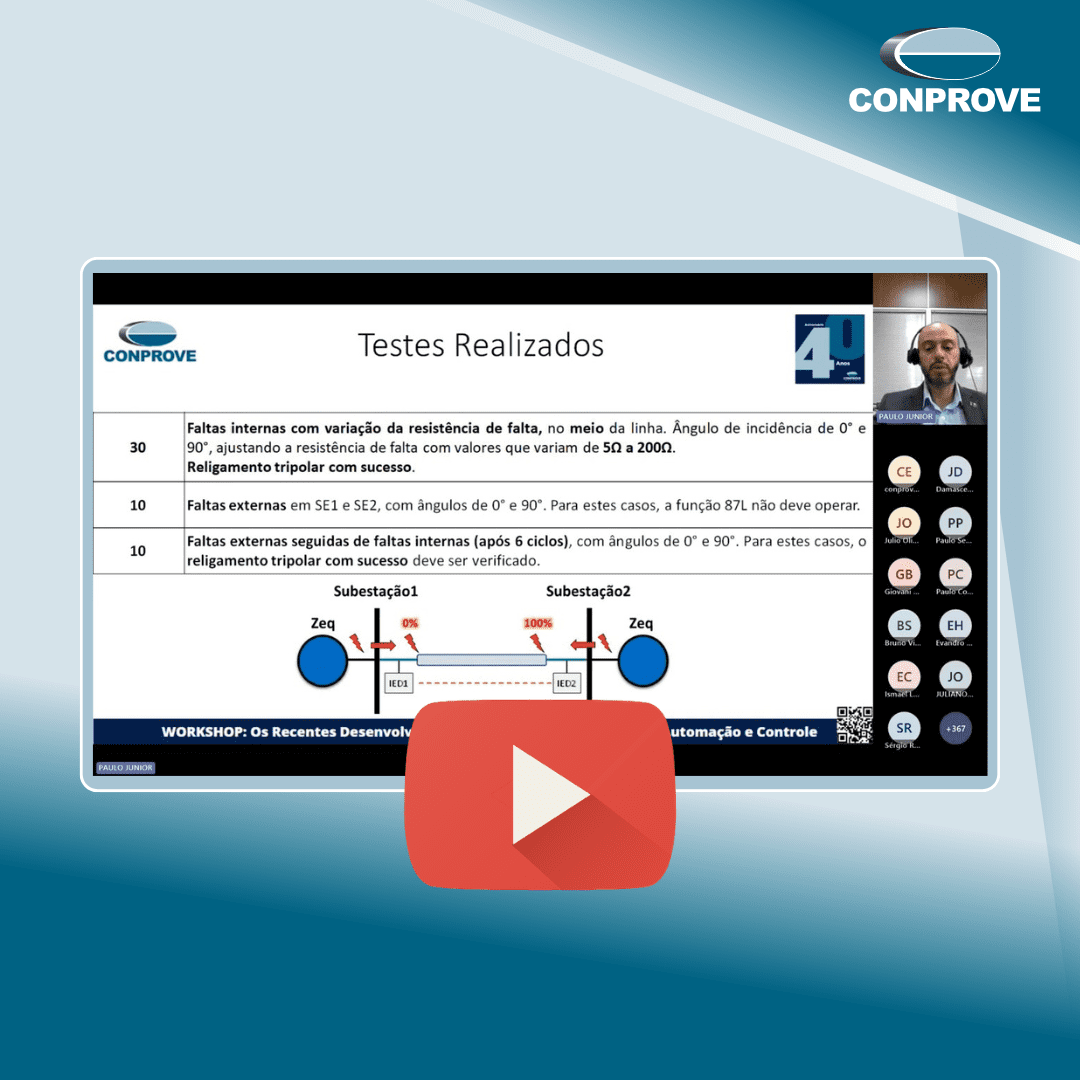
Watch the complete presentation:
Learn more about PS Simul: