




Testing and Monitoring of Communication in Power Systems
Testing Devices with the IEC 61850 Standard: GOOSE, Sampled Value, and Client-Server
The Digital Communication Revolution in the Power Sector
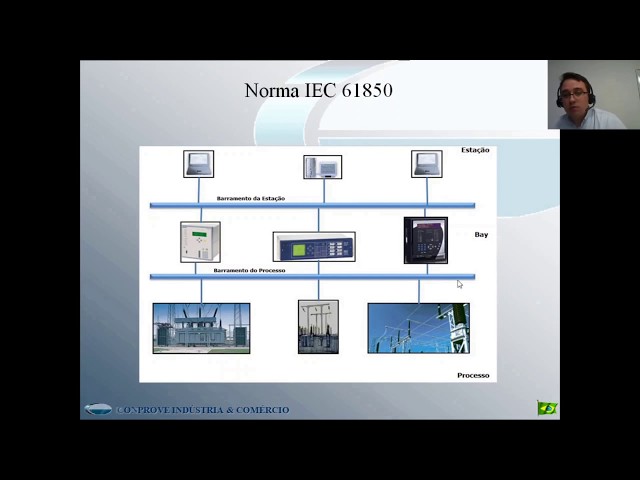
The IEC 61850 standard represents one of the greatest technological transformations ever observed in power system automation. By proposing a robust and flexible standardization for information exchange between equipment, the standard establishes a new communication paradigm, based on digital messages transmitted over Ethernet networks, eliminating the need for conventional physical wiring between automation devices.
This new communication model, structured with GOOSE (Generic Object Oriented Substation Event), Sampled Value (SV), and Client-Server (MMS) messages, enables a digital infrastructure capable of improving response speed, equipment interoperability, and operational efficiency in modern substations.
From Hardwiring to Network Traffic
Before IEC 61850 adoption, analog and digital signals were transmitted through point-to-point wiring, making installation, maintenance, and system expansion extremely costly and limited. With the introduction of standardized messages, current, voltage, status, and command signals started being digitally represented, traveling through local area networks (LANs) with specific protocols.
Client-Server Messages (MMS): used for reading and writing data in IEDs (Intelligent Electronic Devices), fundamental for communication between equipment and SCADA systems.
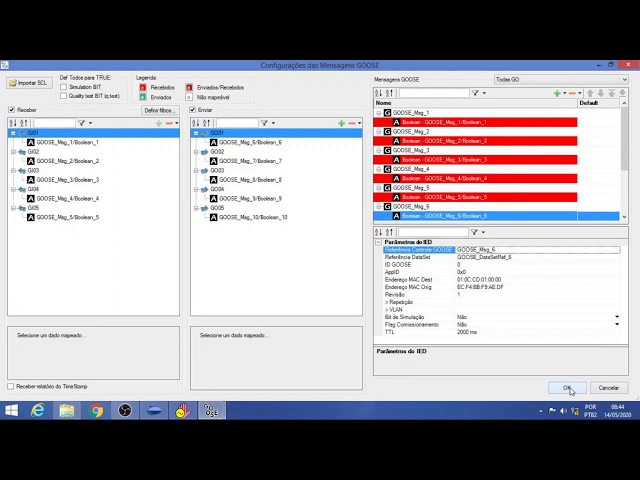
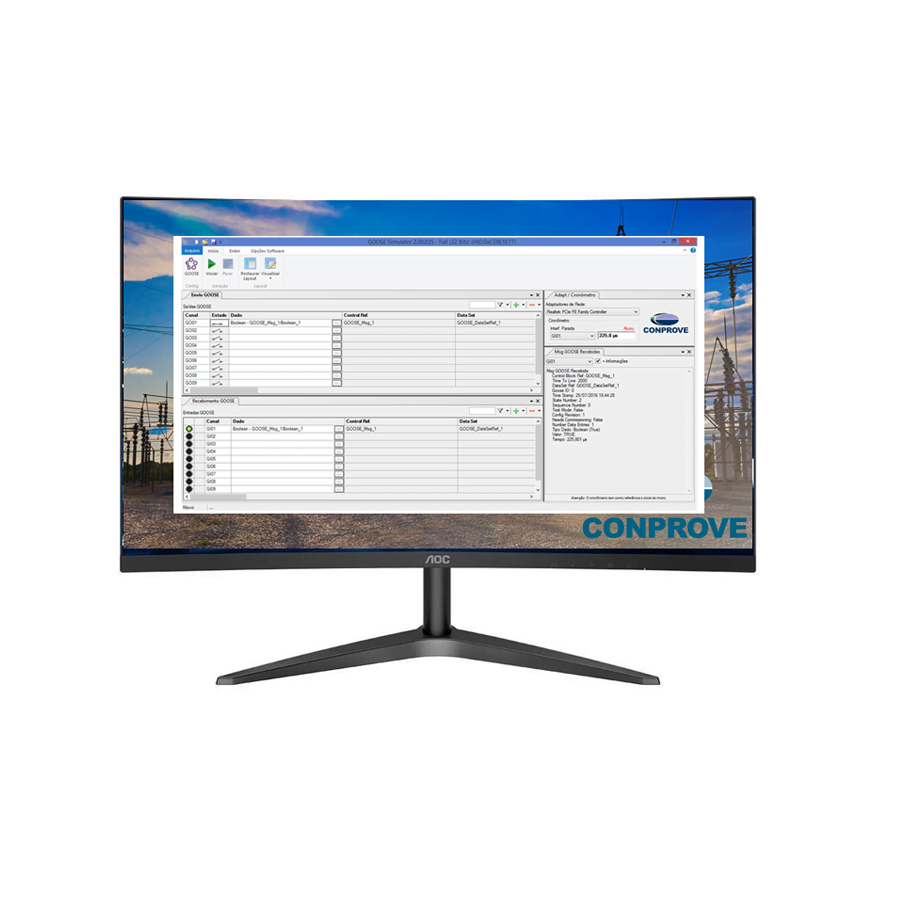
GOOSE Messages: designed for high-priority events, such as protection operations, enabling low-latency communication between devices.
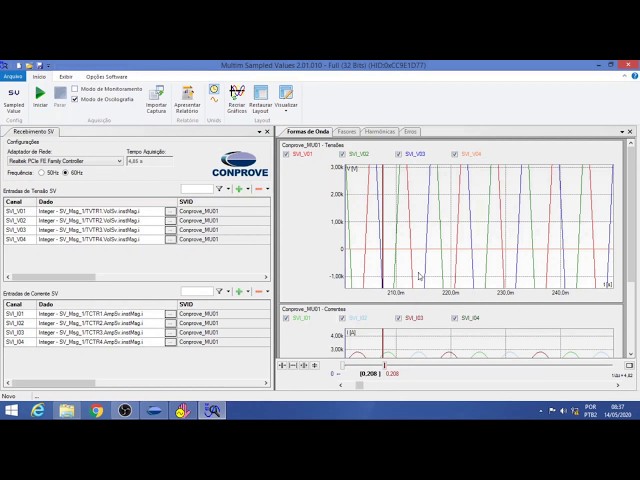
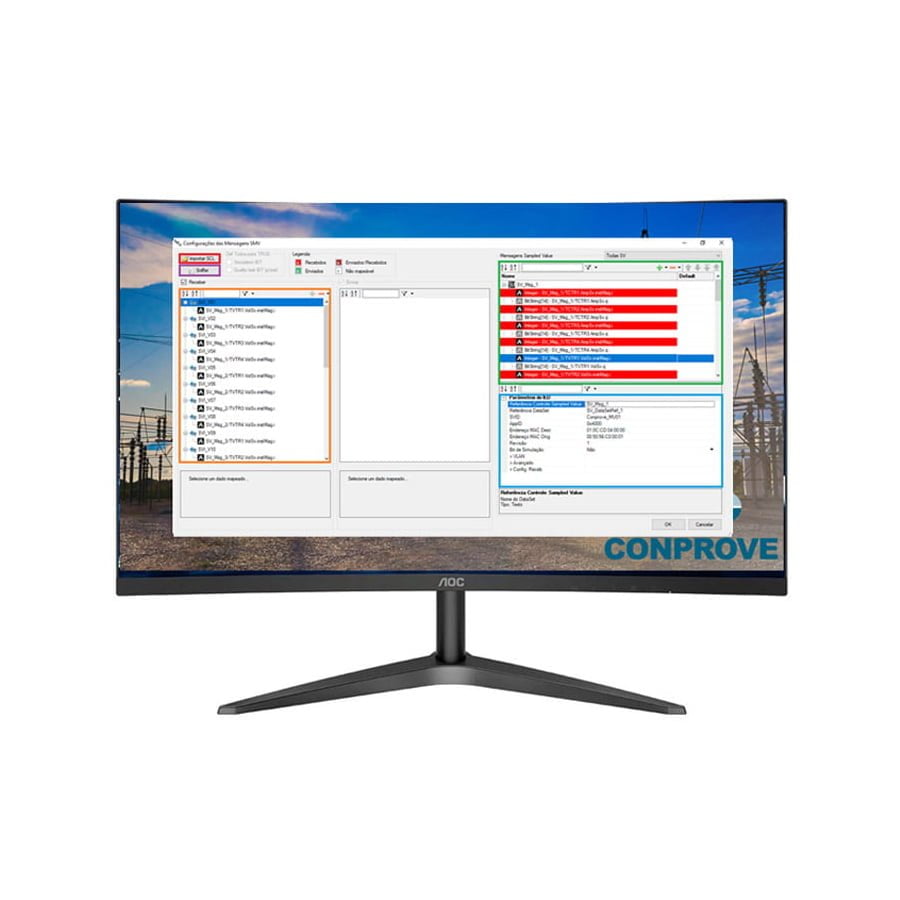
Sampled Value Messages: transport real-time sampled values of current and voltage, replacing analog instrument transformer signals.
New Challenges: Testing and Commissioning with IEC 61850
The migration to a digital architecture imposes a new approach to testing and validation of protection, control, and measurement systems. Unlike traditional systems, where tests focused on physical signals, in the IEC 61850 environment it is necessary to verify integrity, latency, and response of digital messages in real time.
Therefore, it is essential to use testing equipment compatible with IEC 61850, capable of simulating, monitoring, and analyzing IED behavior under GOOSE, SV, and MMS messages.
Conprove Solution: Universal IEC 61850 Testers
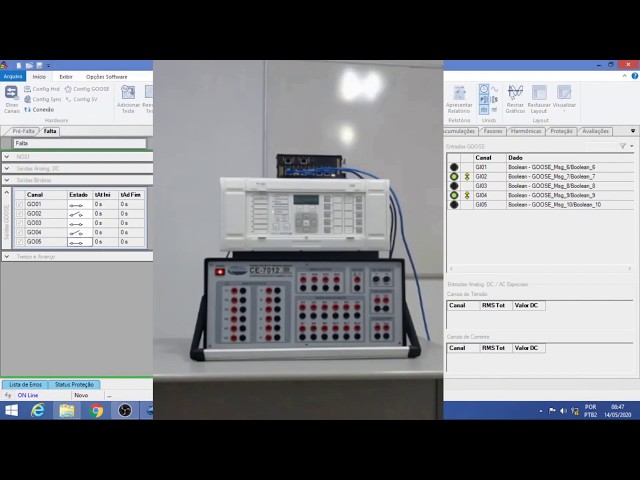
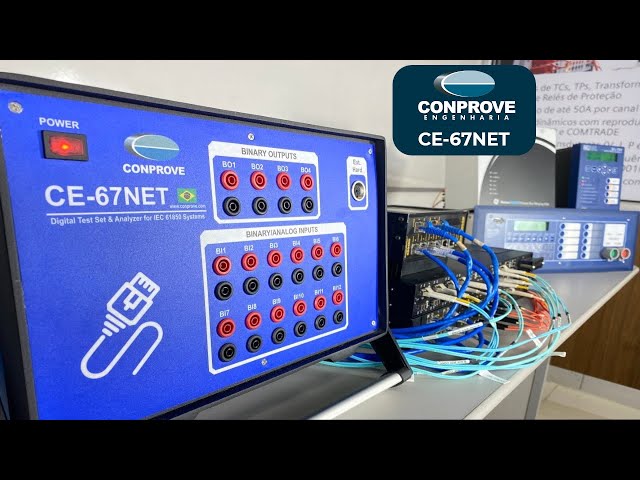
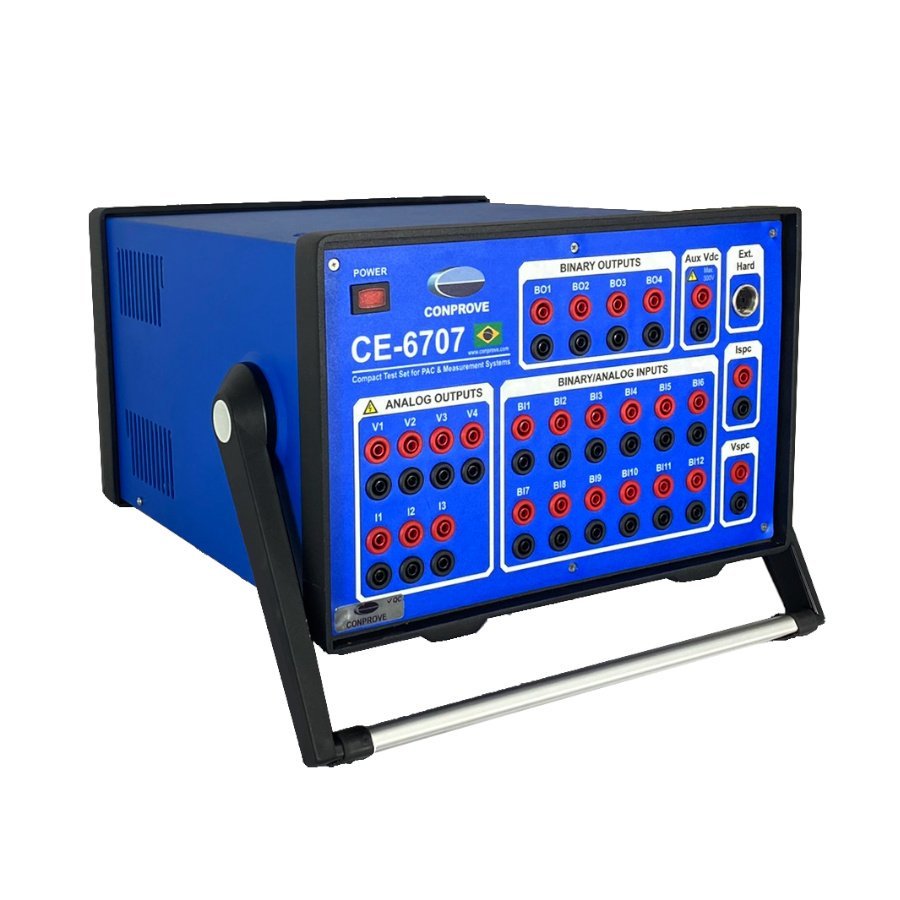
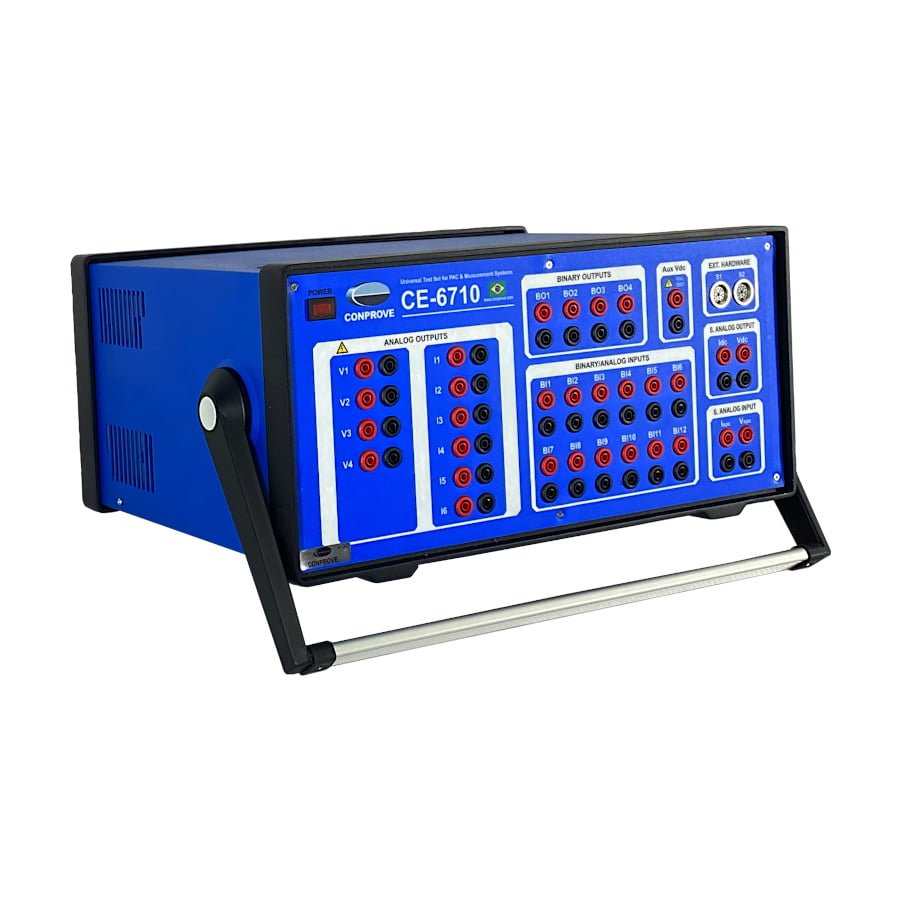
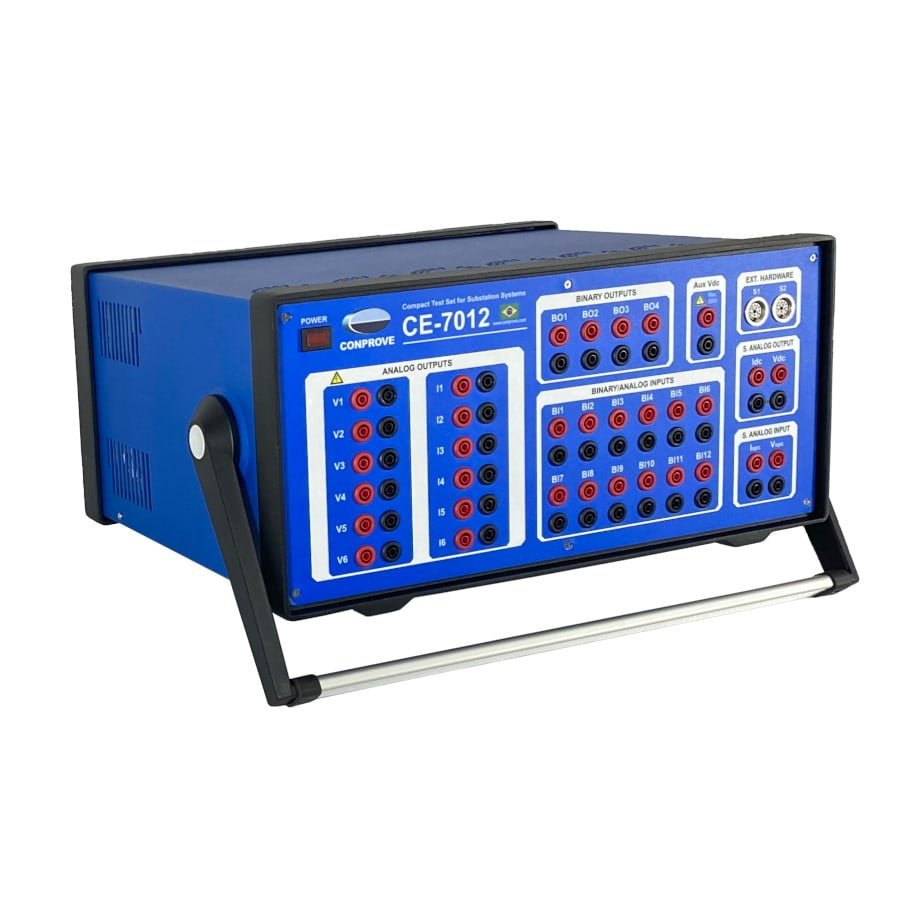
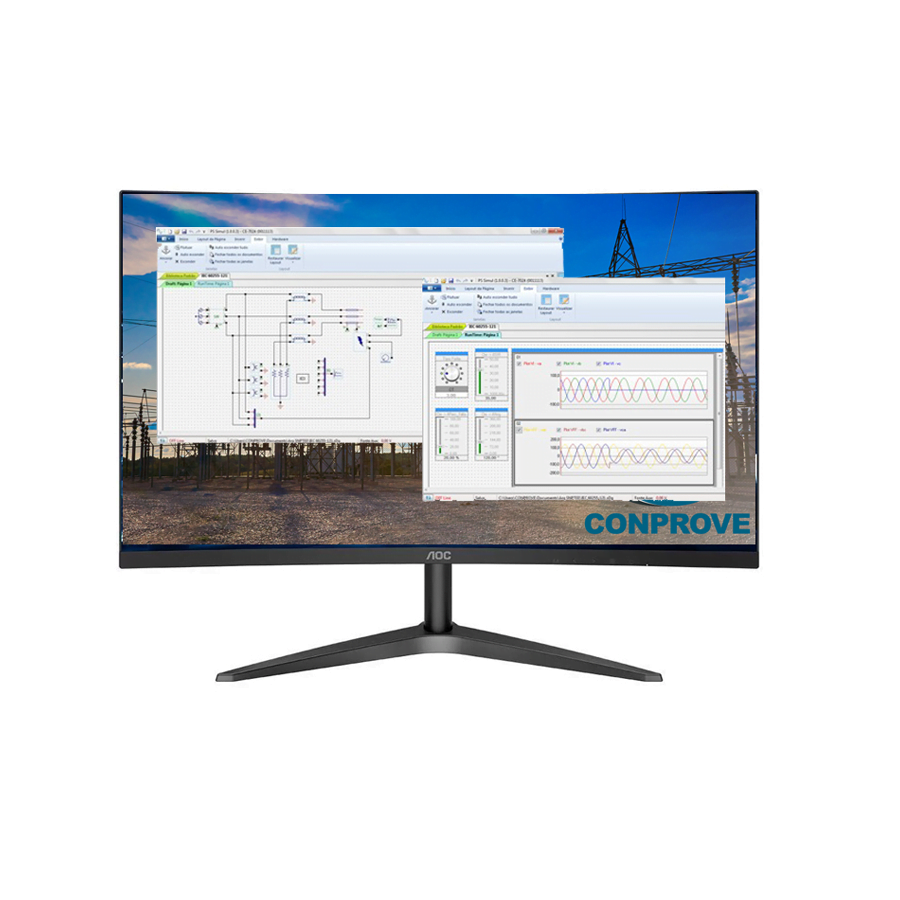
Aligned with market needs, Conprove developed a line of universal testers that incorporate full compatibility with IEC 61850. Equipped with intuitive software and user-friendly graphical interfaces, Conprove testers enable complete and reliable testing of digital devices.
Equipment Features:
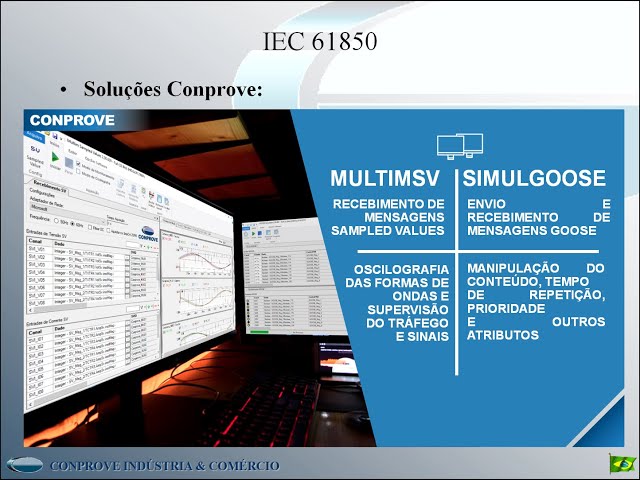
Generation of GOOSE, SV, and MMS messages.
Reception and analysis of messages with real-time monitoring.
Automated testing routines for commissioning and predictive maintenance.
Compatibility with multiple IED manufacturers.
Benefits of the Conprove Solution:
Reduced time and cost in digital substation commissioning.
Guaranteed compliance with IEC 61850 requirements.
Increased test reliability and traceability.
Improved operational safety through precise testing.
Easy operation with graphical tools.
Technical training and specialized support.
Typical Applications
Commissioning of protection and control systems in digital substations.
Verification of interoperability between IEDs from different vendors.
Latency and performance analysis of GOOSE and SV messages.
Integration testing between IEDs and SCADA systems via MMS.
Simulation of events and operational contingencies.
IEC 61850 Network Monitoring and Diagnostics
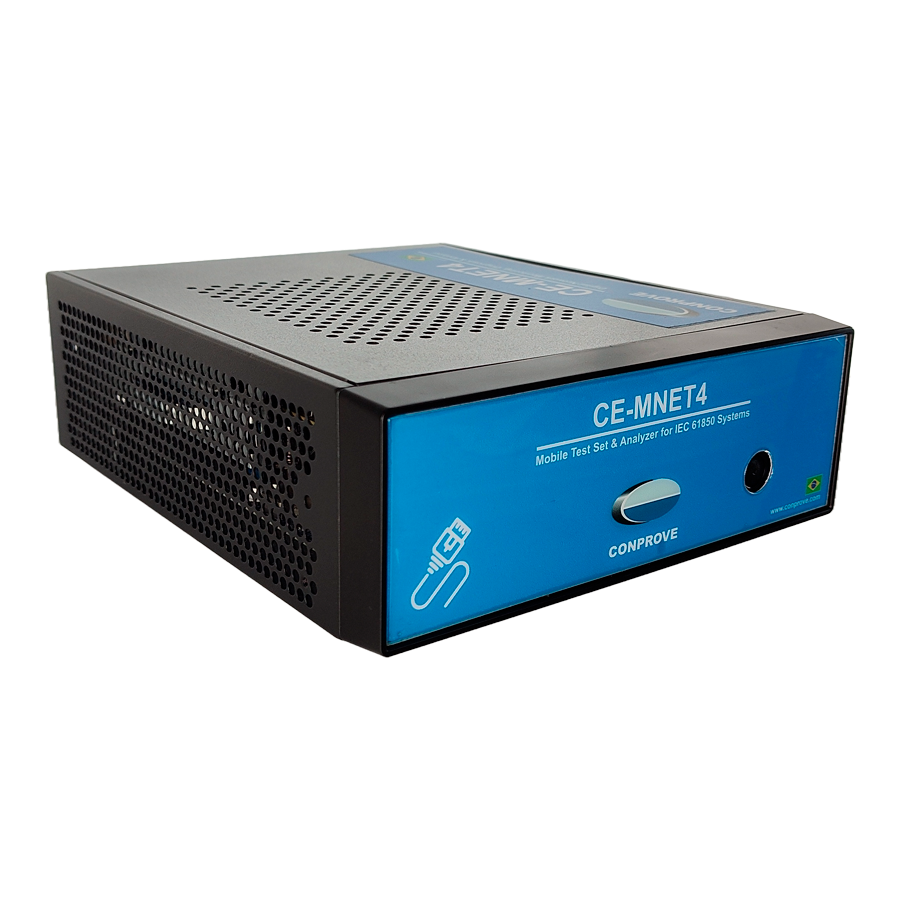
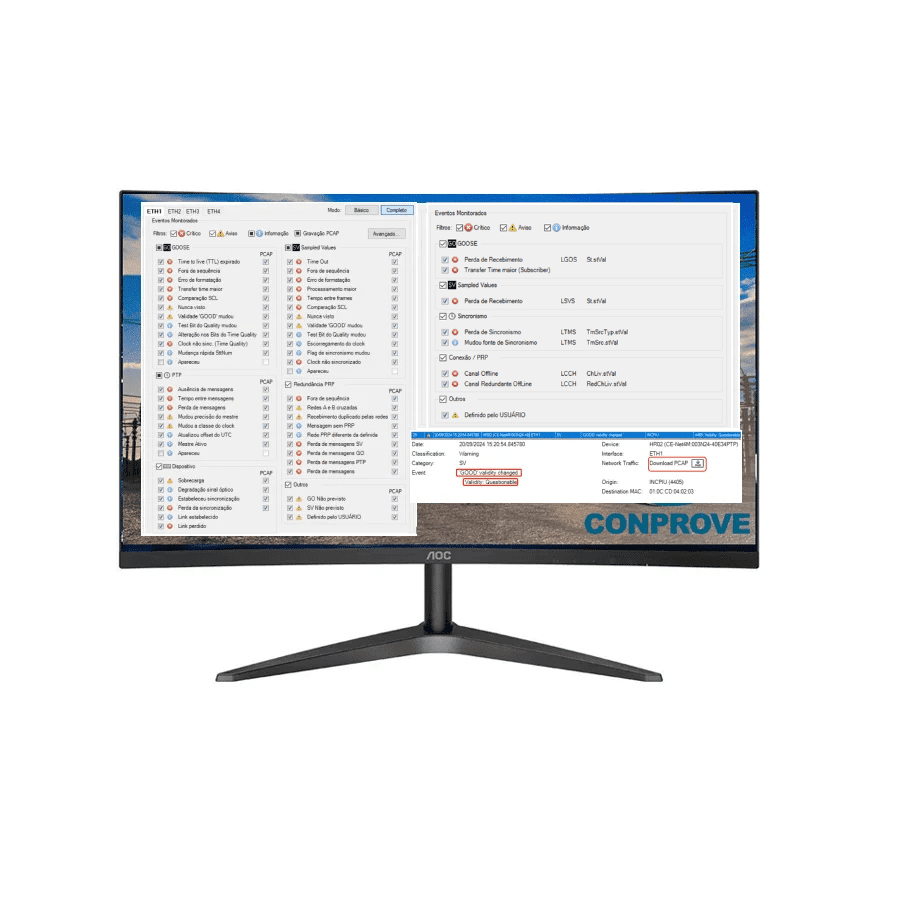
The CONPROVE system for communication network diagnostics and monitoring in digital substations is available in two versions: CE-RNET4 (rack) and CE-MNET4 (portable).
It meets the minimum (and beyond) requirements described in ONS Submodule 2.11 – Item 7.
Operating Modes:
SCL Validation Mode: compares imported SCL with network traffic.
Unexpected Mode: identifies unplanned traffic according to SCL file.
Statistics Mode: analyzes GOOSE and SV traffic.
Supervision / Monitoring Mode: detects network errors through supervision events, using a hybrid method (sniffer + MMS).
Testing with MUs and LPITs
IEC 61850 testing requires tools that evaluate the entire protection chain—from LPITs and conventional instrument transformers to MUs, IEDs, and circuit breakers.
Critical aspects include:
Linearity, Frequency Response, Amplitude/Angle Accuracy, Error Monitoring, Statistical Time Monitoring, Synchronization Monitoring.
To ensure reliable MU and LPIT operation, the test set must provide signal injection, SV subscription, diagnostics, oscillography, phasor diagrams, error evaluation, and detailed reports.
Conprove: National Technology with International Excellence
With solutions widely used by utilities, industries, and research centers, Conprove reaffirms its position as a leading provider of automation and testing tools for power systems.
🔗 Learn more: https://conprove.com/