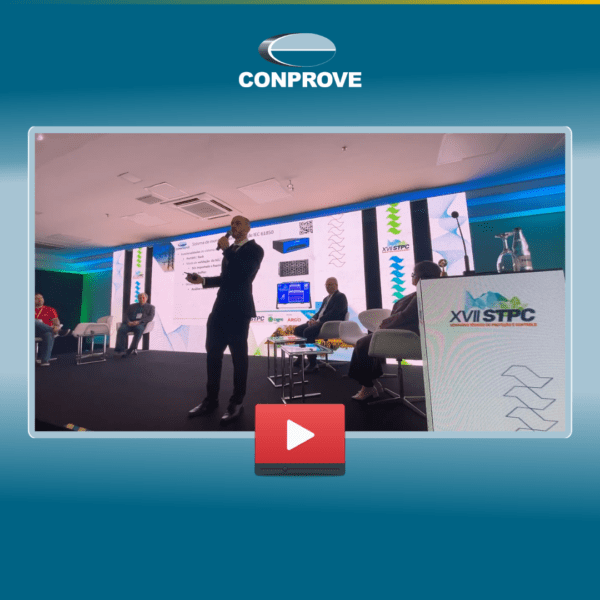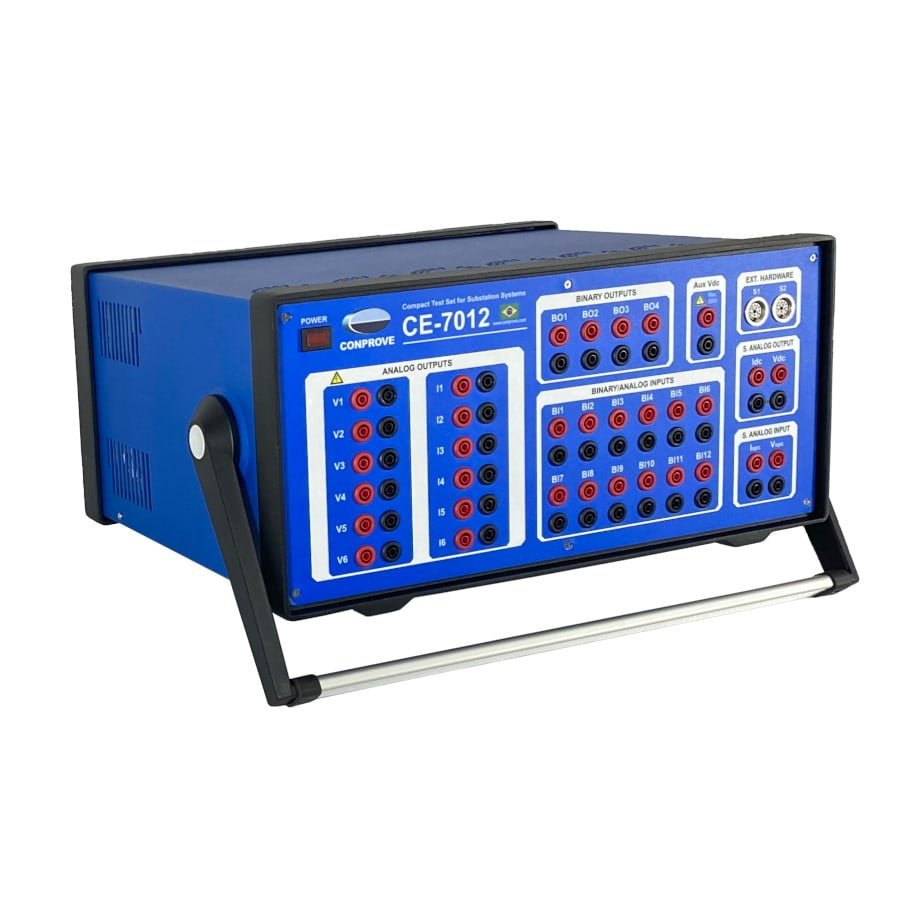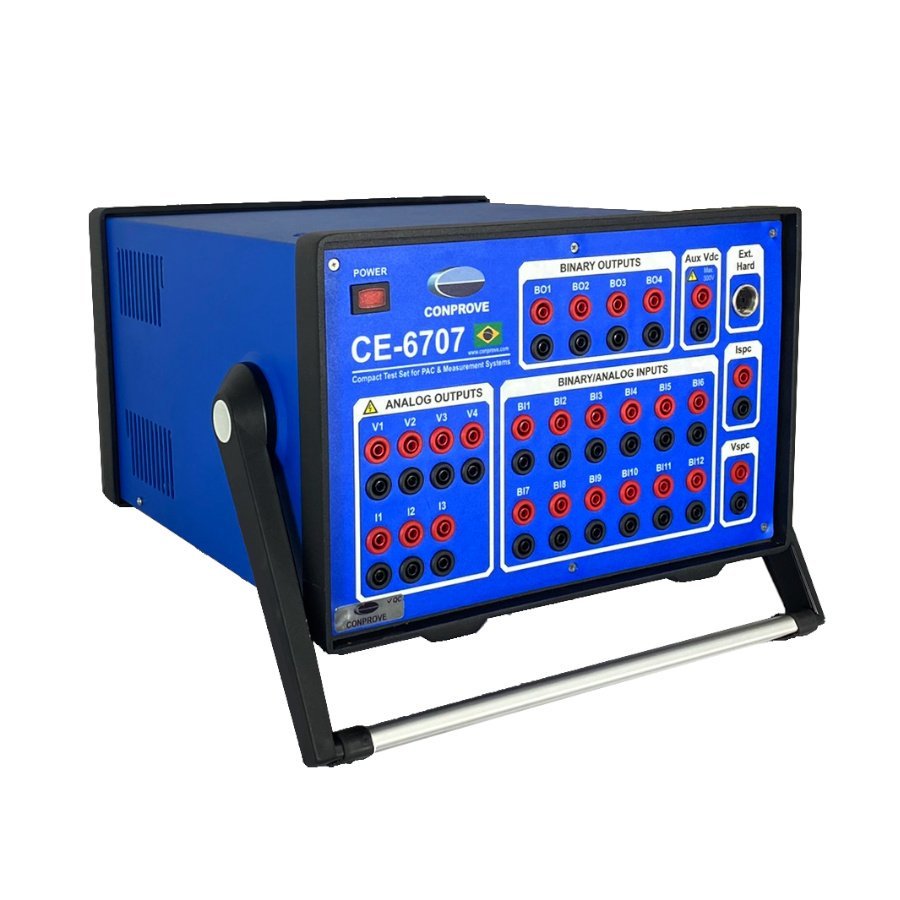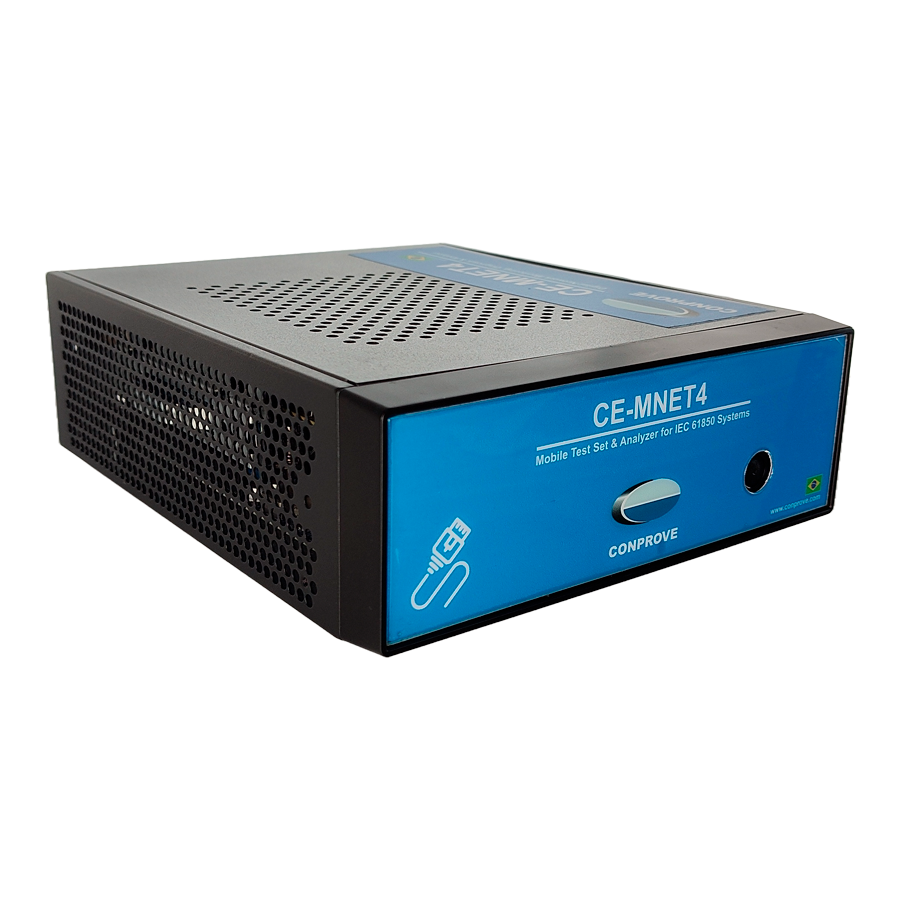





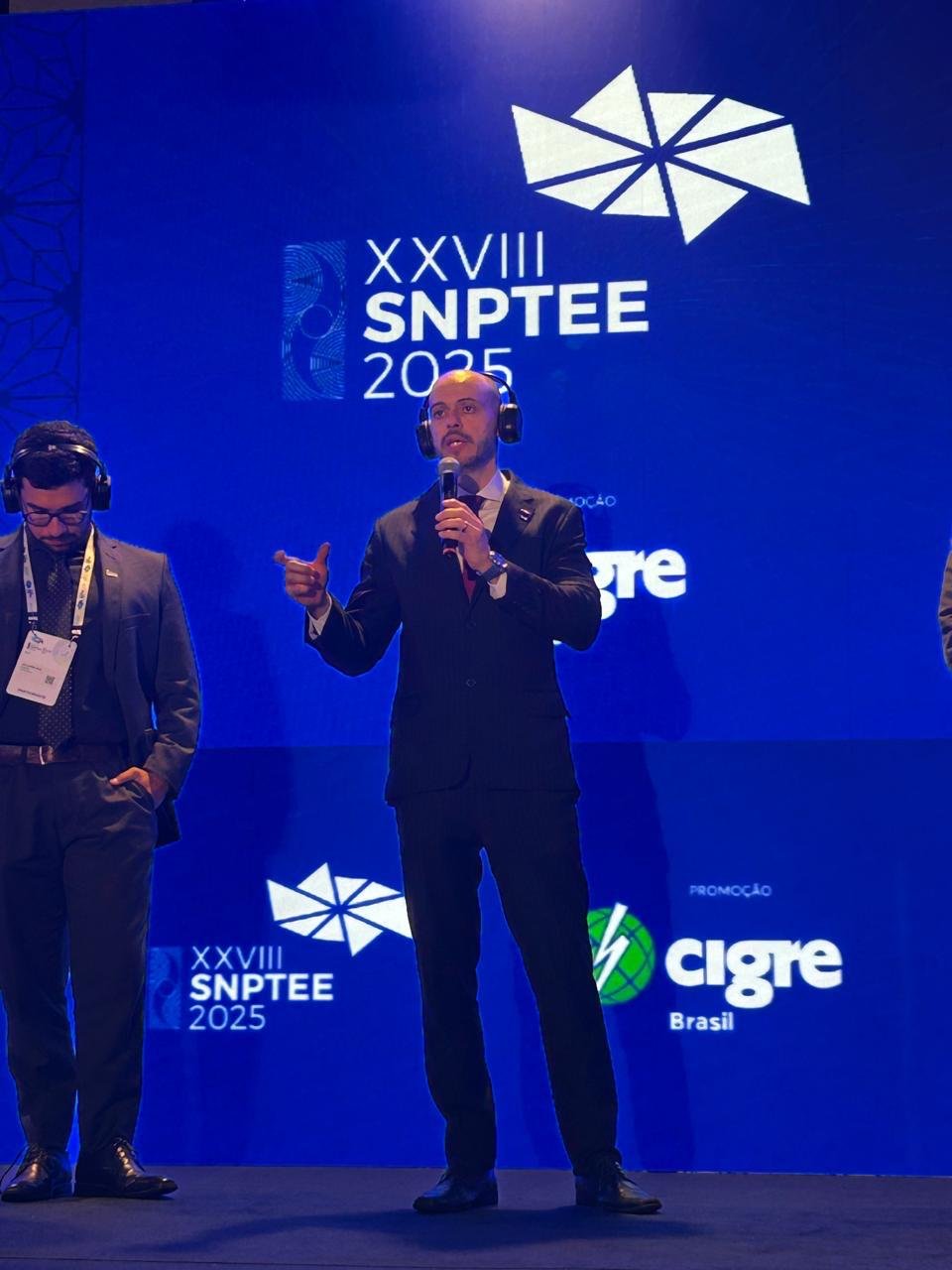
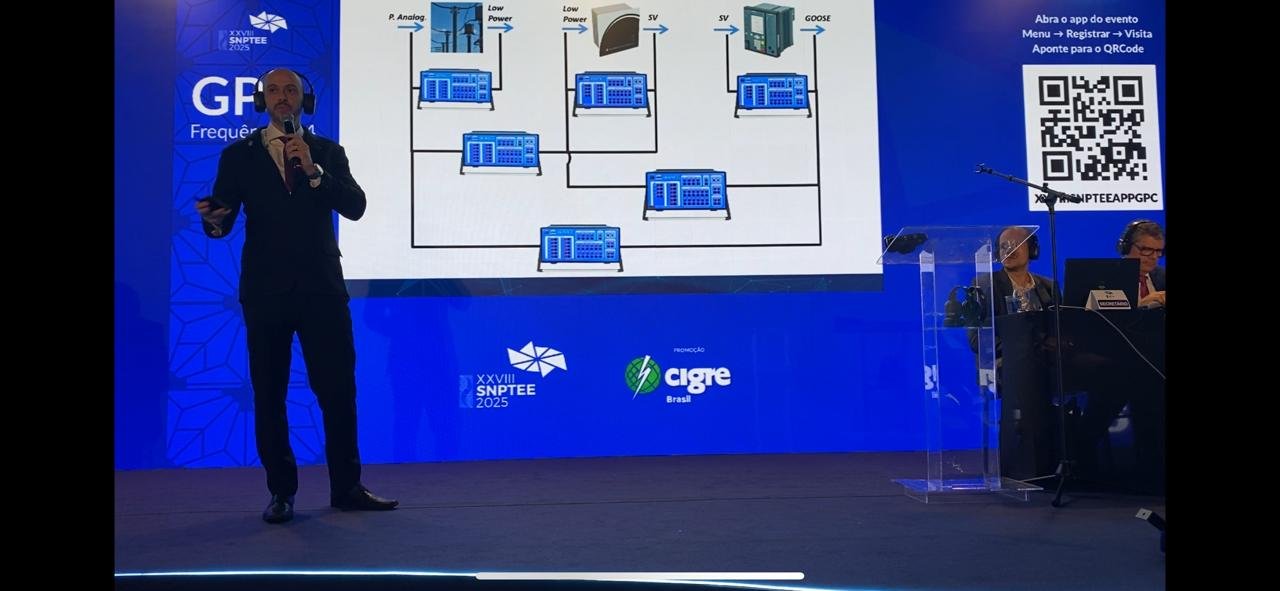
Conprove participated in the XXVIII National Seminar on Electric Power Generation and Transmission (SNPTEE) with the presentation of the technical paper “Secondary Injection Testing in Merging Units Considering the Use of Low Power Instrument Transformer Technology (LPITs),” developed within the Study Group on Protection, Measurement, Control, and Automation in Power Systems (GPC).
Technological advancement in protection and automation systems
The evolution of Protection, Automation, and Control Systems (PACS) driven by the IEC 61850 standardtransformed the digital substation landscape worldwide. Interoperability among IEDs (Intelligent Electronic Devices) from different manufacturers and the use of advanced technologies, such as Precision Time Protocol (PTP), became essential elements to ensure performance, synchronization, and security in network operation.
In this context, the use of Low Power Instrument Transformers (LPITs) and Merging Units (MUs)represented a significant advancement in the acquisition and transmission of current and voltage signals in digital format through Sampled Values (SV).
Study objectives
The paper aimed to demonstrate the effectiveness of secondary injection testing in Merging Units utilizing LPITs, addressing the behavior of these devices under different operating conditions and the precision of samples transmitted via fiber optic.
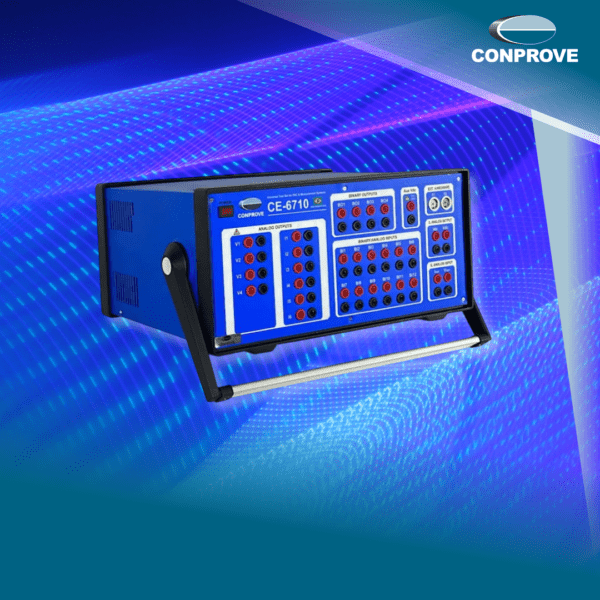
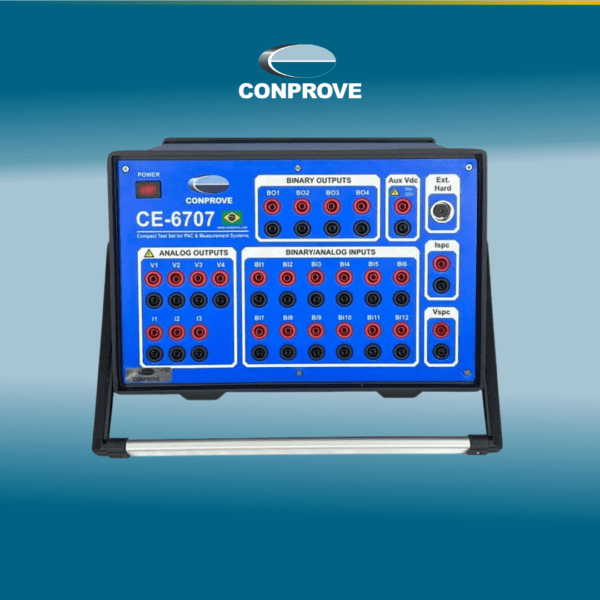
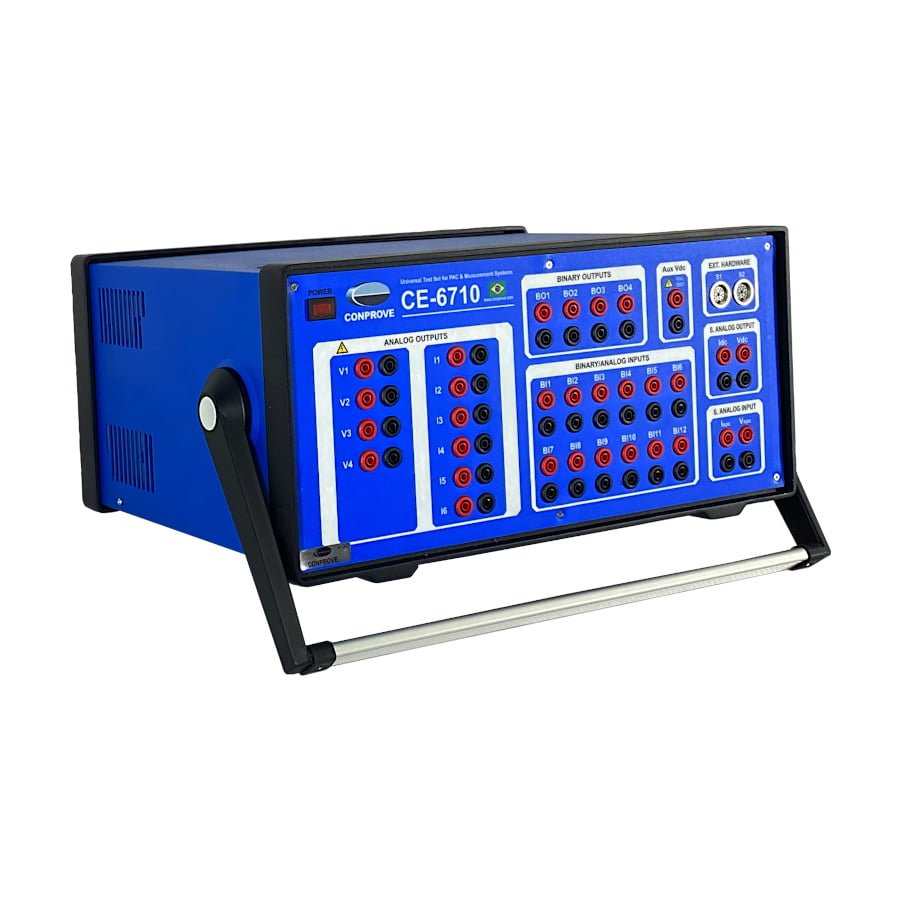
Closed-loop testing was performed, with low-voltage signal injection simulating LPIT outputs based on Rogowski coils and capacitive dividers. The Merging Unit response was monitored directly by the Conprove test set, enabling analysis of:
- Linearity and integrity of messages
- Interval between SV frames and digitalization time
- Time synchronization via PTP
- Amplitude and phase precision
Contribution to the power sector
The results reinforced the reliability of LPIT technology and the importance of interoperability testing in IEC 61850–based systems, directly contributing to the evolution of digital substations in Brazil and worldwide.
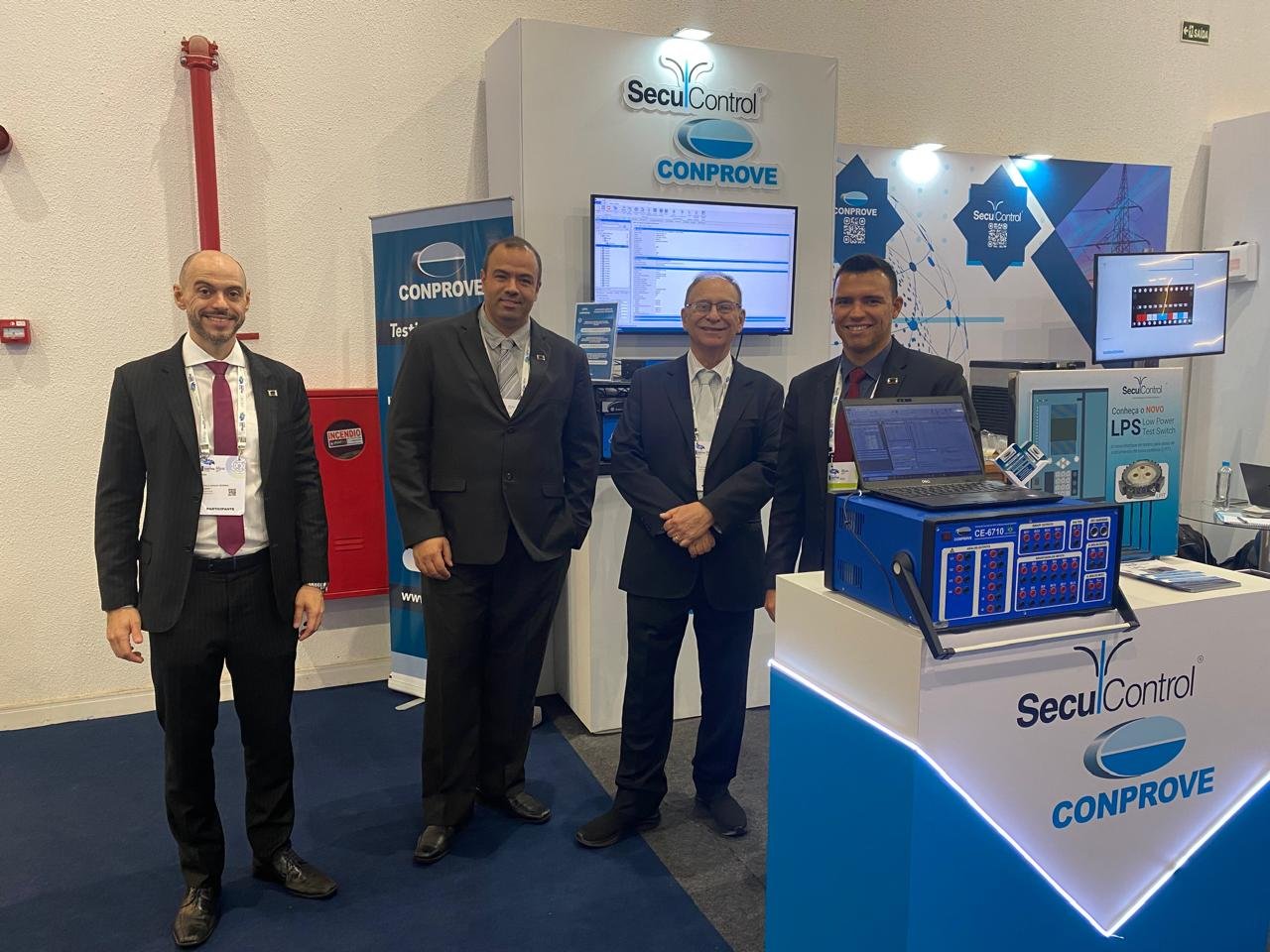
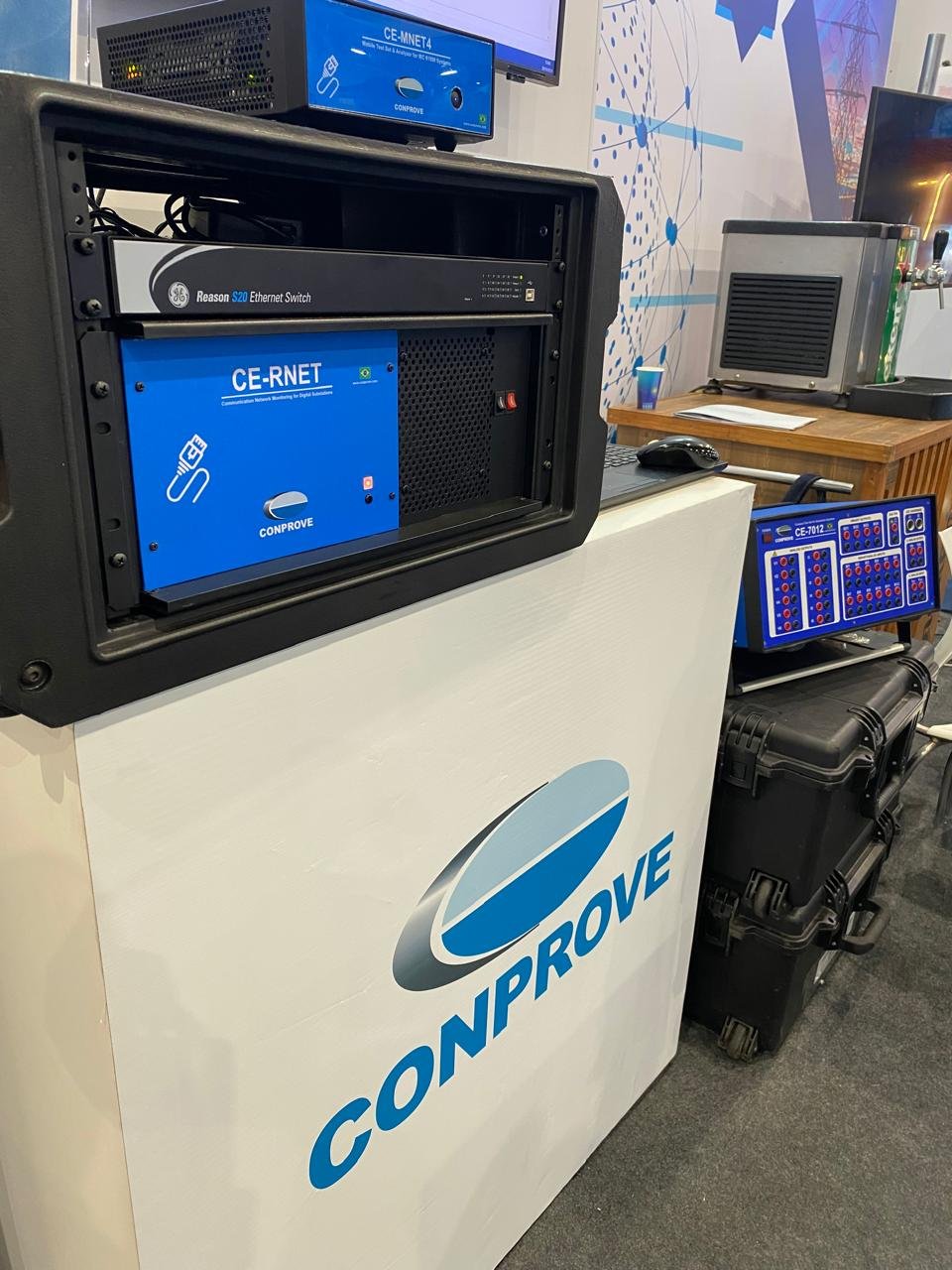
Conprove remained committed to developing advanced testing and monitoring solutions, supporting the digital transformation of the power sector through innovation, quality, and national technology.