




Protection using Traveling Waves (TW) is gaining increasing ground in power systems for a simple reason: it works with extremely fast phenomena, allowing for fault detection and location with high precision in the time domain. However, along with this evolution comes a significant technical challenge: how to reliably test and validate an IED with TW functions?
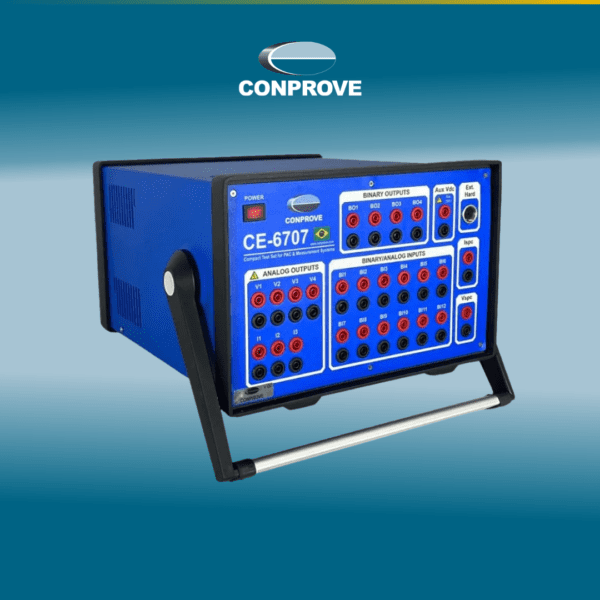
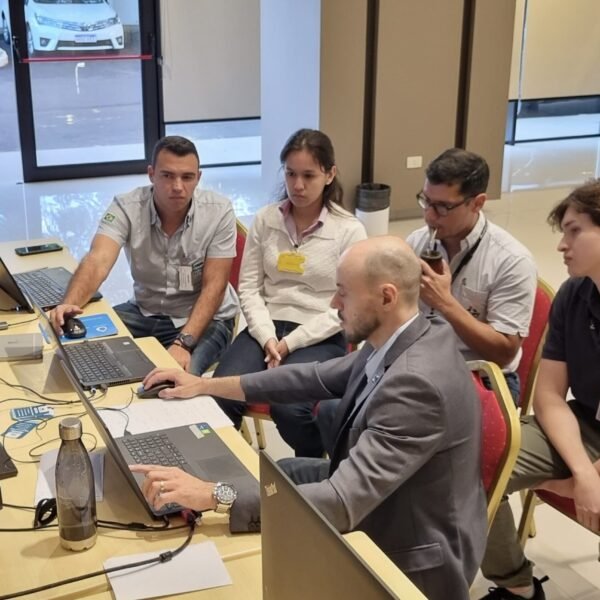
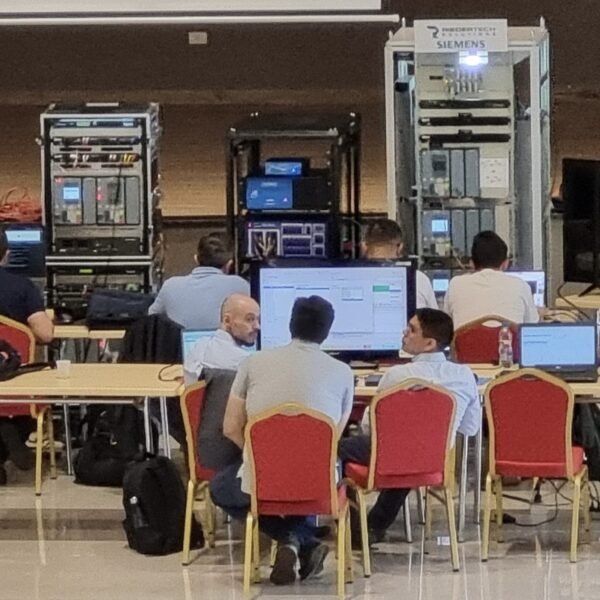
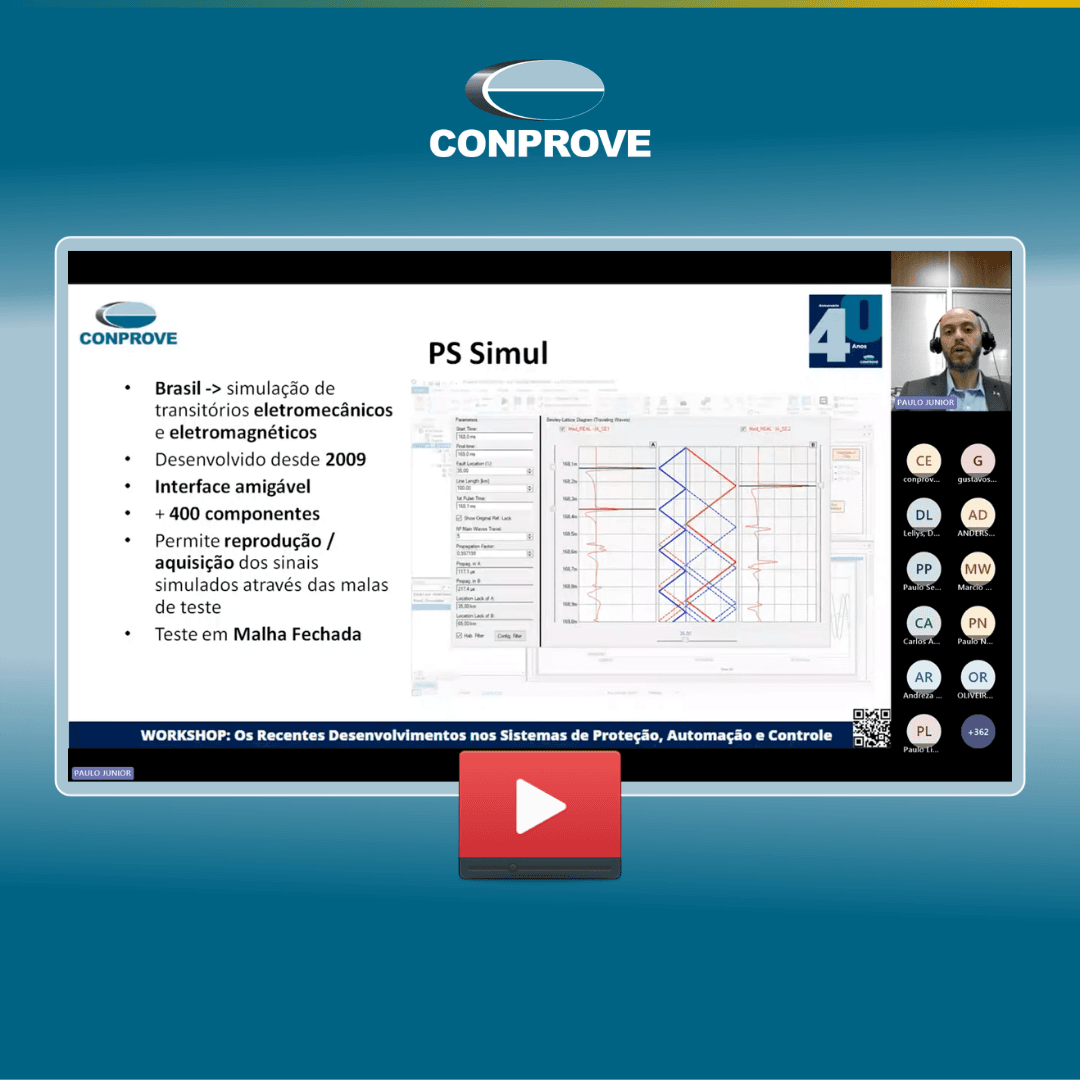
In the video presented by Paulo Jr., Conprove details the methodology used for Traveling Wave testing with the CE‑TW1, showing how the combination of a test set and the CE‑TW1 allows for the reproduction of fast transients in the laboratory with fidelity and repeatability.
🎥 Watch the video:
Why does testing Traveling Waves require a different methodology?
In conventional protection, the focus is on steady-state behavior or transients that are less time-sensitive. In Traveling Waves, small temporal deviations and subtle differences in waveforms can alter the relay algorithm’s result, impacting:
- Actuation times and logic accuracy
- Validation of detection criteria
- Performance in fast and complex events
- Commissioning reliability
Therefore, TW tests need to be performed with an approach that guarantees consistent reconstruction of the event, without “simplifications” that mischaracterize the phenomenon.
The Heart of the Methodology: Superposition Theorem
The basis of the method presented is the Superposition Theorem, applied to reconstruct the signal that the IED must “see” during the fault.
In practice, the test follows a very objective logic:
- There is a real calculated signal (voltage and current) representing the fault event of interest.
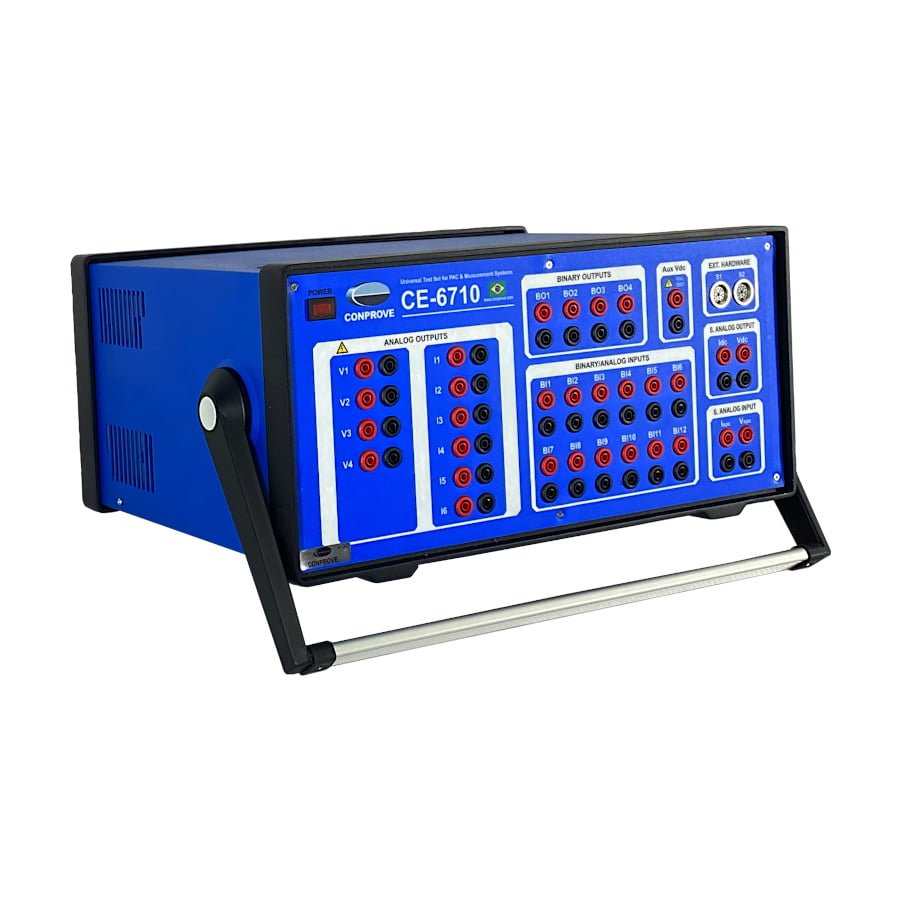
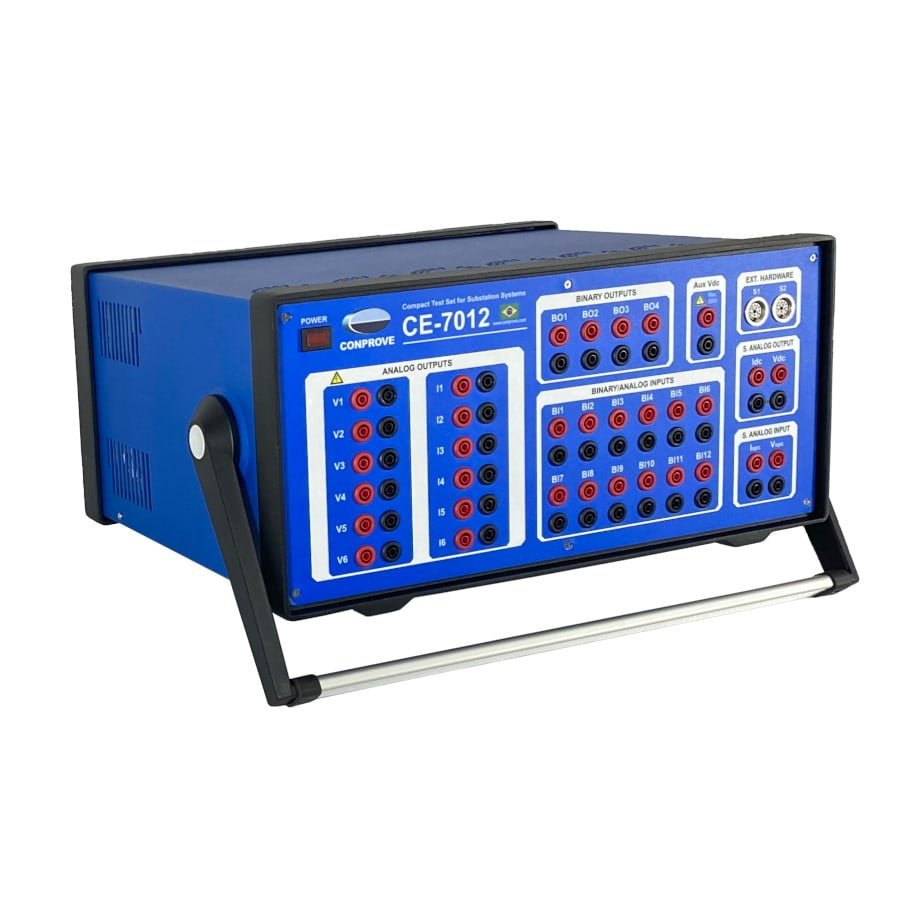
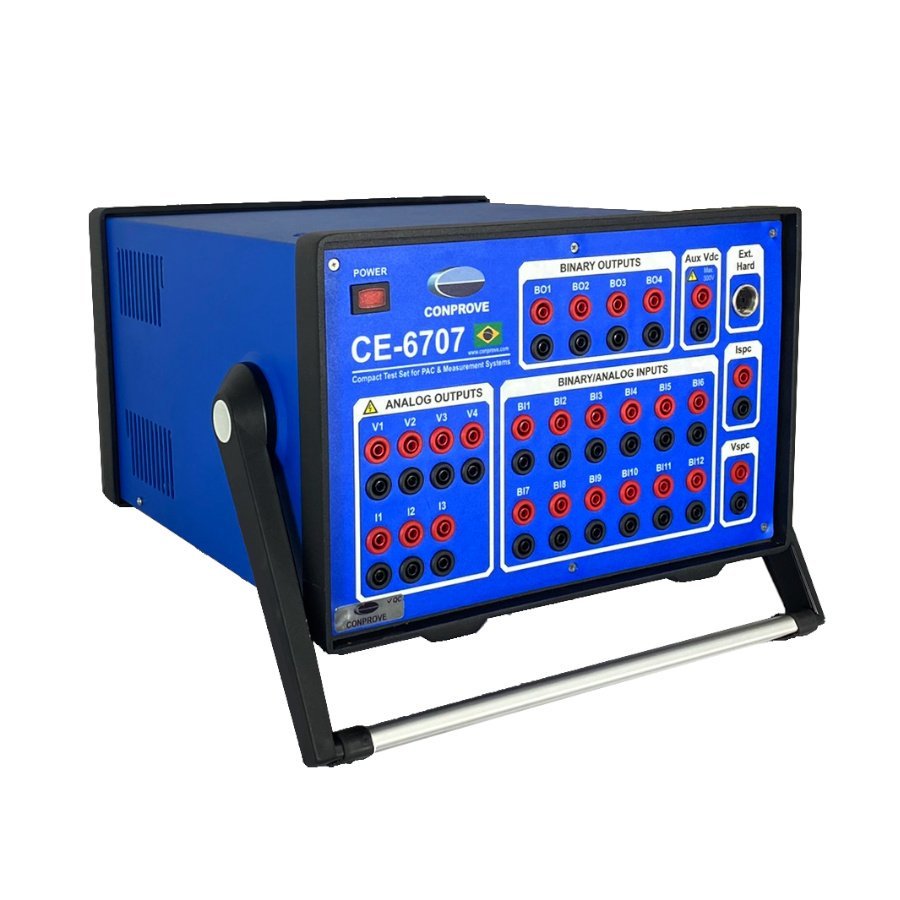
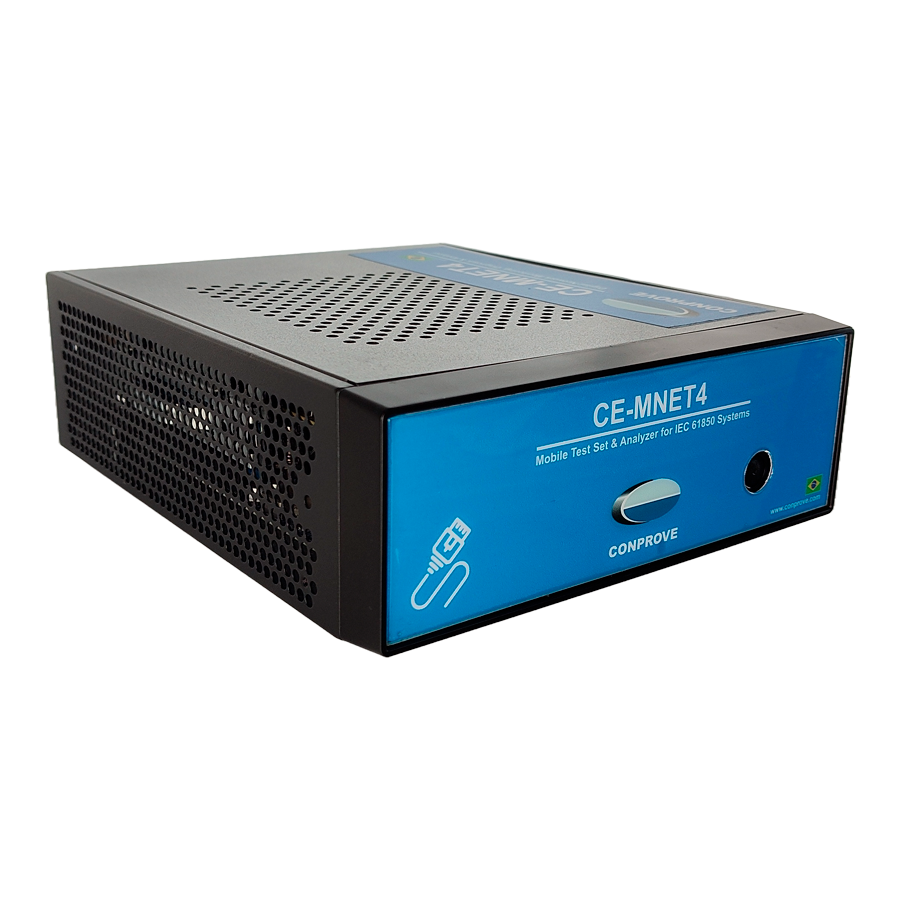
- This signal is distributed to the test setup equipment (Conprove test set + CE‑TW1).
- The outputs generated by the equipment are summed.
- The sum of the outputs is then injected into the IED under test.
The great differentiator here is that the IED receives the complete signal, with the temporal richness that the TW algorithm needs to operate correctly.
What the CE‑TW1 Enables in Testing (In Practice)
With the CE‑TW1 integrated into the Conprove ecosystem, the test gains:
- Temporal Fidelity (essential for TW)
- Scenario Repeatability (fundamental for acceptance and comparison)
- Application Versatility, supporting single or multi-terminal methodologies
- Reduced Operational Complexity: the methodology does not depend on manual “fine-tuning” for each scenario
- Greater Safety for validating TW functions in protection relays and disturbance recorders
This combination makes the process more robust for protection engineering, commissioning, and performance validation.
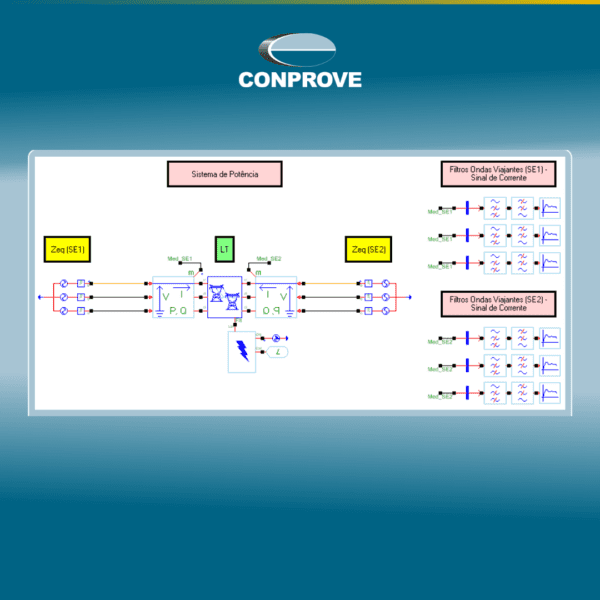
Integration with PS Simul: Deep Transient Simulation
To create and explore electromagnetic transient scenarios, Conprove offers PS Simul, software dedicated to:
- Power system modeling
- Electromagnetic transient simulation
- Waveform generation for different faults and operating conditions
This allows for building more comprehensive tests with realistic and controlled scenarios, raising the level of confidence in the final test result.
🔗 Discover PS Simul:
Official Links & Complementary Content
🌐 Conprove: https://conprove.com/
🔍 CE‑TW1:https://conprove.com/en/products/12-1-ce-tw1-traveling-waves/
🎥 Video (Methodology):https://youtu.be/qi1nv4FHXEY
💬 Telegram Group: https://t.me/joinchat/ibw_xNveZEwwZGYx
Conclusion
The methodology based on the Superposition Theorem, applied with the CE‑TW1 and the test set, delivers a consistent technical path to test Traveling Waves with high fidelity, repeatability, and safety. This strengthens commissioning, reduces the risk of discrepancies between lab and field, and accelerates the validation of ultra-high-speed protection in modern systems.